Storage Unit Sizes: Complete Guide to Finding the Right Fit |
| STORAGE UNITS SIZE
⏱ 13 min read ·
📄 #2,594 words
Storage units range from 5x5 (25 sq ft) to 10x30 (300 sq ft). Learn exactly what fits in each size, compare dimensions, and find your perfect unit.
|
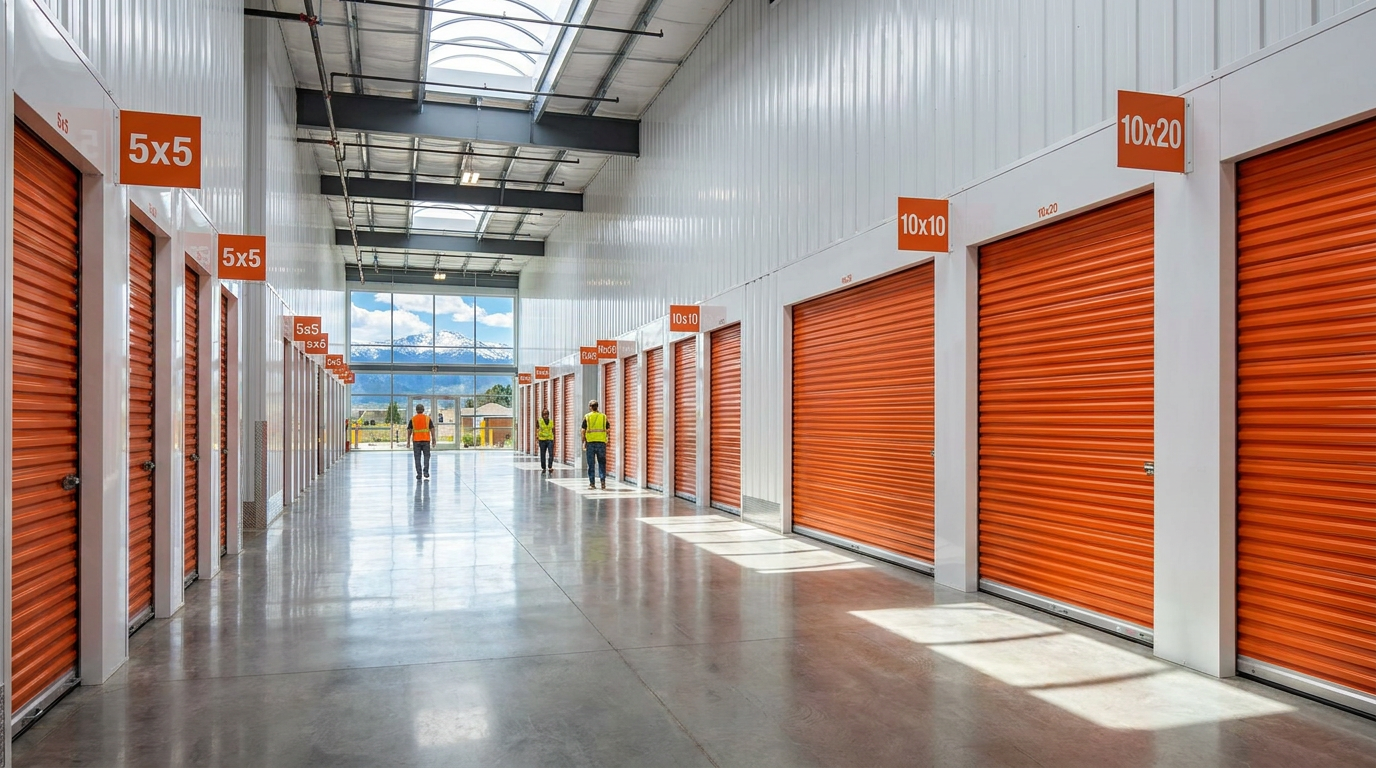
S torage units range from 25 square feet (5x5) to 300 square feet (10x30), with the most popular sizes being 5x10, 10x10, and 10x20. A 5x10 unit holds one room of furniture, a 10x10 fits a one-bedroom apartment, and a 10x20 accommodates a three-bedroom home or standard vehicle.
| Key Points: | |
|---|---|
| • | Small units (5x5 to 5x10) cost $50 to $100 per month and hold seasonal items or one room of furniture |
| • | Medium units (10x10 to 10x15) range from $100 to $200 monthly and fit one to two bedroom apartments |
| • | Large units (10x20 to 10x30) run $150 to $300 per month and store vehicles, boats, or entire homes |
| • | Climate-controlled units add 25% to 50% to base pricing but protect temperature-sensitive items |
| • | Standard ceiling heights are 8 feet; always stack vertically to maximize usable space |
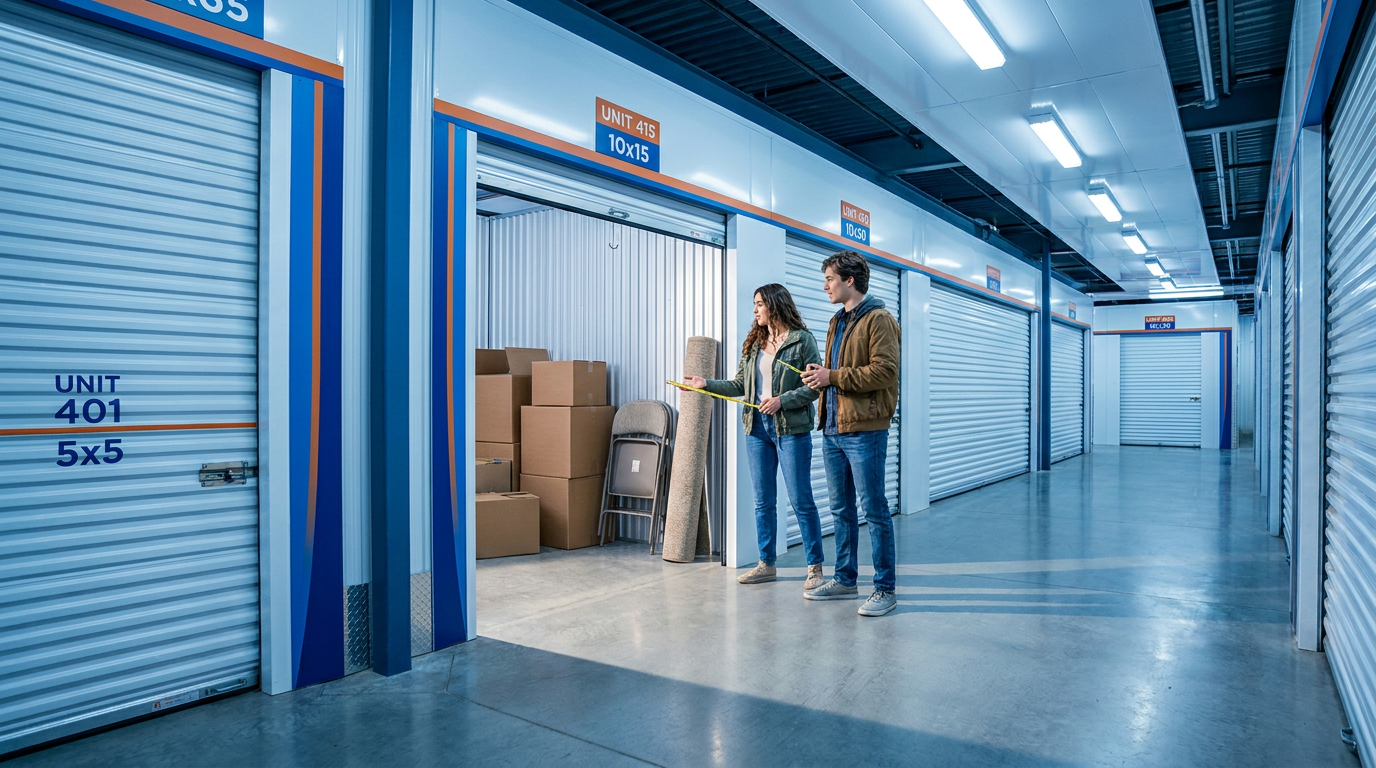
Storage Unit Size Chart: Quick Reference
According to the Self Storage Association, the average American renter uses a 10x10 unit, which represents roughly 38% of all rentals nationwide. Understanding exact dimensions helps you avoid paying for unused space or cramming belongings into a unit that is too small.
| Unit Size | Square Feet | Comparable To | Best For |
|---|---|---|---|
| 5x5 | 25 sq ft | Small closet | Boxes, seasonal decor, small furniture |
| 5x10 | 50 sq ft | Walk-in closet | Studio apartment, mattress set, dresser |
| 10x10 | 100 sq ft | Half of one-car garage | One-bedroom apartment contents |
| 10x15 | 150 sq ft | Large bedroom | Two-bedroom home, appliances |
| 10x20 | 200 sq ft | One-car garage | Three-bedroom home, vehicles |
| 10x25 | 250 sq ft | Large garage | Four-bedroom home, boats, RVs |
| 10x30 | 300 sq ft | Two-car garage | Large homes, commercial inventory, multiple vehicles |
Note that advertised dimensions represent interior wall-to-wall measurements. Actual usable space may be 3% to 5% smaller due to wall thickness and door swing clearance. Always verify dimensions during a facility tour before signing a lease.
How Big Is a 10x10 Storage Unit?
A 10x10 storage unit provides 100 square feet of floor space with an 8-foot ceiling, totaling 800 cubic feet of storage volume. This size equals half of a standard one-car garage or approximately the footprint of a small bedroom. According to Extra Space Storage, the 10x10 remains the most commonly rented unit size in the United States.
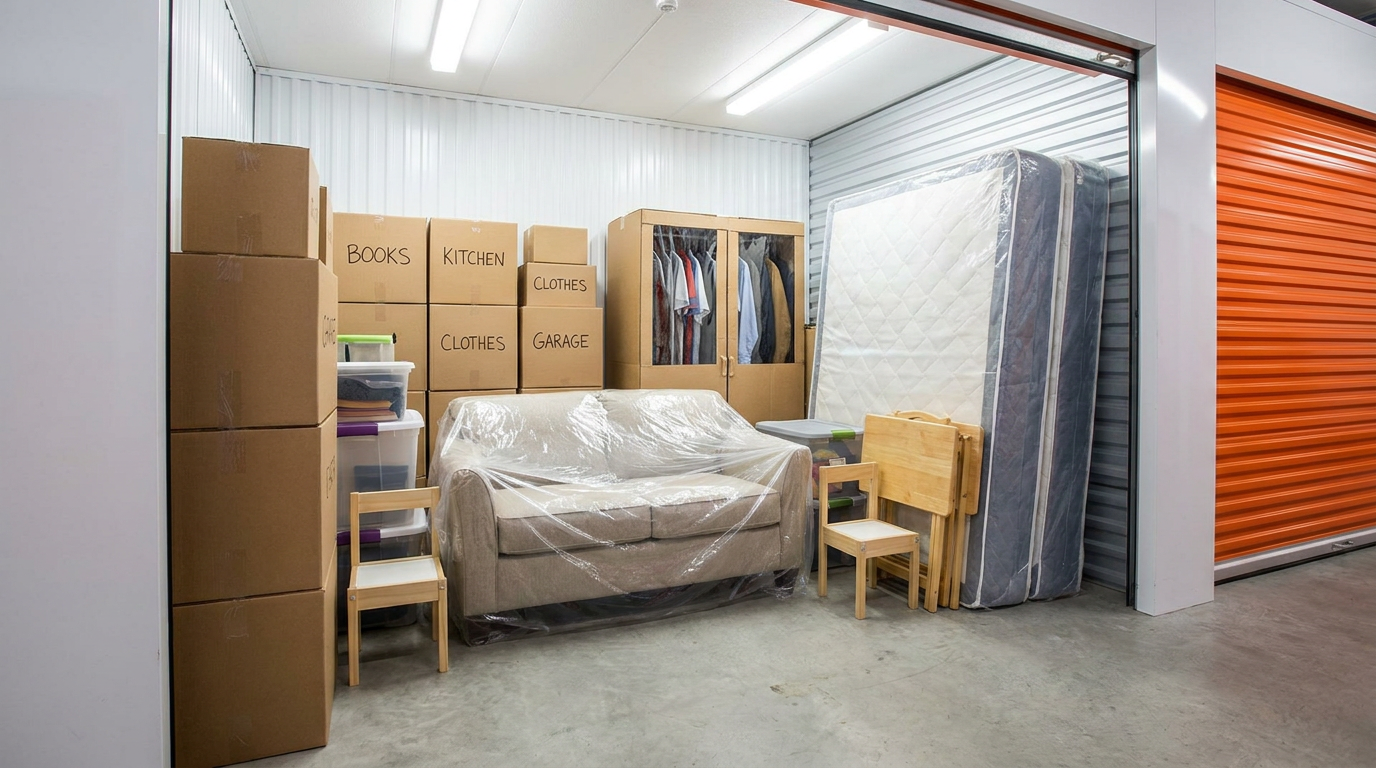
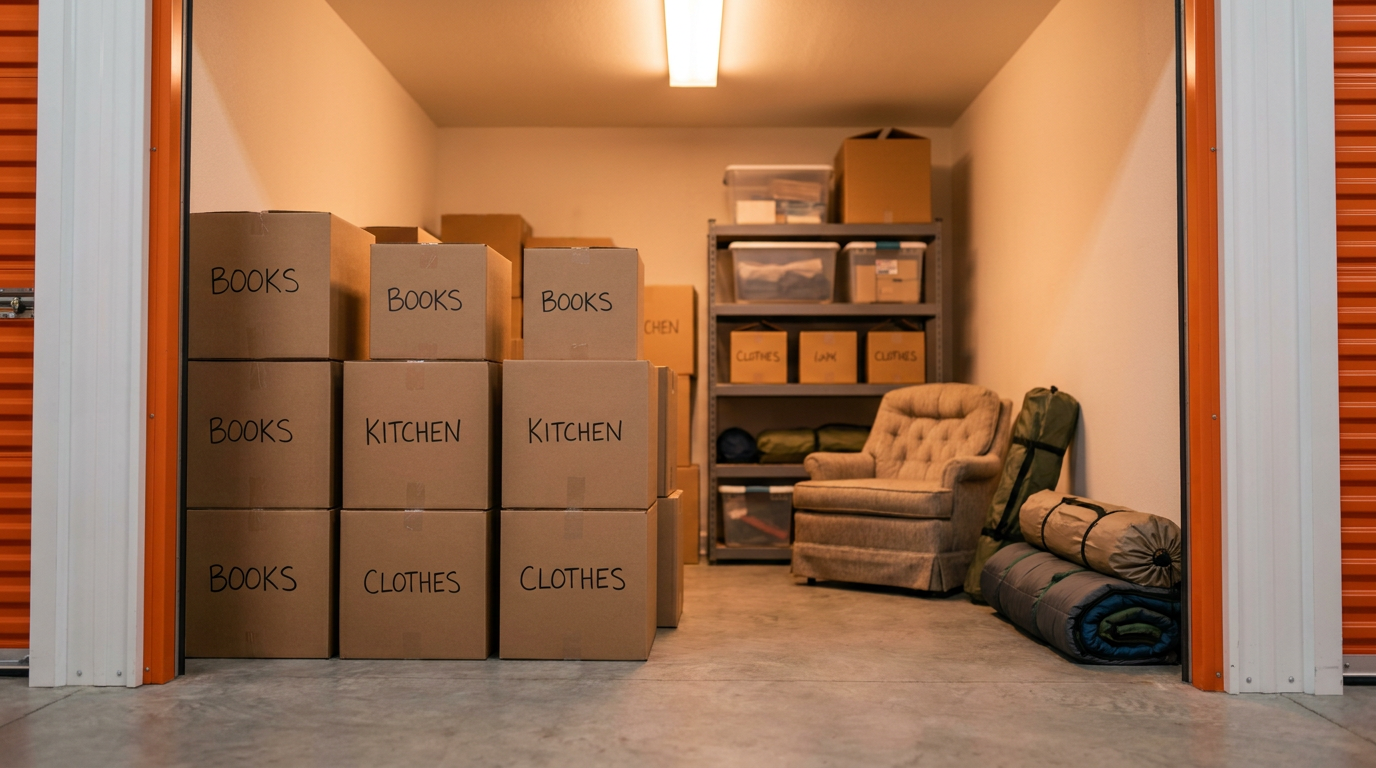
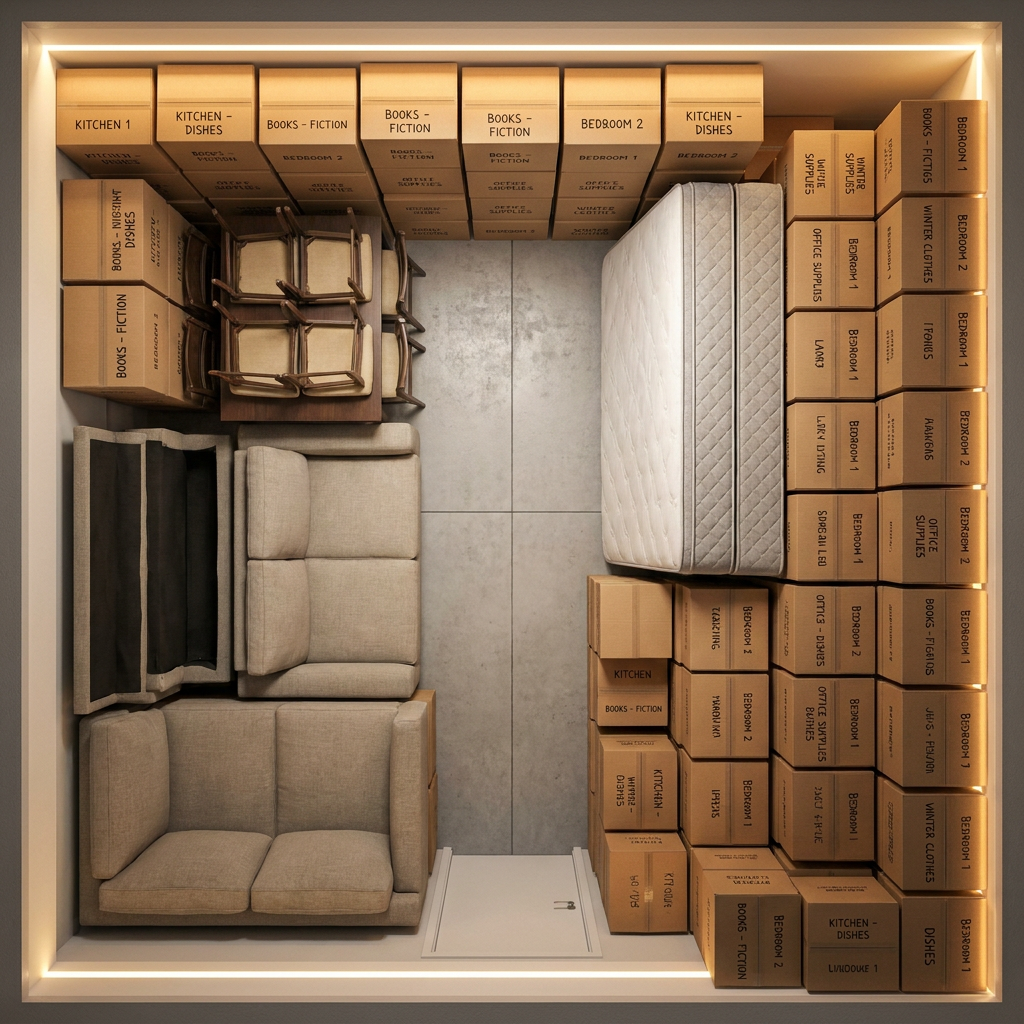
A 10x10 unit typically holds the contents of a one-bedroom apartment: a queen bed frame and mattress, a dresser, a small sofa, a dining table with four chairs, 10 to 15 medium boxes, and miscellaneous items. When stacked efficiently using shelving, you can increase effective capacity by 40% to 60%.
Are 10x10 Storage Units Actually 10x10?
Most 10x10 units measure between 9 feet 6 inches and 10 feet 2 inches in each direction. Industry standards allow for minor variations due to construction tolerances and interior wall materials. Concrete block walls reduce interior dimensions by 2 to 4 inches per wall compared to metal panel construction.
Request exact interior measurements before renting, especially if you need to fit specific furniture pieces. Reputable facilities like Slate River Storage provide precise unit dimensions and can recommend the right size based on your inventory list.
Small Storage Units: 5x5 and 5x10
Small units between 25 and 50 square feet serve renters with limited storage needs. These sizes work well for college students, seasonal item storage, or business document archiving. Monthly costs typically range from $50 to $100 depending on location and climate control features.
5x5 Storage Unit (25 Square Feet)
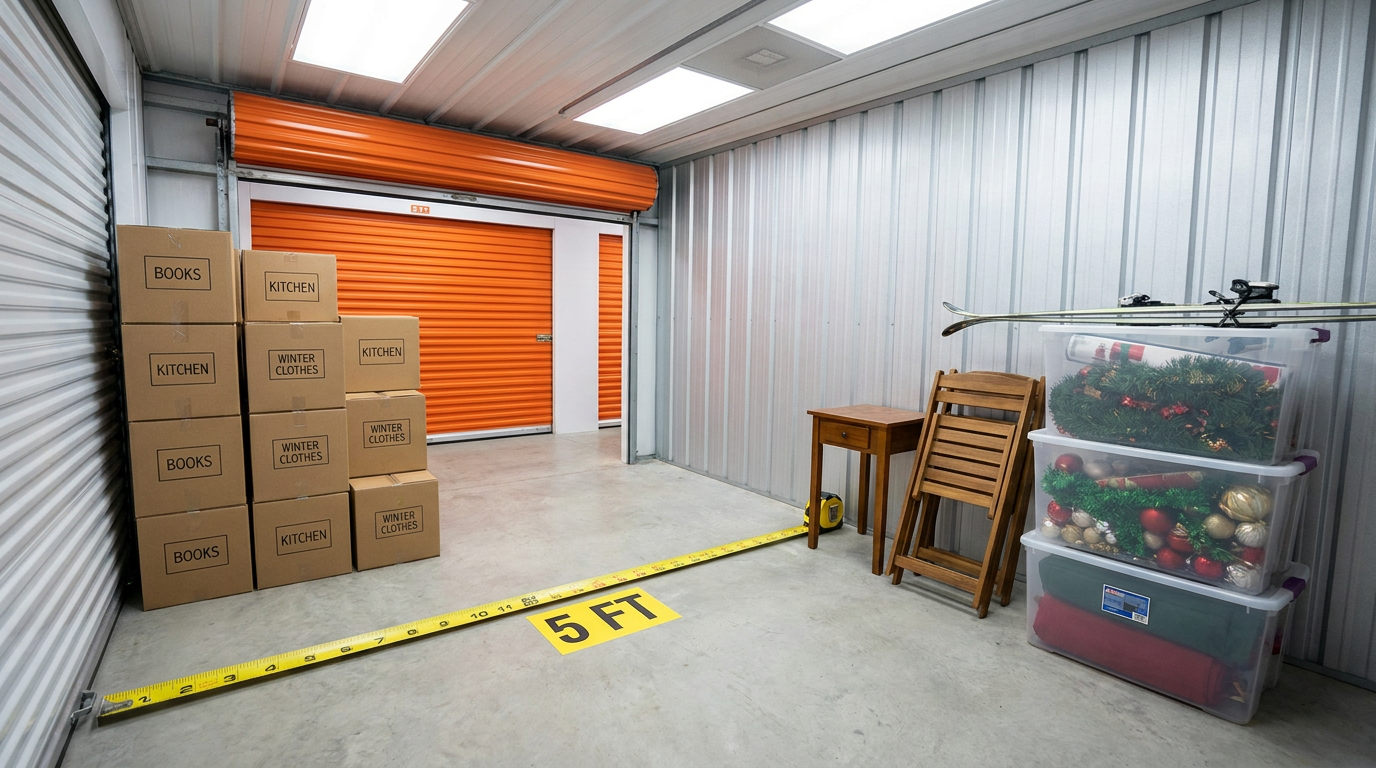
A 5x5 unit matches the size of a small walk-in closet. This compact space holds 10 to 12 small boxes, a set of golf clubs, holiday decorations, and small furniture like end tables or office chairs. It works well for storing off-season clothing, sports equipment, or childhood memorabilia.
The 5x5 size is ideal for apartment dwellers who need overflow storage without major expense. College students frequently use this size during summer breaks to store dorm furniture, textbooks, and personal items for three to four months.
5x10 Storage Unit (50 Square Feet)
A 5x10 unit doubles the capacity of a 5x5 while maintaining a narrow footprint similar to a walk-in closet. This size accommodates a mattress set, small dresser, several boxes, and additional furniture pieces. Studio apartment contents fit comfortably with room to spare.
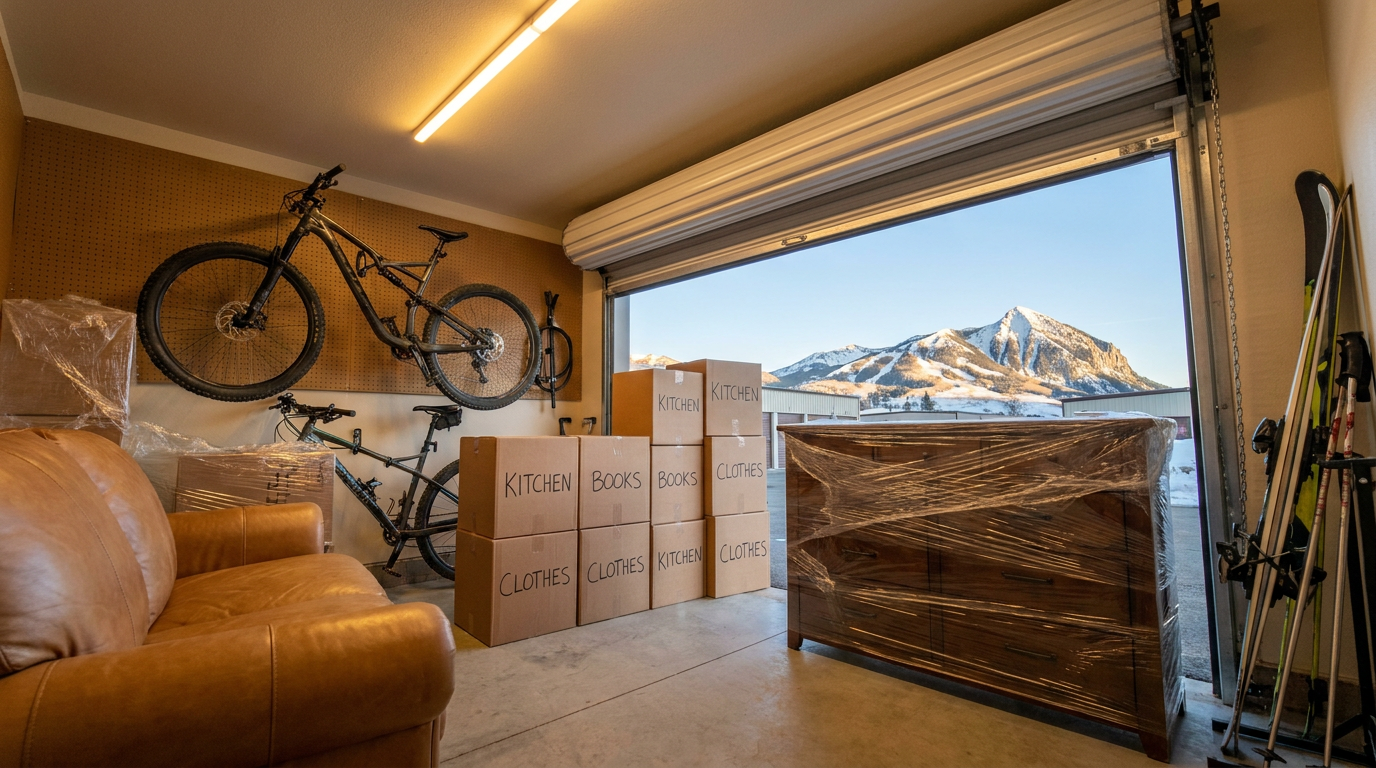
The 5x10 configuration provides excellent value for single-room storage needs. It holds approximately 1.5 rooms of furniture when items are properly stacked and organized. Many renters choose this size for storing seasonal recreational equipment like skis, snowboards, and camping gear.
Medium Storage Units: 10x10 and 10x15
Medium units between 100 and 150 square feet represent the sweet spot for residential storage. These sizes handle apartment moves, home renovations, and growing families who need extra space. Pricing typically falls between $100 and $200 monthly.
10x10 Storage Unit Size and Capacity
The 10x10 unit remains the industry standard for one-bedroom apartment storage. With 800 cubic feet of volume, it accommodates a complete bedroom set, living room furniture, kitchen appliances, and 20 to 30 boxes. This size works for homeowners during renovations lasting two to six months.
Business owners frequently rent 10x10 units for inventory overflow, seasonal merchandise, and equipment storage. The square layout allows flexible organization with shelving along walls and larger items in the center. A 10x10 unit picture shows roughly the same footprint as a standard shipping container cross-section.
10x15 Storage Unit (150 Square Feet)
A 10x15 unit bridges the gap between apartment and house-sized storage. This size holds the contents of a two-bedroom home including a full living room set, bedroom furniture, dining room pieces, and 30 to 40 boxes. The extra 50 square feet over a 10x10 makes a significant difference for families.
The 10x15 size accommodates larger appliances like washers, dryers, and refrigerators alongside furniture. Home stagers and real estate professionals often use this size to store furniture between property showings. It provides enough room to create aisles for accessing items without unpacking everything.
Large Storage Units: 10x20 and Beyond
Large units from 200 to 300 square feet serve whole-house storage, vehicle parking, and commercial inventory needs. These sizes command premium pricing from $150 to $400 monthly but offer substantial value for major storage requirements.
10x20 Storage Unit
A 10x20 unit equals a standard one-car garage and holds the contents of a three-bedroom home. This size accommodates vehicles, motorcycles, and ATVs alongside household goods. Moving families frequently rent 10x20 units during transitions between homes.
The 10x20 configuration fits most sedans, small SUVs, and pickup trucks with room remaining for boxes and small furniture. According to Public Storage, compact cars require a minimum of 10x15, while full-size trucks need at least 10x20 for comfortable clearance.
How Much Will a 20x20 Storage Unit Hold?
A 20x20 storage unit provides 400 square feet, equivalent to a two-car garage. This size holds the contents of a four to five bedroom home or multiple vehicles. With 3,200 cubic feet of volume, it accommodates large furniture collections, business inventory, and recreational vehicles.
Commercial tenants use 20x20 units for contractor equipment, retail inventory, and manufacturing supplies. The expansive floor space allows forklift access in some facilities. Expect monthly costs between $300 and $500 depending on location and amenities.
What Can Fit in a 20x20 Storage Unit?
A 20x20 unit holds two vehicles plus household goods, or the complete contents of a large family home. Specific capacity includes: two full bedroom sets, a complete living room, dining room furniture, kitchen appliances, 50 to 75 boxes, outdoor furniture, and recreational equipment.
Business applications include storing 15 to 20 pallets of inventory, landscaping equipment fleets, or contractor tool collections. The 20x20 size works well for estate storage when settling family properties or consolidating multiple households.
Vehicle and RV Storage Sizes
Vehicle storage requires specific dimensions based on vehicle length, height, and access requirements. Standard parking spaces measure 9x18 feet, but enclosed storage units need additional clearance for doors and maneuvering.
| Vehicle Type | Typical Length | Minimum Unit Size | Recommended Size |
|---|---|---|---|
| Compact car | 14-16 feet | 10x15 | 10x20 |
| Full-size sedan | 16-18 feet | 10x20 | 10x25 |
| SUV/Truck | 17-20 feet | 10x20 | 10x25 |
| Boat with trailer | 20-28 feet | 10x25 | 10x30 |
| Class C RV | 20-30 feet | 12x30 | 12x35 |
| Class A RV | 30-45 feet | 12x40 | 15x45 |
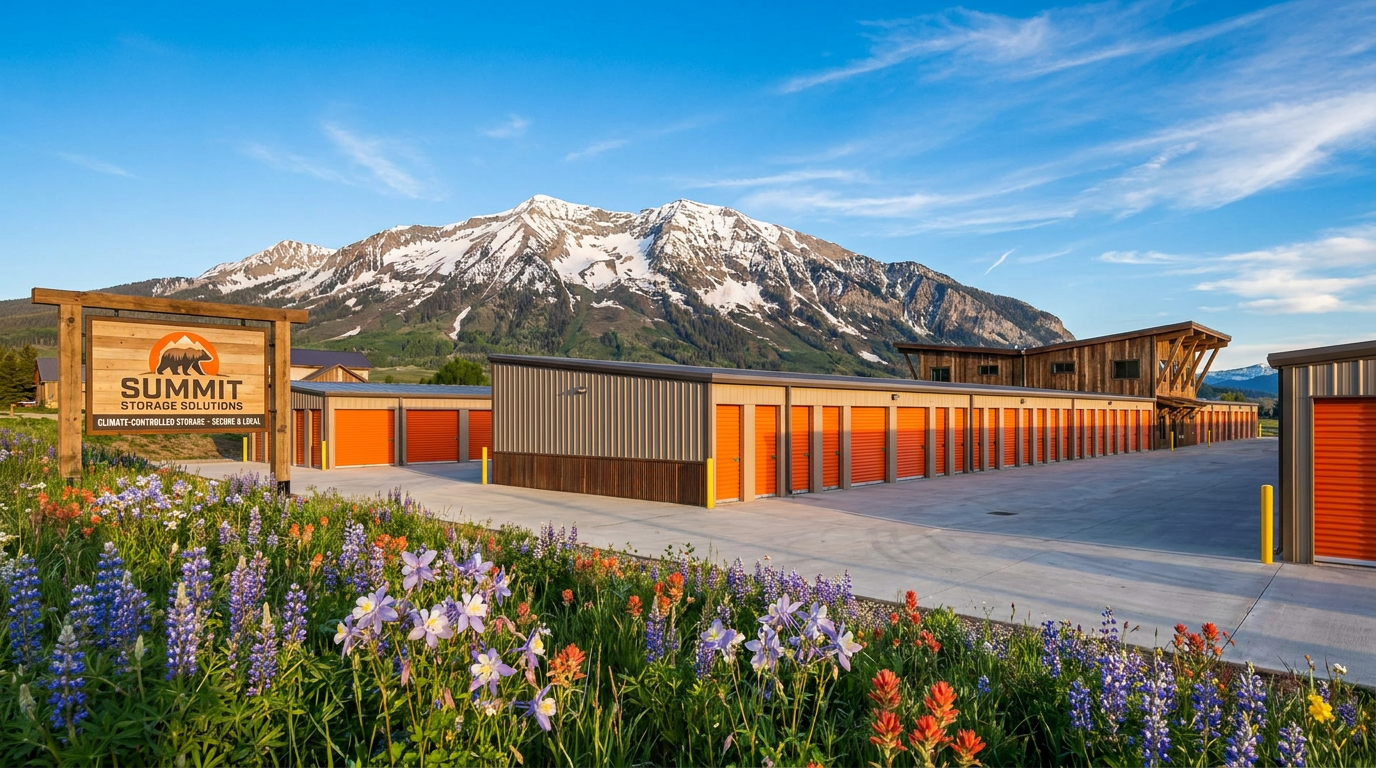
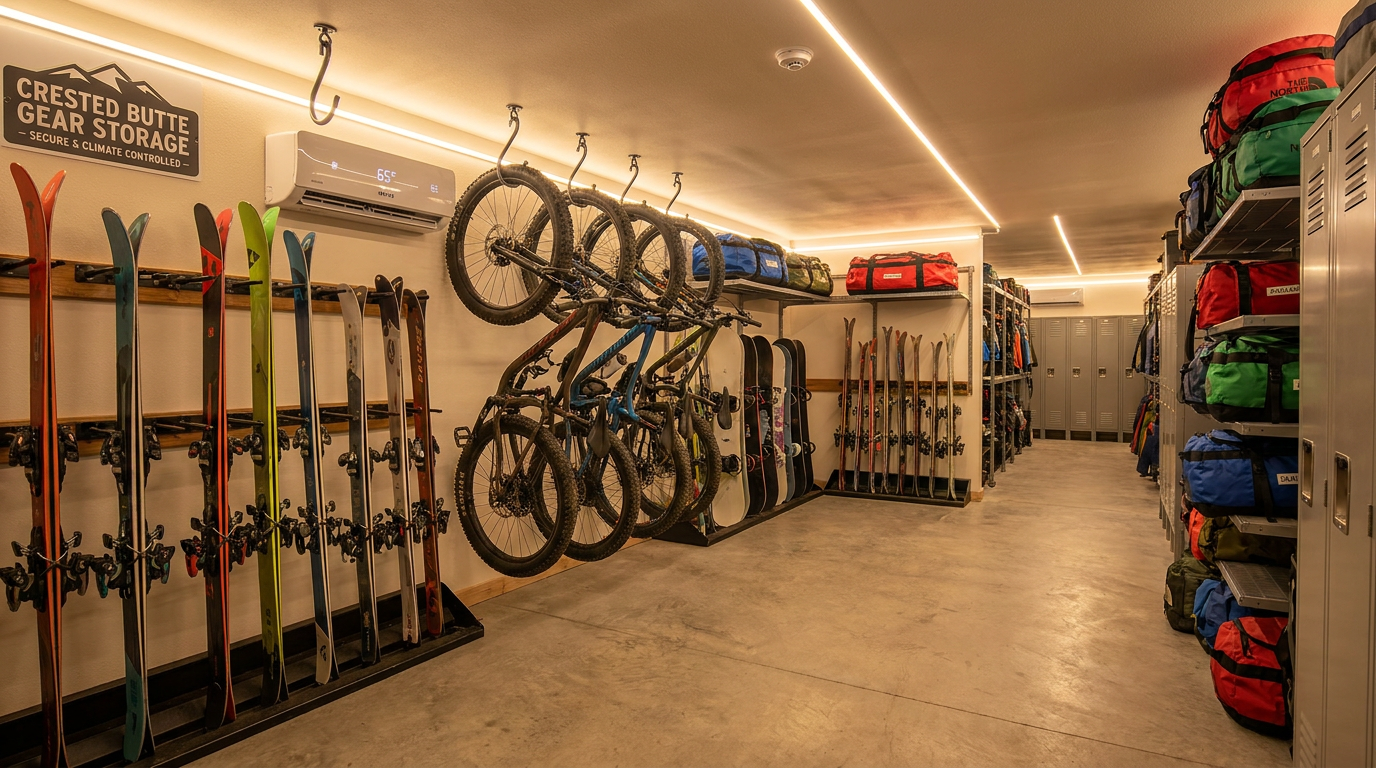
In mountain communities like Crested Butte, Colorado, climate-controlled vehicle storage protects against temperature extremes ranging from negative 20 degrees Fahrenheit to 90 degrees Fahrenheit. Heated units prevent battery damage, fluid freezing, and interior cracking that occurs in unprotected outdoor storage.
Climate-Controlled vs. Standard Units
Climate-controlled units maintain temperatures between 55 and 80 degrees Fahrenheit year-round, protecting sensitive items from extreme heat, cold, and humidity fluctuations. Standard units offer no temperature regulation and experience ambient conditions that vary with outdoor weather.
Climate control adds 25% to 50% to monthly rental costs but prevents damage to electronics, wooden furniture, photographs, documents, wine, musical instruments, and artwork. The U-Haul storage guide recommends climate control for any storage period exceeding six months.
When to Choose Climate Control
Select climate-controlled storage when storing: leather furniture, wooden antiques, electronics, vinyl records, photographs, important documents, wine collections, musical instruments, or any items sensitive to temperature swings. Items stored longer than three months benefit significantly from stable conditions.
In regions with extreme weather, climate control becomes essential rather than optional. Colorado mountain towns experience temperature swings of 50 degrees or more between day and night during shoulder seasons. Facilities like Slate River Storage offer heated units that maintain consistent temperatures even when outdoor conditions drop below zero.
How to Calculate Your Storage Needs
Accurate size estimation prevents paying for unused space or struggling with an undersized unit. Follow this systematic approach to determine your ideal storage unit size based on actual inventory.
Step 1: Create an Inventory List
Document every item you plan to store, grouping by room or category. Note large items separately: beds, sofas, appliances, and furniture pieces. Count boxes by size (small, medium, large) and estimate quantities for items not yet packed.
Step 2: Use the Room-Based Formula
Apply this general guideline: one room of furniture requires approximately 50 square feet of storage. A studio apartment needs a 5x10, a one-bedroom needs a 10x10, a two-bedroom needs a 10x15, and a three-bedroom needs a 10x20. Add 25% for boxes and miscellaneous items.
Step 3: Account for Access Needs
If you need regular access to stored items, rent one size larger than minimum requirements. This allows aisle space for reaching items without complete reorganization. Business storage with frequent inventory rotation requires 30% to 40% extra space for operational efficiency.
Visit our storage unit size guide for an interactive calculator that recommends unit sizes based on your specific inventory. The tool accounts for furniture dimensions, box counts, and stacking potential.
Storage Unit Pricing by Size
Storage costs vary significantly by geographic location, with urban areas commanding 40% to 60% higher prices than rural markets. According to industry data from SpareFoot, national average monthly rates in 2025 range from $90 for a 5x10 to $290 for a 10x30.
| Unit Size | National Average | Urban Markets | Rural Markets |
|---|---|---|---|
| 5x5 | $60/month | $80-120 | $40-60 |
| 5x10 | $90/month | $120-180 | $60-90 |
| 10x10 | $130/month | $180-280 | $90-130 |
| 10x15 | $170/month | $220-350 | $120-170 |
| 10x20 | $210/month | $280-420 | $150-210 |
| 10x30 | $290/month | $380-550 | $200-290 |
Climate-controlled units add $20 to $100 monthly depending on size. First-month discounts of 50% to 100% are common for new renters. Month-to-month leases offer flexibility but may cost 10% to 15% more than annual commitments.
Business Storage Size Requirements
Commercial tenants have distinct storage needs compared to residential renters. Inventory turnover, equipment access, and seasonal fluctuations require different sizing calculations. Businesses typically need 20% to 30% more space than equivalent residential storage for operational efficiency.
Retail businesses storing seasonal inventory should calculate peak storage needs rather than average requirements. A ski shop in Crested Butte might need a 10x20 unit during summer months to store winter inventory, then scale down to a 10x10 during ski season. Flexible month-to-month leasing accommodates these fluctuations without long-term commitments.
Contractors and tradespeople benefit from drive-up units that allow vehicle loading and unloading. A 10x15 or 10x20 unit with ground-level access stores tools, materials, and equipment while enabling daily retrieval. Learn more about business storage solutions designed for commercial tenants.
Maximizing Your Storage Space
Efficient packing techniques increase effective storage capacity by 30% to 50% without upgrading to a larger unit. Professional organizers and moving companies use these strategies to optimize every cubic foot.
Vertical Stacking Strategy
Stack boxes and furniture to ceiling height using the heaviest items on bottom. Place mattresses and sofas vertically against walls. Use uniform box sizes when possible to create stable stacking columns. Standard 8-foot ceilings provide significant vertical space that many renters underutilize.
Disassemble Large Items
Remove legs from tables, disassemble bed frames, and separate sectional sofas. Store hardware in labeled bags taped to corresponding furniture pieces. Disassembly reduces footprint by 20% to 40% for most furniture items and prevents damage during storage.
Create Access Aisles
Leave a 2-foot aisle down the center or along one wall for accessing items without complete reorganization. Place frequently needed items near the front. Create a simple map of item locations and keep it with your rental documents.
Frequently Asked Questions
What sizes do storage units come in?
Storage units range from 5x5 (25 square feet) to 10x30 (300 square feet) at most facilities. Common sizes include 5x5, 5x10, 10x10, 10x15, 10x20, and 10x30. Some facilities offer specialty sizes like 6x10, 8x10, or larger commercial units up to 20x40. Ceiling heights typically measure 8 to 10 feet.
How do I know what size storage unit I need?
Calculate storage needs using the room-based formula: one room of furniture equals approximately 50 square feet. A studio apartment fits in a 5x10, a one-bedroom in a 10x10, a two-bedroom in a 10x15, and a three-bedroom in a 10x20. Add 25% for boxes and miscellaneous items, plus extra space if you need regular access.
Is a 5x10 the same as a 10x5 storage unit?
A 5x10 and 10x5 provide identical square footage (50 square feet) but different configurations. A 5x10 is narrow and deep, while a 10x5 is wide and shallow. The 5x10 layout works better for long items like sofas and mattresses. The 10x5 offers easier access to all items but limits what fits lengthwise.
What fits in a 10x10 storage unit?
A 10x10 unit holds the contents of a one-bedroom apartment: a queen bed with mattress, dresser, nightstands, small sofa, coffee table, dining table with chairs, 15 to 20 medium boxes, and miscellaneous items. With efficient stacking, capacity increases to accommodate a two-bedroom apartment.
Choosing the Right Storage Facility
Beyond unit size, facility features significantly impact storage experience and item protection. Evaluate security systems, access hours, climate control options, and customer service before committing to a rental agreement.
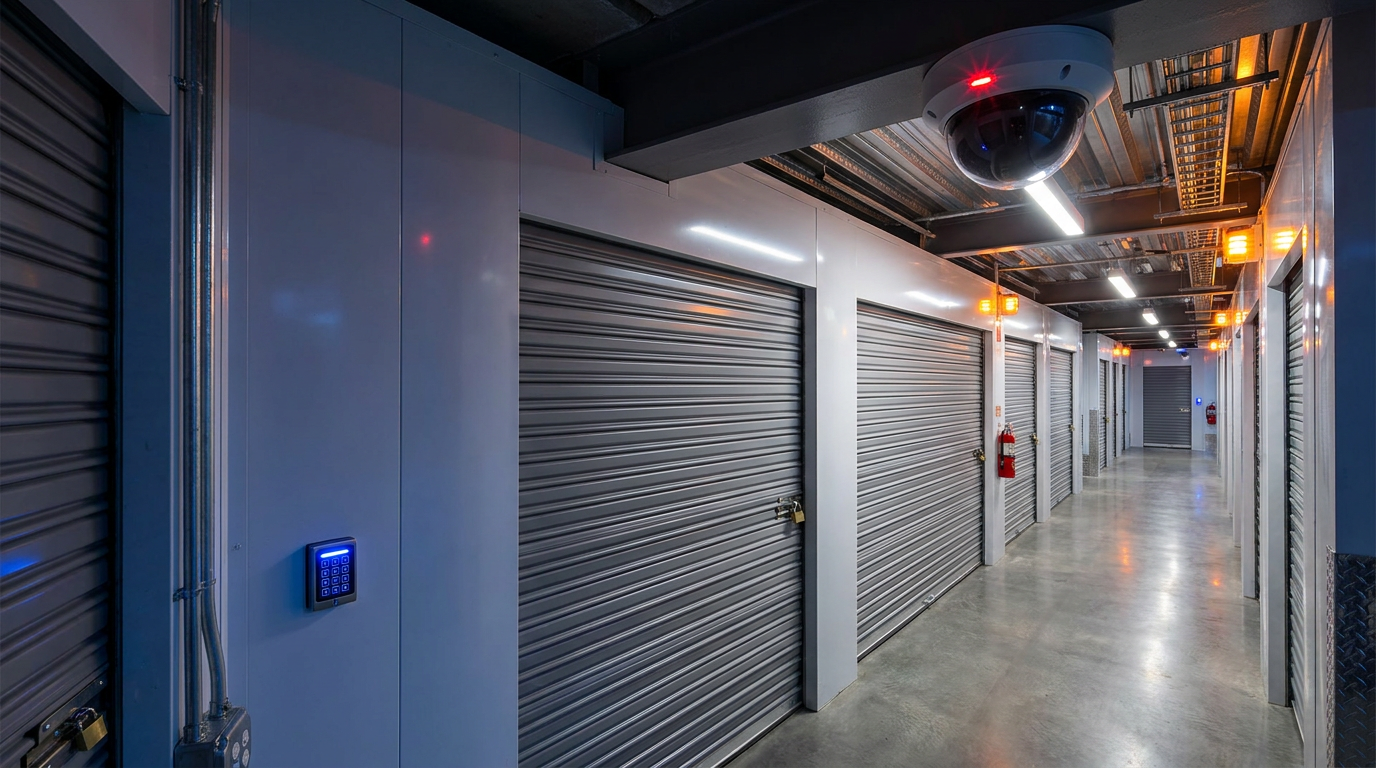
Look for facilities with digital video surveillance, LED lighting, and electronic access control. Drive-up units eliminate hallway navigation and elevator waits, making loading and unloading faster. Month-to-month leasing provides flexibility to upsize or downsize as needs change.
Locally owned facilities often provide more personalized service than national chains. Staff who know the community understand local storage needs, whether protecting ski equipment from harsh winters or storing vacation rental furniture during off-seasons. Check our frequently asked questions for answers to common storage concerns.
Consider tenant protection plans that cover theft, fire, and water damage. Most renters insurance policies exclude items in storage facilities, leaving belongings unprotected without additional coverage. Protection plans typically cost $10 to $30 monthly depending on coverage limits.
|