Where to Store Skis, Bikes, and Outdoor Gear in Crested Butte |
| WHERE TO STORE SKIS, BIKES, AND OUTDOOR GEAR IN CRESTED BUTTE
⏱ 11 min read ·
📄 #2,193 words
Find the best storage options for skis, bikes, and outdoor gear in Crested Butte. Compare heated units, sizes, and costs for year-round gear protection.
|
T he best place to store skis, bikes, and outdoor gear in Crested Butte is a heated self-storage unit with 24/7 access, located within 10 minutes of downtown. Climate-controlled units maintain temperatures between 50 and 70 degrees Fahrenheit, preventing damage from the town's extreme winter conditions that regularly drop to negative 20 degrees.
| Key Points: | |
|---|---|
| • | Heated storage units cost $244 to $813 per month in Crested Butte, depending on size (6x10 to 10x25) |
| • | Climate control protects ski bases, bike frames, and electronics from temperature swings of 100+ degrees annually |
| • | Drive-up units allow direct vehicle access for loading heavy gear like fat bikes and ski racks |
| • | Month-to-month leases provide flexibility for seasonal residents and vacation homeowners |
| • | A 5x10 unit fits 4 to 6 pairs of skis, 2 bikes, and seasonal accessories |
Why Crested Butte Gear Requires Specialized Storage
Crested Butte sits at 8,909 feet elevation in the Gunnison Valley, creating storage challenges that coastal or low-altitude locations never face. Winter temperatures routinely hit negative 20 degrees Fahrenheit, while summer highs reach 80 degrees. This 100-degree annual temperature swing destroys unprotected outdoor equipment.
According to The Alpineer in Crested Butte, a leading local gear shop, proper storage extends equipment life by 3 to 5 years. Ski bases crack when frozen moisture expands. Bike hydraulic systems fail when brake fluid contracts in extreme cold. Carbon fiber frames develop micro-fractures from repeated freeze-thaw cycles.
The town's dual identity as a ski destination and mountain biking capital means residents own gear for multiple seasons. A typical Crested Butte household has $5,000 to $15,000 worth of outdoor equipment requiring protection. Garages fill quickly, and many condos lack any storage space at all.
Storage Unit Sizes for Different Gear Collections
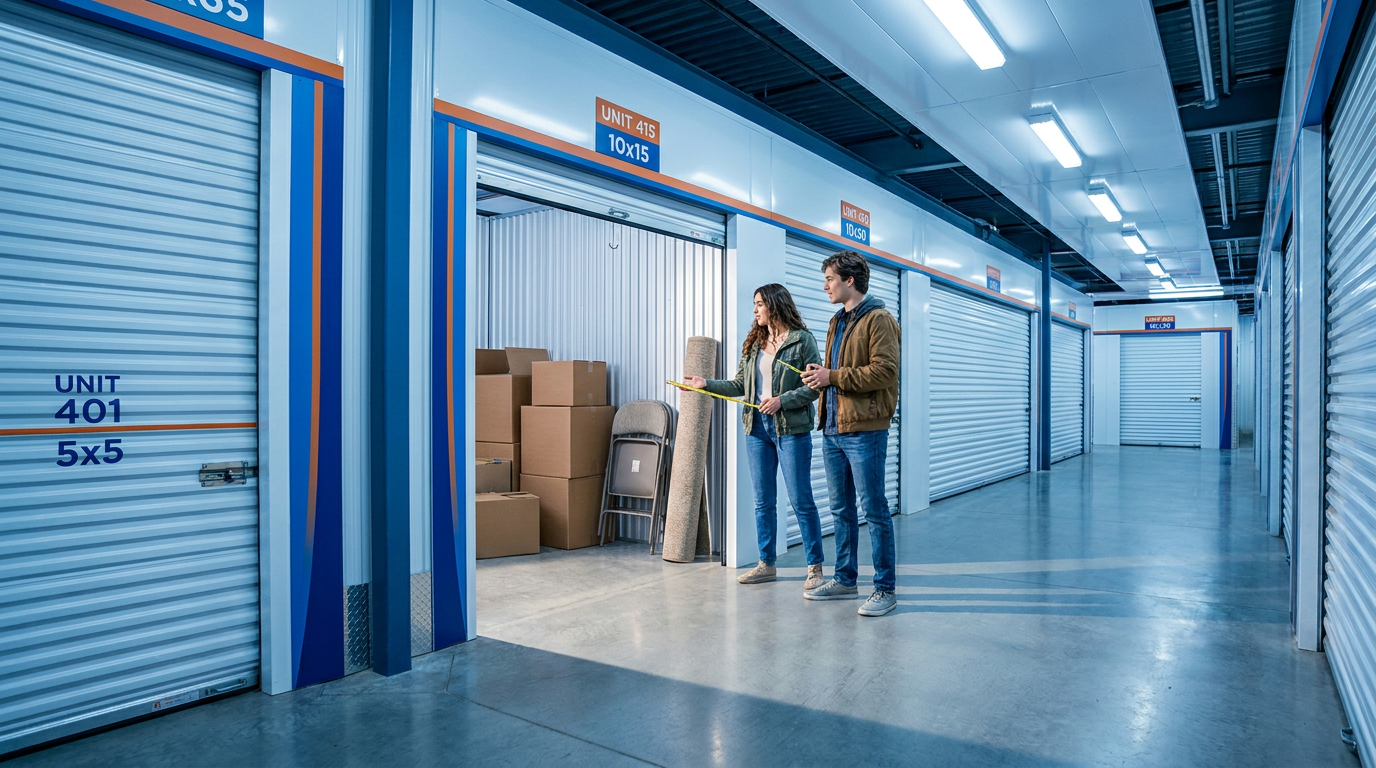
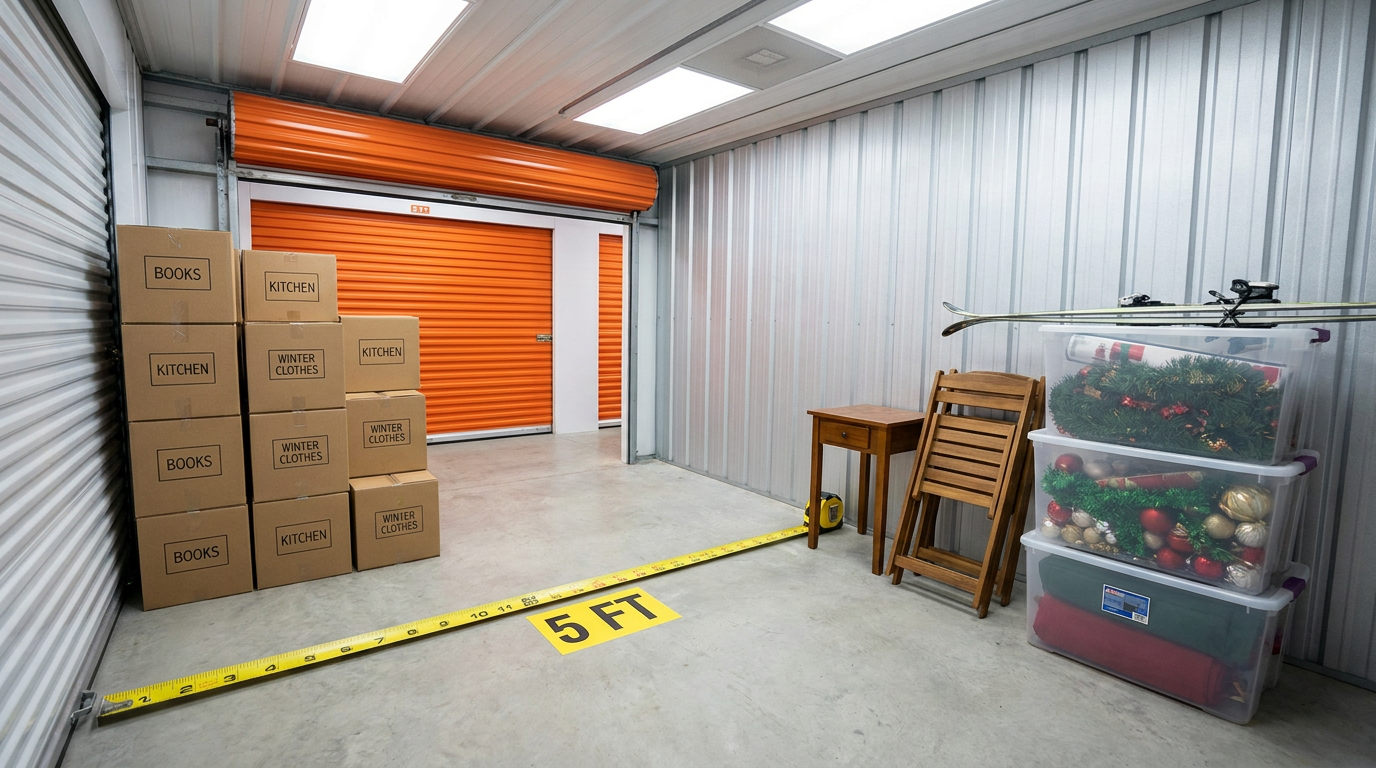
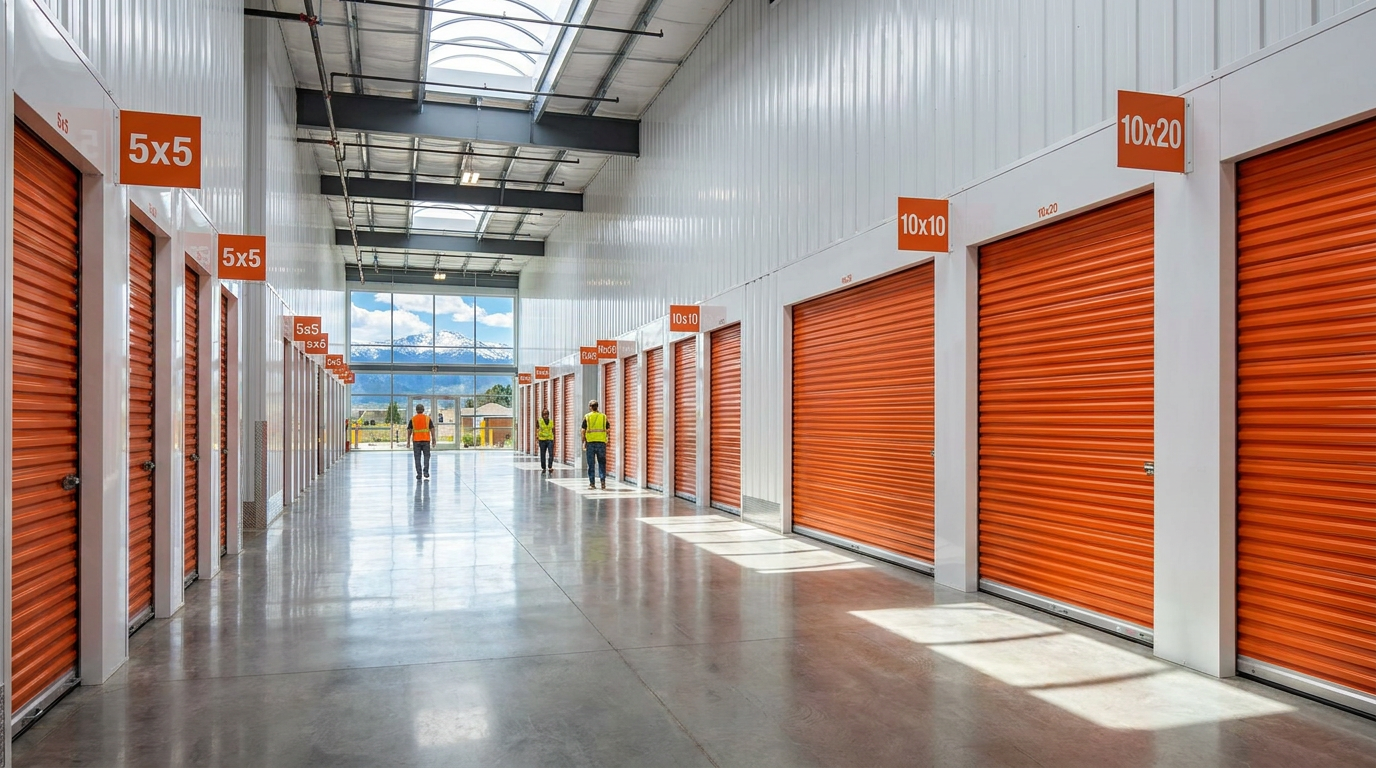
Choosing the right unit size prevents overpaying for unused space while ensuring your gear fits properly. The storage unit size guide at Slate River Storage breaks down options by square footage and typical use cases.
Small Units: 5x5 to 6x10 (25 to 60 Square Feet)
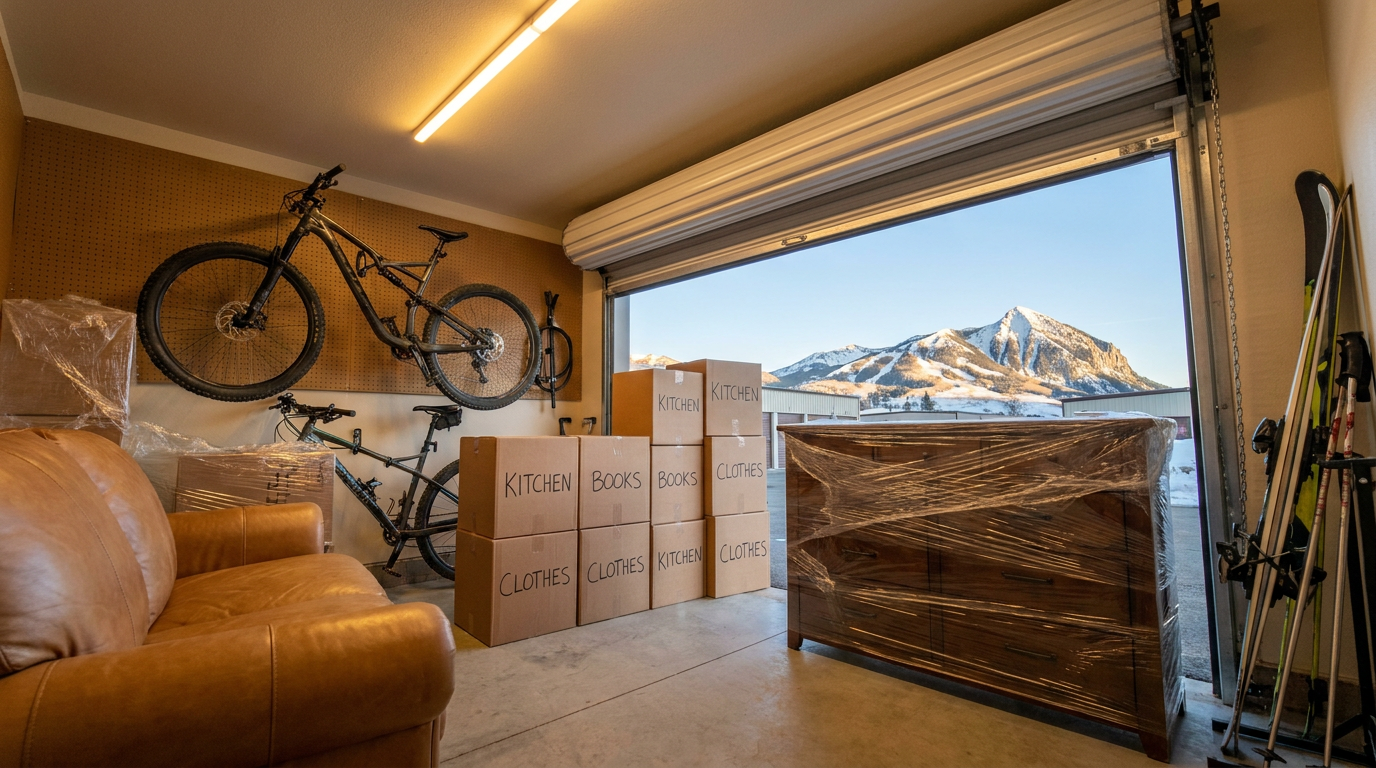
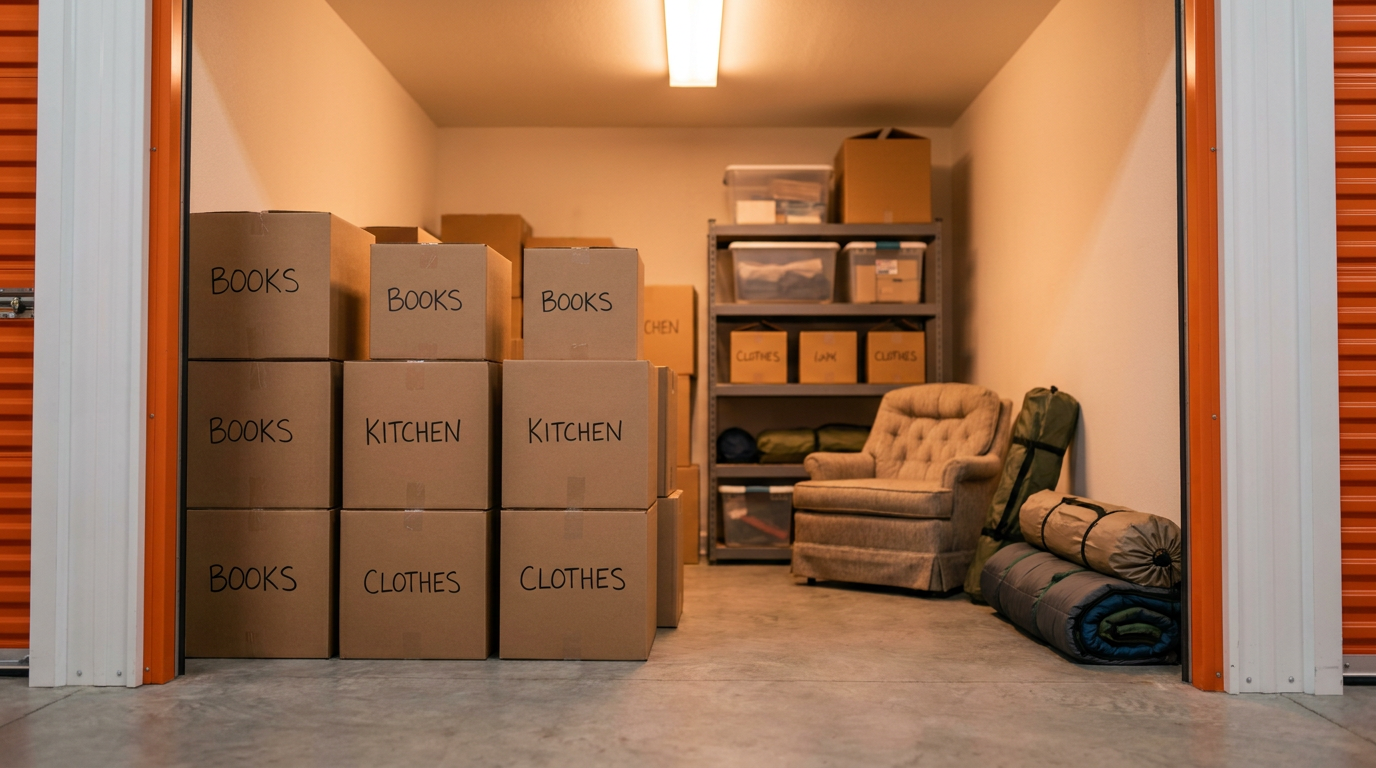
A 5x5 unit holds the equivalent of a small closet. This size works for 2 to 4 pairs of skis stored vertically, one bike hung on wall hooks, and a gear bag with boots and helmets. At $244 per month for a 6x10 unit, this option suits individuals with a single sport focus.
Small units require vertical organization. Wall-mounted ski racks hold 4 pairs in 2 feet of linear space. Ceiling hooks suspend bikes overhead, leaving floor space for bins of accessories. Proper organization doubles effective capacity.
Medium Units: 8x10 to 10x10 (80 to 100 Square Feet)
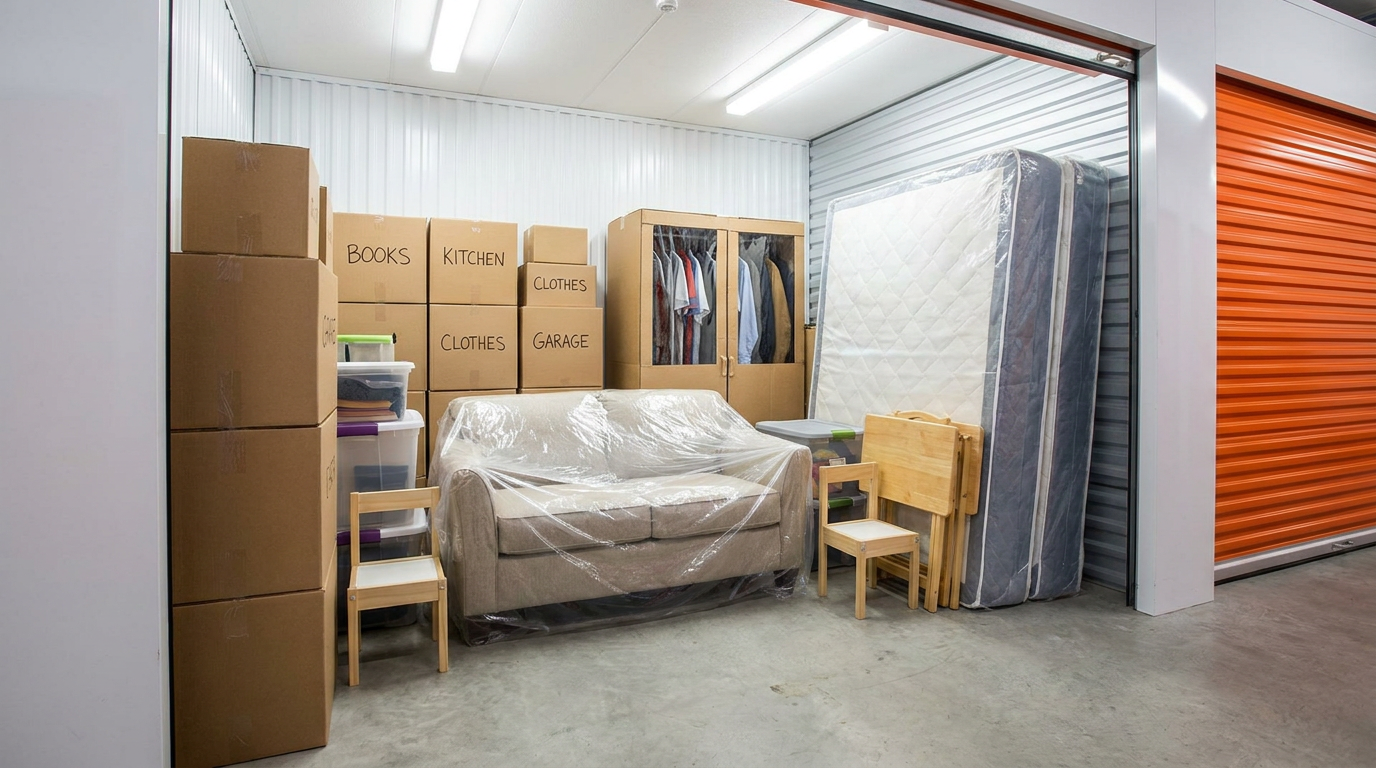
Medium units accommodate multi-sport households. A 10x10 space fits 6 to 10 pairs of skis, 3 to 4 bikes, a kayak or paddleboard, and multiple gear bins. This size also stores seasonal furniture, holiday decorations, and overflow household items alongside outdoor equipment.
Slate River Storage offers 10x10 interior units at $337 to $349 per month, depending on floor level. Ground floor units cost slightly more but eliminate stair navigation with heavy gear. The heated storage facility maintains consistent temperatures that protect delicate components year-round.
Large Units: 10x20 to 10x25 (200 to 250 Square Feet)
Large drive-up units serve families, vacation rental owners, and small businesses. A 10x25 space holds an entire garage worth of equipment: 15+ pairs of skis, 6 to 8 bikes, a motorcycle or ATV, plus shelving for organized accessory storage.
Drive-up access eliminates carrying gear through hallways or up stairs. Pull your vehicle directly to the unit door, unload, and organize without multiple trips. This convenience matters when storing 50-pound fat bikes or bulky ski bags.
Climate Control: Essential for Crested Butte Conditions
Standard unheated storage fails in Crested Butte's climate. The Gunnison Valley experiences some of Colorado's coldest temperatures, with the town holding records for the coldest spot in the continental United States on multiple occasions. Equipment stored without climate control faces guaranteed damage.
What Happens to Gear in Unheated Storage
Ski equipment suffers most from temperature extremes. P-tex bases absorb moisture that freezes and expands, creating cracks that require professional repair costing $75 to $150 per pair. Metal edges rust when condensation forms during temperature swings. Bindings with plastic components become brittle and snap.
Bikes experience similar problems. Hydraulic brake fluid contracts in cold, introducing air bubbles that cause spongy brakes. Suspension seals harden and crack, requiring $200 to $400 fork rebuilds. Dropper posts freeze in place, damaging internal cartridges. Carbon frames develop stress fractures invisible to the naked eye.
Electronics fail fastest in extreme conditions. GPS devices, bike computers, and action cameras contain lithium batteries that permanently lose capacity when frozen. A $500 Garmin Edge stored at negative 20 degrees may never hold a full charge again.
How Heated Storage Protects Your Investment
Climate-controlled units at facilities like Slate River Storage maintain temperatures between 50 and 70 degrees Fahrenheit regardless of outside conditions. This stable environment prevents the freeze-thaw cycles that destroy equipment. Humidity stays below 50 percent, eliminating rust and mold concerns.
The tenant protection plan available at Slate River Storage covers fire, theft, and water damage for stored items. This additional coverage, combined with climate control, provides comprehensive protection for valuable gear collections.
Comparing Crested Butte Storage Options
Several storage facilities serve the Crested Butte area, each with different features and limitations. Understanding the differences helps match your needs to the right provider.
| Feature | Heated Facilities | Unheated Facilities |
|---|---|---|
| Temperature Range | 50 to 70°F year-round | Negative 20°F to 90°F |
| Monthly Cost (10x10) | $337 to $379 | $175 to $250 |
| Gear Damage Risk | Minimal | High (30 to 50% of items affected annually) |
| Best For | Skis, bikes, electronics, carbon fiber | Metal tools, plastic bins, non-sensitive items |
| 24/7 Access | Standard at most facilities | Varies by provider |
The cost difference between heated and unheated storage runs $100 to $150 per month for comparable unit sizes. However, a single equipment repair often exceeds an entire year's premium for climate control. One cracked ski base or frozen dropper post eliminates any savings from cheaper storage.
Organizing Your Storage Unit for Easy Access
Proper organization transforms a cluttered unit into a functional gear room. The goal is accessing any item within 2 minutes, even during a 6 AM powder day when every second counts.
Ski and Snowboard Storage Systems
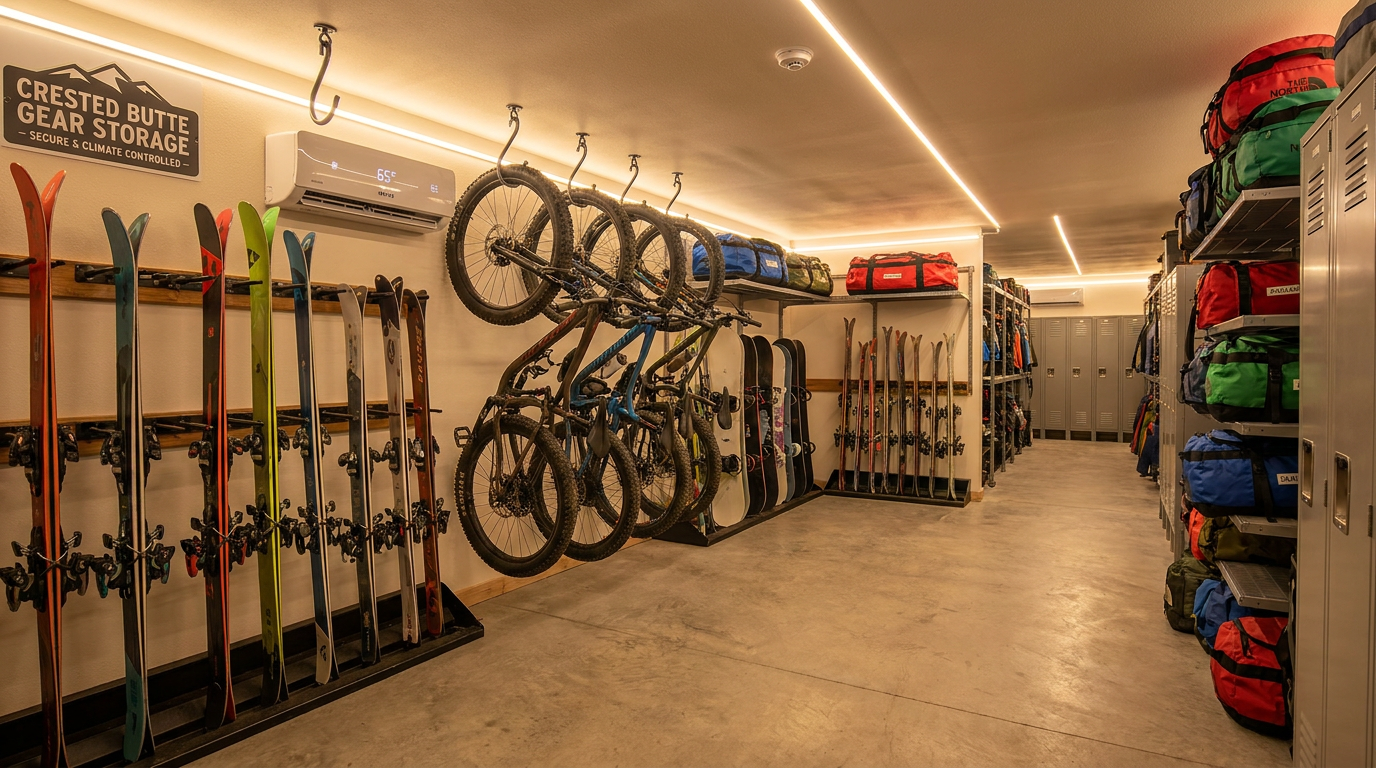
Wall-mounted ski racks hold equipment vertically, protecting bases from scratches and maximizing floor space. A 4-foot rack section holds 8 pairs of skis or 4 snowboards. Position racks at shoulder height for easy loading and unloading without bending.
Store boots separately from skis in breathable bags or on boot dryers. Moisture trapped in liners grows mold within 48 hours in enclosed spaces. Silica gel packets in boot bags absorb residual moisture between uses.
Keep tuning supplies organized on shelving: wax, scrapers, edge tools, and base repair materials. A dedicated tuning station in your storage unit allows quick maintenance without hauling gear home.
Bike Storage Best Practices
Ceiling-mounted pulley systems lift bikes overhead, freeing floor space for other gear. A single bike on a pulley occupies zero floor space while remaining accessible in under 30 seconds. Quality pulley systems cost $30 to $75 and support bikes up to 50 pounds.
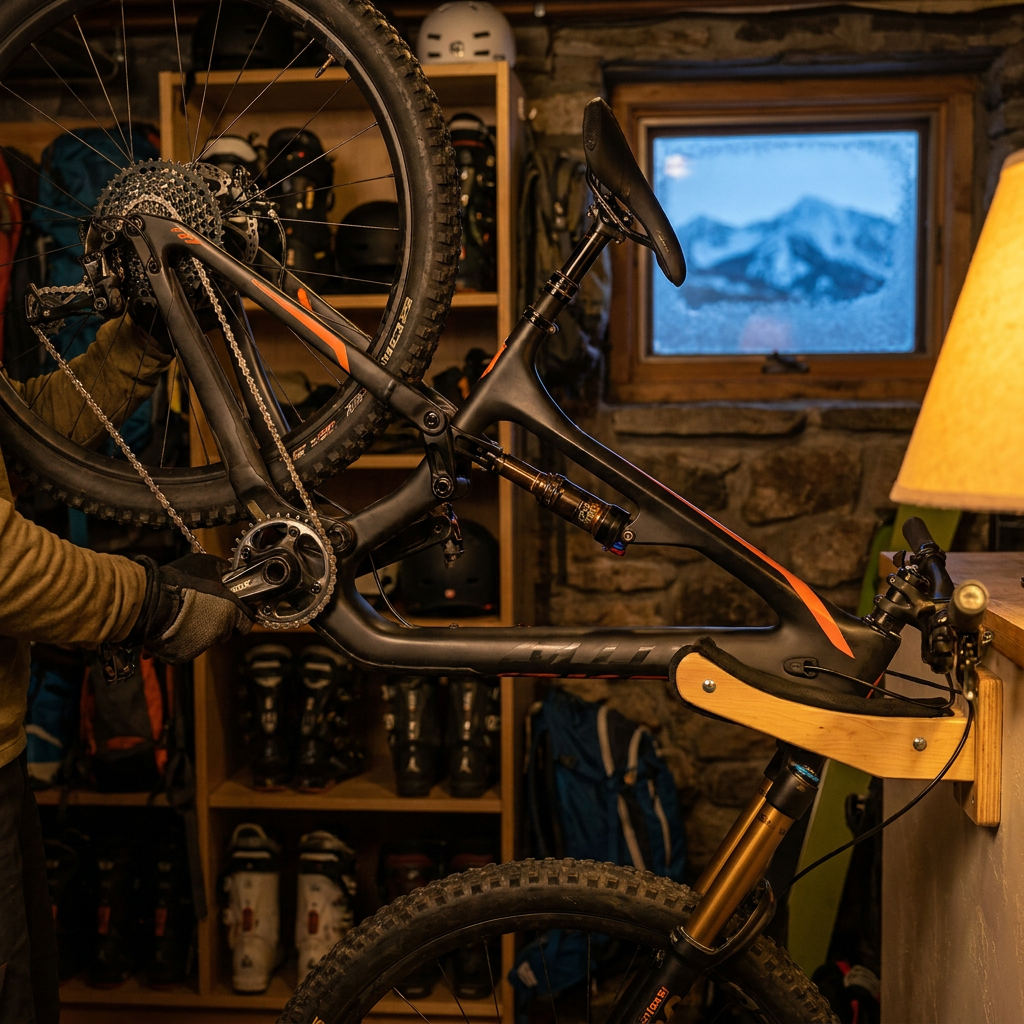
For high-value mountain bikes, consider floor stands that support the frame rather than hanging by wheels. Carbon rims can develop flat spots when supporting full bike weight for months. A $50 floor stand prevents $1,000 wheel replacements.
Remove batteries from e-bikes before storage. Lithium batteries discharge slowly even when off, and deep discharge permanently reduces capacity. Store batteries at 50 to 70 percent charge in a climate-controlled environment, ideally inside your home rather than the storage unit.
Seasonal Rotation Strategy
Organize your unit with current-season gear near the door and off-season equipment in back. In November, skis and winter gear move forward while bikes and summer equipment shift to the rear. Reverse the arrangement in April.
Label all bins clearly with contents and season. "Winter Accessories: Goggles, Gloves, Neck Gaiters" beats "Misc Gear" when you need specific items quickly. Transparent bins allow visual inventory without opening.
Storage Solutions for Vacation Rental Owners
Crested Butte vacation rentals often advertise ski-in/ski-out access or proximity to trails. Guests expect equipment storage, but condos rarely include adequate space. Off-site storage solves this problem while keeping rental units clutter-free.
A 10x10 unit holds guest equipment for a 4-bedroom rental: 12 to 16 pairs of skis, 8 to 10 bikes, and accessories. Rotating gear seasonally keeps the rental stocked with appropriate equipment while storing off-season items safely.
The business storage solutions at Slate River Storage accommodate vacation rental operations with flexible month-to-month leases. No long-term contracts mean adjusting unit size as your rental business grows or contracts.
What Local Ski and Bike Shops Recommend
Professional gear shops in Crested Butte understand equipment storage better than anyone. Their recommendations come from repairing thousands of items damaged by improper storage.
Christy Sports at Treasury Center recommends storing skis with a fresh wax coat that seals bases against moisture absorption. This protective layer costs $20 to $40 at a shop or $5 in materials for DIY application. The wax scrapes off before first use each season.
For bikes, local mechanics suggest a pre-storage tune-up that includes lubricating all pivot points, inflating tires to 50 percent of maximum pressure, and backing off brake pad adjusters. These steps prevent seized pivots, flat-spotted tires, and stuck brake pistons.
Christy Sports at Mountaineer Square offers seasonal storage programs for customers, but capacity fills quickly. Self-storage provides guaranteed space without waitlists or seasonal availability concerns.
Security Features That Protect Valuable Gear
A fully equipped Crested Butte household stores $10,000 to $30,000 in outdoor gear. Security features matter when protecting this investment from theft.
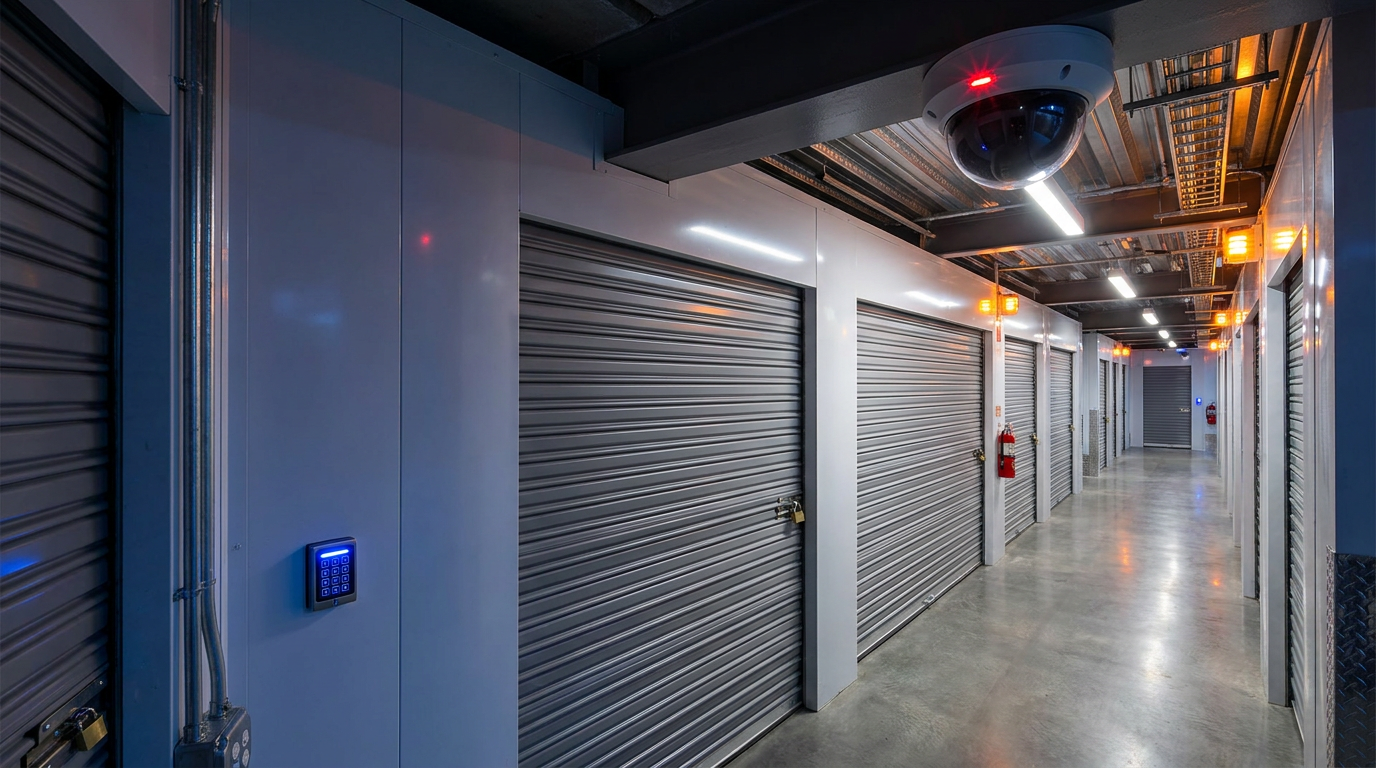
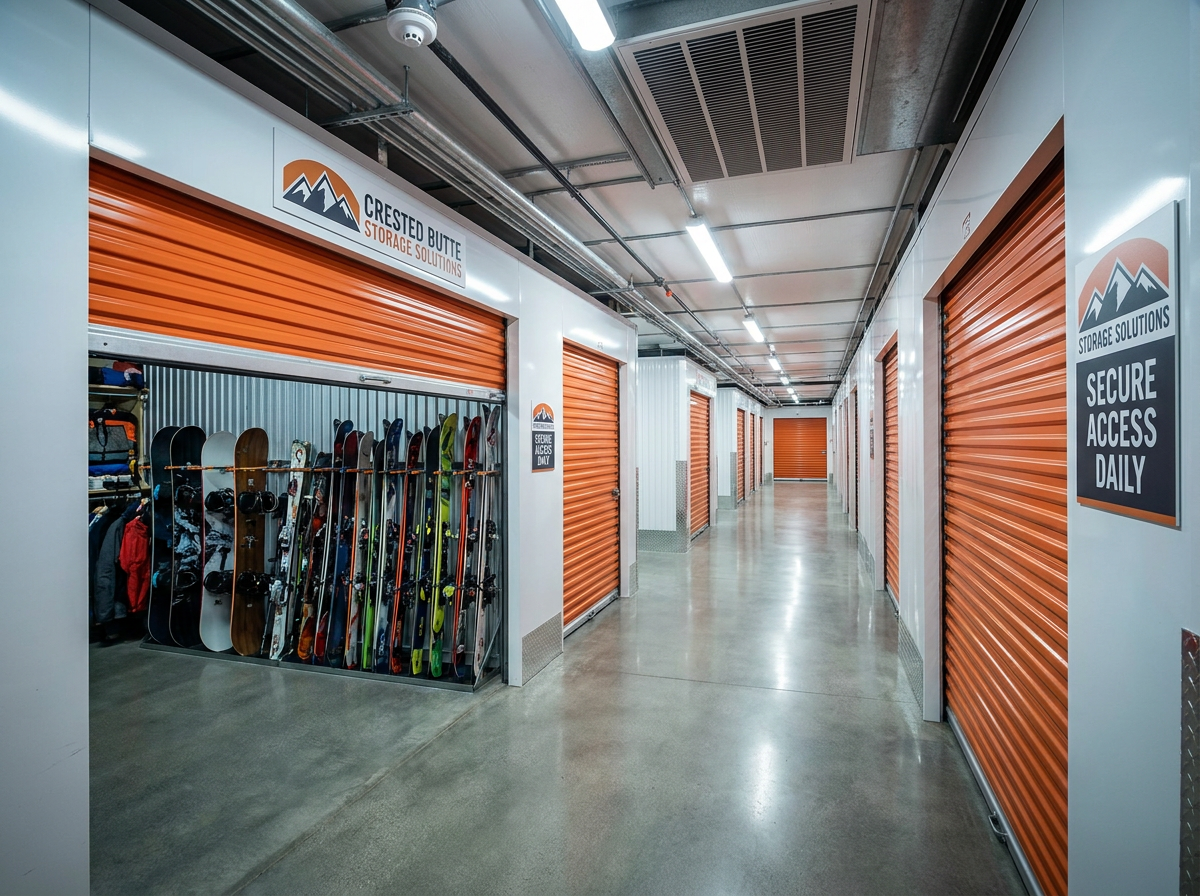
Look for facilities with digital video surveillance covering all access points and hallways. LED lighting eliminates dark corners where tampering goes unnoticed. Individual unit alarms alert management to unauthorized access attempts.
Access control systems track every entry and exit with timestamps. This audit trail helps recover stolen items and deters internal theft. Facilities with keypad or app-based access provide better security than simple padlock-only options.
Slate River Storage combines video surveillance, LED lighting, and electronic access control at their Riverland Drive location. The facility sits just 5 minutes from downtown Crested Butte, making gear retrieval convenient before dawn patrol or after-work rides.
Month-to-Month vs. Long-Term Leases
Storage needs fluctuate with Crested Butte's seasonal population. Winter brings ski season residents who leave in April. Summer attracts mountain bikers who depart after fall colors fade. Flexible leasing accommodates these patterns.
Month-to-month leases cost 5 to 15 percent more than annual contracts but provide freedom to adjust. Downsize from a 10x10 to a 5x10 when summer gear goes into rotation. Upgrade temporarily when moving between homes. Cancel entirely during extended travel.
Facilities requiring deposits add $100 to $300 in upfront costs. No-deposit options like those at Slate River Storage reduce barriers to entry and exit. This flexibility matters for seasonal residents who may not return to the same rental each year.
Frequently Asked Questions
Can I store gasoline-powered equipment in a storage unit?
Most facilities prohibit gasoline storage due to fire risk. Drain fuel from snowmobiles, ATVs, and gas-powered tools before storing. Add fuel stabilizer to any remaining traces in tanks and lines. Electric equipment stores without restrictions.
How do I prevent mice from damaging stored gear?
Sealed plastic bins prevent rodent access better than cardboard boxes. Avoid storing food, pet food, or scented items that attract pests. Peppermint oil sachets deter mice naturally. Climate-controlled indoor units have fewer pest issues than outdoor or unheated options.
Should I store skis with bindings attached?
Yes, keep bindings mounted but release the DIN setting to minimum. This relieves spring tension that weakens over time. Re-adjust DIN settings before first use each season, ideally with a professional binding check.
What insurance covers stored outdoor gear?
Homeowners and renters insurance typically covers stored belongings up to policy limits, even at off-site locations. Verify coverage amounts and deductibles with your insurer. Facility-offered tenant protection plans provide additional coverage starting at $10 to $20 per month.
How often should I check on stored equipment?
Visit your unit monthly to verify climate control is functioning and no issues have developed. Quarterly deep inspections should include checking tire pressure, lubricating moving parts, and rotating items to prevent flat spots or compression damage.
Getting Started with Gear Storage in Crested Butte
The right storage solution protects your outdoor investment while freeing space at home. Start by inventorying your gear collection and measuring total volume. Add 20 percent buffer space for organization systems and future acquisitions.
Visit facilities in person before committing. Check that climate control actually functions by noting temperature during your tour. Verify 24/7 access works with your schedule, especially for early morning ski days or post-work bike rides.
Have questions about unit sizes or features? The frequently asked questions page answers common concerns, or contact the storage team directly for personalized recommendations based on your specific gear collection.
|