Storage Unit Security Features: What to Look For and Ask |
| STORAGE UNIT SECURITY FEATURES: WHAT TO LOOK FOR AND QUESTIONS TO ASK
⏱ 15 min read ·
📄 #2,855 words
Learn the essential security features to evaluate when choosing a storage facility, plus the 12 critical questions to ask before signing a rental agreement.
|
T he most secure storage facilities combine five core elements: 24/7 video surveillance, individual unit alarms, electronic gate access with unique codes, adequate lighting throughout the property, and on-site management or security personnel. Before signing a rental agreement, verify these features exist and ask for specifics about monitoring practices, access logs, and incident response protocols.
| Key Points: | |
|---|---|
| • | Digital video surveillance should cover all access points, hallways, and exterior areas with 30+ day footage retention |
| • | Electronic access control with unique PIN codes creates audit trails showing exactly who entered and when |
| • | Facilities with perimeter fencing, LED lighting, and limited access hours experience 60% fewer break-ins |
| • | Always ask about insurance requirements, lock policies, and how staff responds to security incidents |
| • | Climate-controlled units with interior access add an extra security layer by eliminating exterior-facing doors |
Why Storage Security Matters More Than Price
According to the Self Storage Association, Americans store over $150 billion worth of belongings in storage facilities nationwide. Yet security standards vary dramatically between facilities. A 2024 industry survey found that facilities with comprehensive security systems report theft rates 73% lower than those with minimal measures.
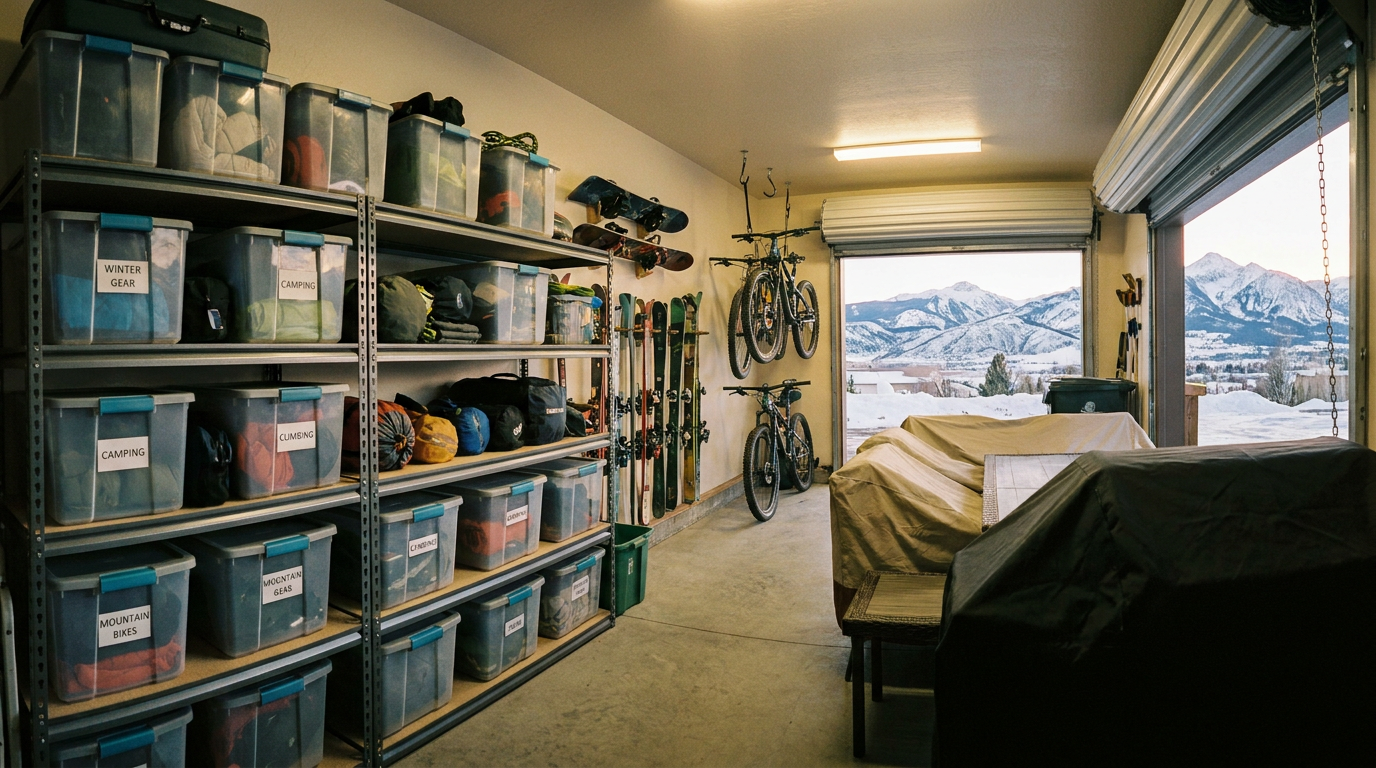
The average value of items in a single storage unit ranges from $2,500 to $15,000. For renters storing vehicles, outdoor equipment, or business inventory, that figure climbs significantly higher. In mountain communities like Crested Butte, Colorado, where residents routinely store $3,000+ ski equipment and $5,000+ mountain bikes, security becomes even more critical.
Choosing based solely on monthly rates often backfires. A facility charging $50 less per month but lacking proper security could cost you thousands in stolen or damaged belongings. The Federal Trade Commission recommends treating storage facility selection with the same diligence as choosing home insurance.
The 8 Essential Security Features to Evaluate
Not all security measures provide equal protection. Understanding what separates adequate security from excellent security helps you make informed decisions. Here are the eight features that matter most, ranked by effectiveness.
1. Video Surveillance Systems
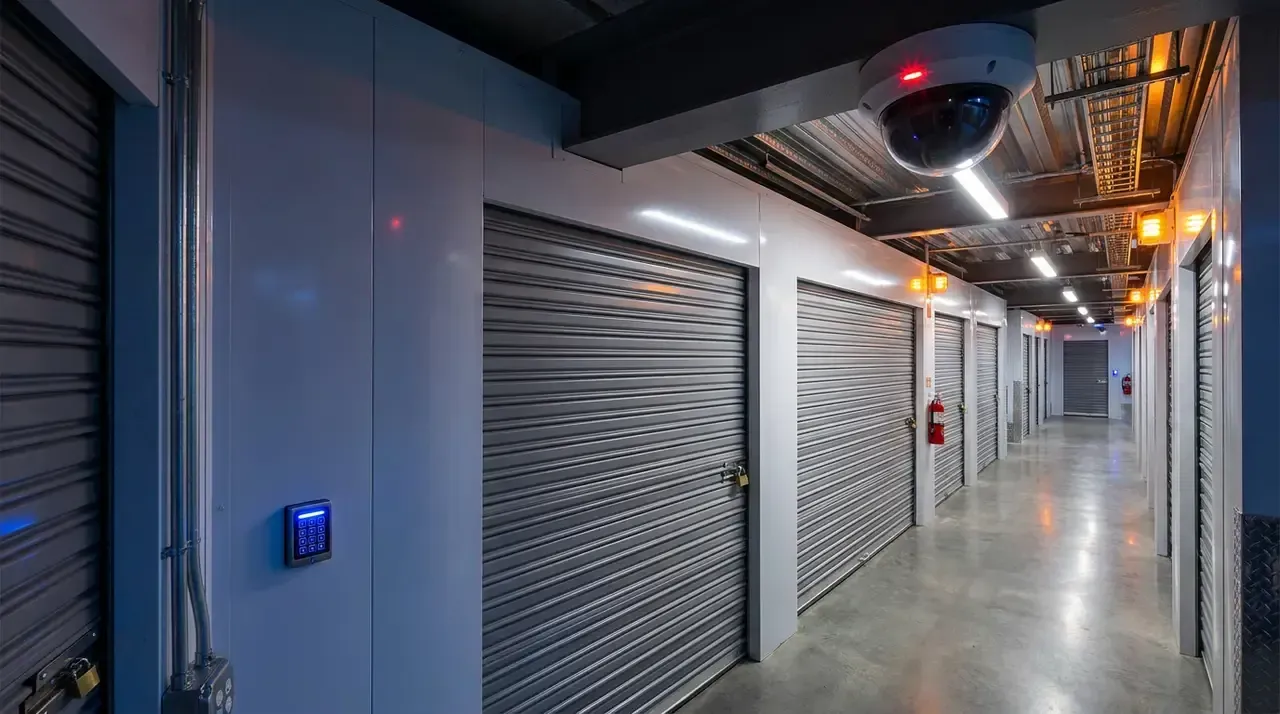
Modern storage facilities should use digital video surveillance with high-definition cameras positioned at entry gates, building entrances, hallways, and parking areas. According to Public Storage, effective surveillance systems include cameras recording 24/7 with a minimum 30-day footage retention period.
Look for facilities using IP-based camera systems rather than outdated analog equipment. IP cameras provide 1080p or 4K resolution, making it possible to identify individuals and license plates. Facilities with remote monitoring capabilities can alert authorities within 2-3 minutes of detecting suspicious activity.
At Slate River Storage, digital video surveillance covers all access points and common areas, providing continuous monitoring of the entire facility.
2. Electronic Access Control
Electronic gate access using individual PIN codes or key cards creates accountability that traditional padlocks cannot match. Each tenant receives a unique code, and the system logs every entry and exit with timestamps. This audit trail proves invaluable if theft occurs, narrowing down exactly who accessed the facility and when.
Premium systems integrate access control with unit alarms. When a tenant enters their code at the gate, only their specific unit becomes accessible. Attempting to open any other unit triggers an immediate alert to facility management and, in some cases, local authorities.
Facilities offering 24/7 access should balance convenience with security by requiring code entry at multiple checkpoints, not just the main gate.
3. Perimeter Security and Fencing
Physical barriers remain fundamental to storage security. Industry standards recommend 8-foot perimeter fencing with anti-climb features such as angled tops or barbed wire. The fencing should extend around the entire property with no gaps larger than 4 inches.
Gates should be heavy-duty steel construction with automatic closing mechanisms. Manual gates that tenants leave open create significant vulnerabilities. The best facilities use dual-gate systems where the first gate must close before the second opens, preventing tailgating.
4. Lighting Quality and Coverage
Adequate lighting deters criminal activity and improves surveillance camera effectiveness. Security experts recommend minimum lighting levels of 5 foot-candles throughout parking areas and 10 foot-candles at building entrances and hallways.
LED lighting has become the industry standard due to its brightness, energy efficiency, and longevity. Motion-activated lights in less-trafficked areas provide additional security while reducing energy costs. Dark corners, shadowed alcoves, and unlit areas between buildings indicate security gaps.
Facilities like Slate River Storage install LED lighting throughout the property, eliminating dark spots where criminal activity could go unnoticed.
5. Individual Unit Alarms
Unit-level alarms represent the gold standard in storage security. These systems detect when a unit door opens and verify whether the tenant properly disarmed the alarm using their access code. Unauthorized access triggers immediate alerts.
According to Guardian Storage, facilities with individual unit alarms experience 80% fewer successful break-ins compared to those relying solely on perimeter security. The alarm serves as both a deterrent and an early warning system.
6. On-Site Management and Security Personnel
Staffed facilities provide human oversight that technology alone cannot replicate. On-site managers notice suspicious behavior, verify tenant identities, and respond immediately to security concerns. The Self Storage Association reports that facilities with daily on-site staff have 45% fewer security incidents than unstaffed locations.
Ask about staffing hours and after-hours response protocols. Some facilities employ overnight security guards or contract with local security companies for regular patrols. Others use remote monitoring services that can dispatch police within minutes of detecting a breach.
7. Climate-Controlled Interior Units
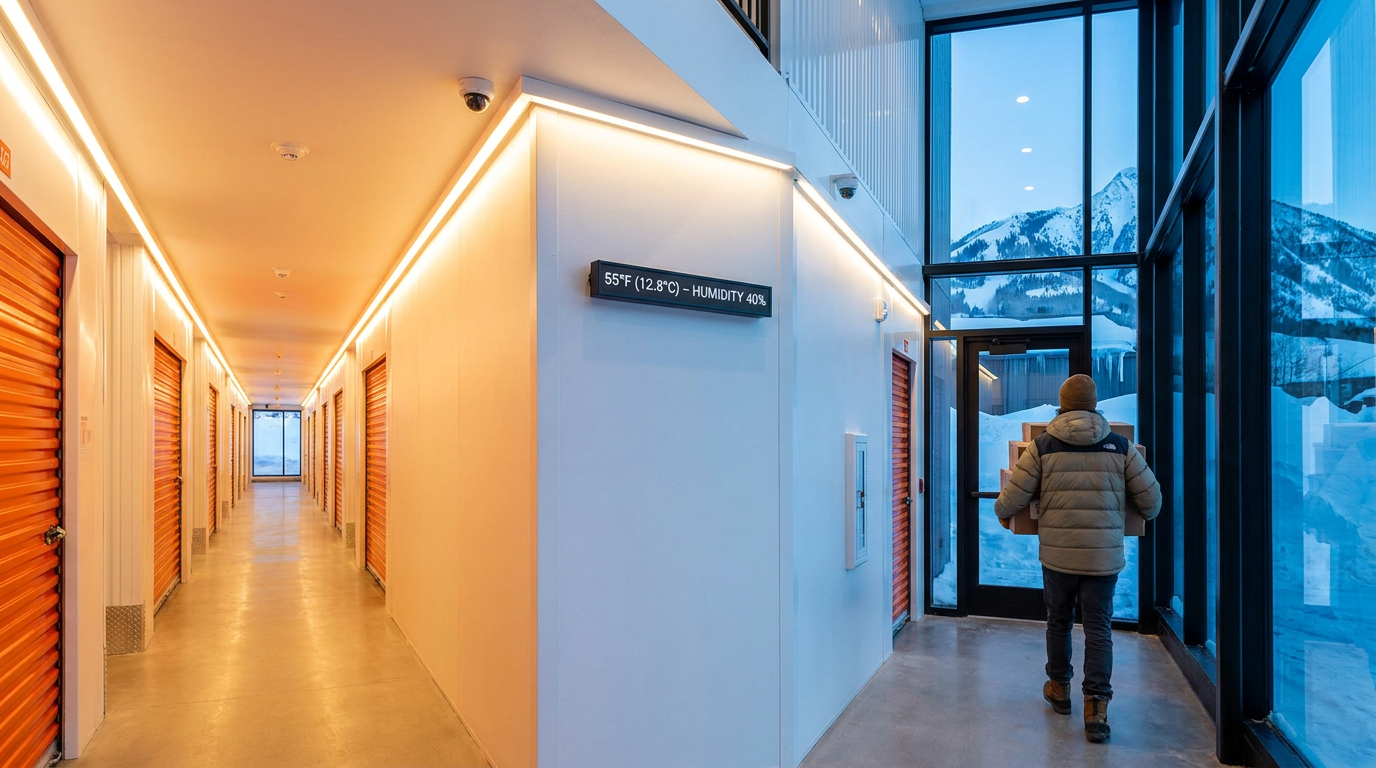
While primarily designed to protect temperature-sensitive items, interior climate-controlled units offer enhanced security benefits. These units sit inside a building with limited access points, adding another layer of protection beyond the main gate.
Thieves targeting storage facilities prefer quick access and easy escape routes. Interior units require navigating through secured doors, hallways, and potentially multiple floors. This complexity significantly reduces the appeal to opportunistic criminals.
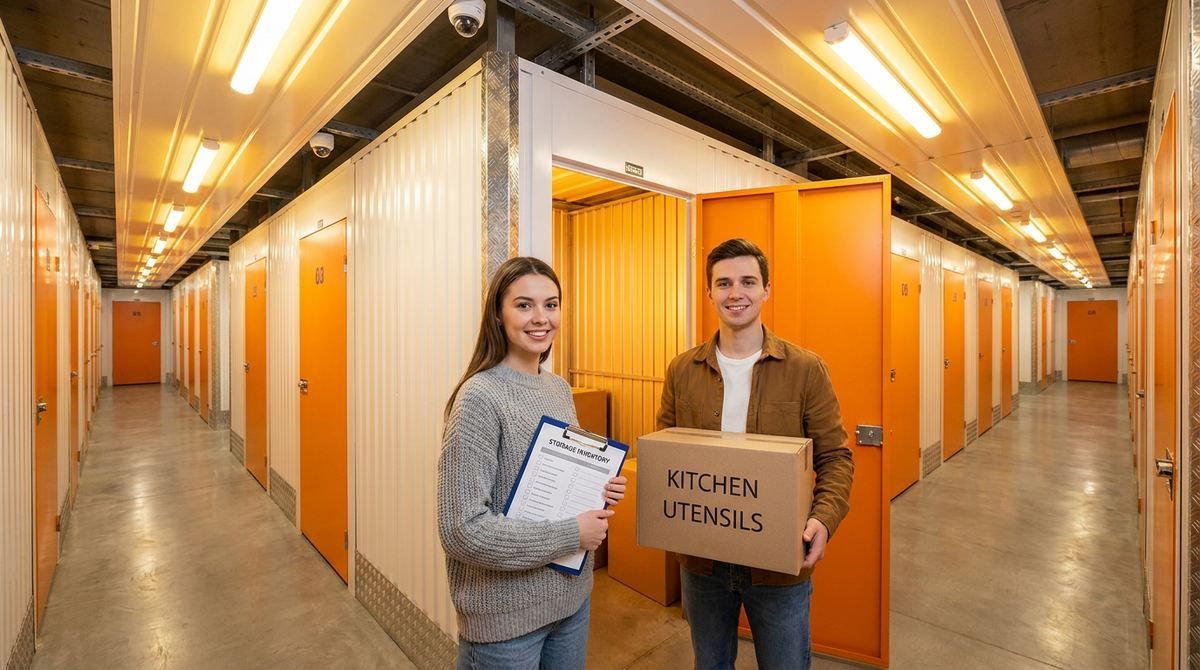
Slate River Storage offers climate-controlled interior units ranging from 6x10 to 10x11 feet, providing both temperature protection and enhanced security for valuable belongings.
8. High-Quality Lock Requirements
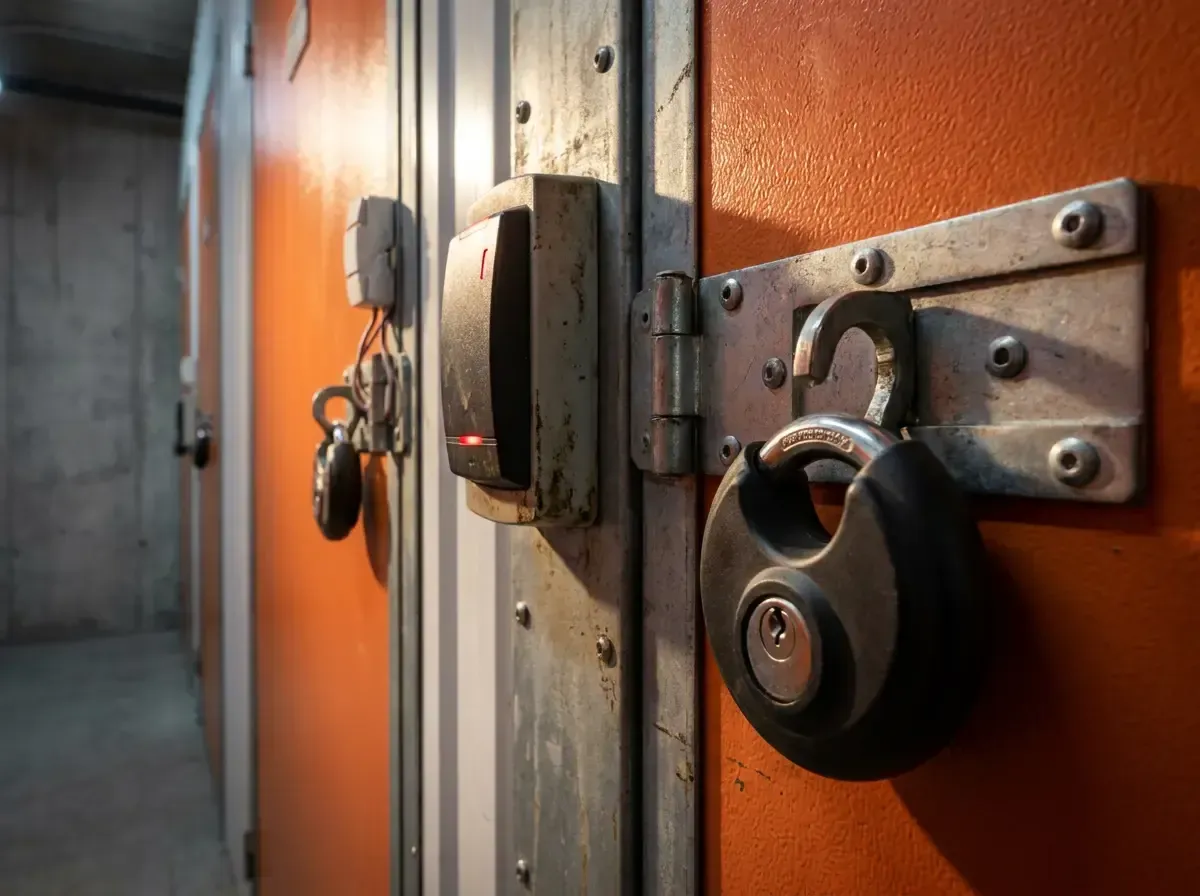
The strongest facility security means nothing if tenants use cheap, easily defeated locks. Quality facilities either provide disc locks or cylinder locks, or require tenants to purchase approved lock types meeting specific security standards.
Disc locks, also called disc padlocks or puck locks, resist cutting and prying far better than traditional padlocks. The shackle sits recessed within the lock body, making bolt cutter attacks nearly impossible. Expect to pay $15-40 for a quality disc lock compared to $5-15 for a standard padlock.
Security Feature Comparison: What to Expect at Different Price Points
| Security Feature | Budget Facilities | Mid-Range Facilities | Premium Facilities |
|---|---|---|---|
| Video Surveillance | Gate only | Gate + hallways | Full coverage, HD cameras |
| Access Control | Shared gate code | Individual PIN codes | PIN + biometric options |
| Fencing | 6-foot chain link | 8-foot with barbed wire | 8-foot steel, anti-climb |
| Lighting | Partial coverage | Full property LED | LED + motion sensors |
| Unit Alarms | Not available | Optional upgrade | Standard on all units |
| Staffing | Limited hours | Business hours daily | Extended hours + patrols |
| Typical Monthly Cost (10x10) | $75-125 | $125-200 | $200-350+ |
12 Critical Questions to Ask Before Renting
Facility websites and marketing materials often highlight security features without providing crucial details. These 12 questions help you evaluate actual security practices versus marketing claims.
Questions About Surveillance and Monitoring
1. How many cameras monitor the facility, and where are they positioned? Request a general overview of camera placement. Adequate coverage means cameras at every access point, throughout hallways, and covering parking areas. Facilities should have at minimum one camera per 10 units.
2. How long is surveillance footage retained? Industry best practice is 30-90 days. Shorter retention periods may mean footage gets deleted before you discover a theft. Some facilities offer extended retention for an additional fee.
3. Is the facility monitored in real-time, or only recorded? Real-time monitoring allows immediate response to security breaches. Recorded-only systems rely on after-the-fact review, which helps with investigations but does not prevent theft in progress.
Questions About Access Control
4. Does each tenant receive a unique access code? Shared codes eliminate accountability. If multiple tenants use the same code, access logs become meaningless for identifying who was present during an incident.
5. What are the access hours, and can they be restricted? 24/7 access offers convenience but increases security risks during overnight hours when fewer people are present. Some facilities allow tenants to restrict their own access hours for added protection.
6. How quickly are access codes deactivated for former tenants? Codes should be deactivated immediately upon lease termination. Delays create windows where former tenants retain unauthorized access.
Questions About Incident Response
7. What happens if someone attempts to access my unit without authorization? Understand the specific response protocol. Does the system alert staff? Contact police? Send you a notification? The answer reveals how seriously the facility treats security breaches.
8. Has the facility experienced any break-ins or security incidents in the past 2 years? Legitimate facilities answer honestly. A history of incidents is not necessarily disqualifying if the facility implemented improvements. Refusal to answer is a red flag.
9. What is your relationship with local law enforcement? Facilities with strong police relationships receive faster response times. Some facilities conduct regular security walkthroughs with local officers or participate in crime prevention programs.
Questions About Insurance and Liability
10. What insurance coverage do you require, and what does your facility insurance cover? Most facilities require tenants to carry insurance and explicitly exclude coverage under facility policies. Understanding this gap helps you obtain appropriate tenant protection coverage.
11. What types of locks are permitted or required? Facilities serious about security specify approved lock types or provide locks directly. Those allowing any lock type prioritize convenience over protection.
12. Can I add my own security measures to my unit? Some facilities permit additional locks, motion sensors, or cameras inside units. Others prohibit modifications. Knowing your options helps you supplement facility security if needed.
Red Flags That Indicate Poor Security
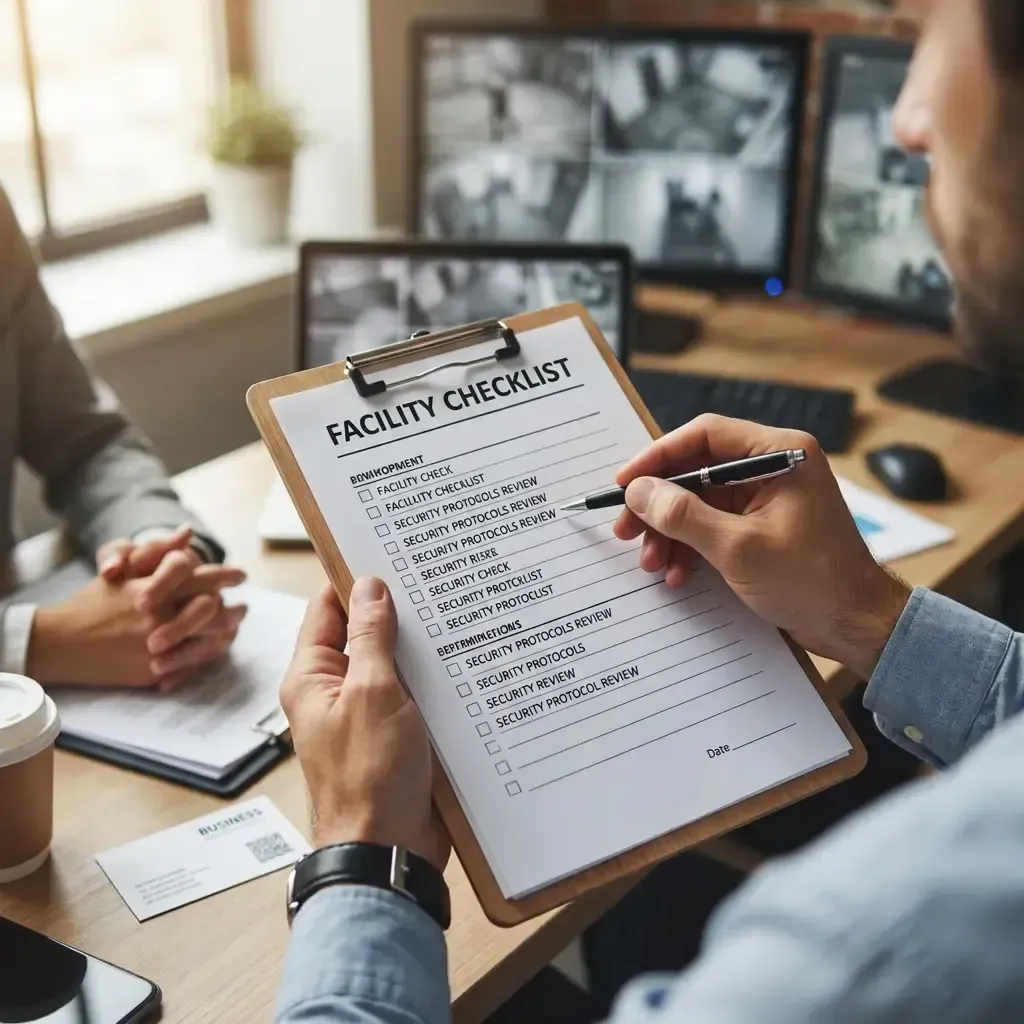
During your facility visit, watch for these warning signs that suggest inadequate security measures or poor maintenance of existing systems.
Broken or non-functional equipment: Cameras pointed at walls, gates that do not close properly, or burned-out lights indicate neglected security systems. If visible equipment is not maintained, hidden systems likely suffer similar neglect.
Overgrown landscaping near fencing: Bushes and trees near perimeter fencing provide cover for intruders. Well-maintained facilities keep vegetation trimmed to maintain clear sightlines.
Damaged units left unrepaired: Broken doors, damaged locks, or units with obvious forced entry marks suggest the facility does not prioritize security repairs. These damaged units also provide potential entry points for thieves.
Reluctance to answer security questions: Legitimate facilities welcome security inquiries. Staff who deflect questions, provide vague answers, or seem unfamiliar with security systems raise concerns about actual security practices.
No visible staff presence: Completely unstaffed facilities during business hours suggest minimal oversight. While automation handles many functions, human presence deters criminal activity and enables rapid incident response.
Security Considerations for Mountain Communities
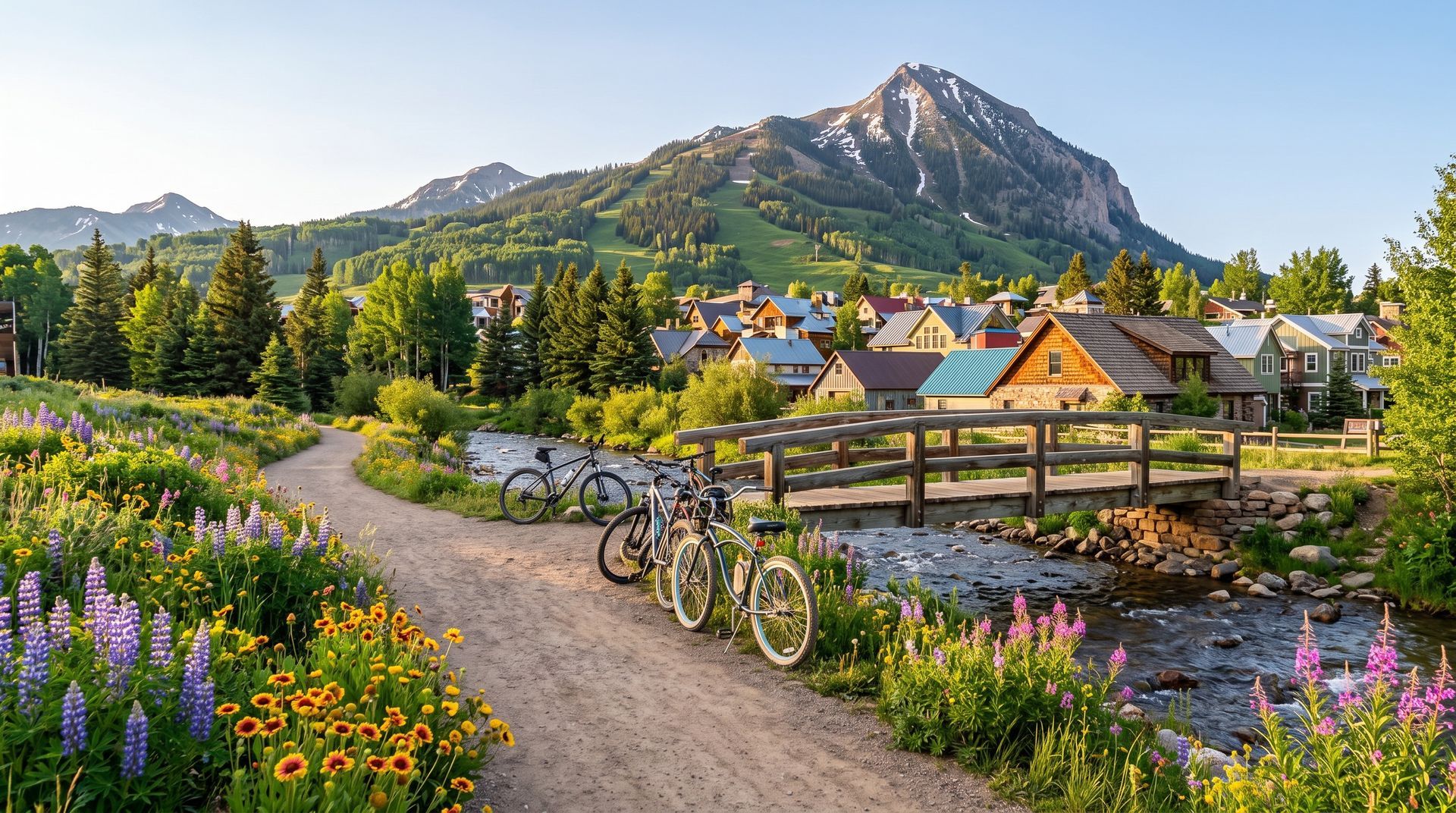
Storage facilities in areas like Crested Butte and the Gunnison Valley face unique security challenges related to seasonal population fluctuations, extreme weather, and high-value outdoor equipment storage.
Seasonal population swings mean facilities may sit relatively empty during shoulder seasons, making them more attractive targets. Facilities serving mountain communities should maintain consistent security staffing year-round, not just during peak seasons.
Extreme winter conditions can impact security systems. Temperatures dropping to -20 degrees Fahrenheit stress electronic components, potentially causing gate malfunctions or camera failures. Quality facilities use cold-rated equipment and conduct regular winter maintenance checks.
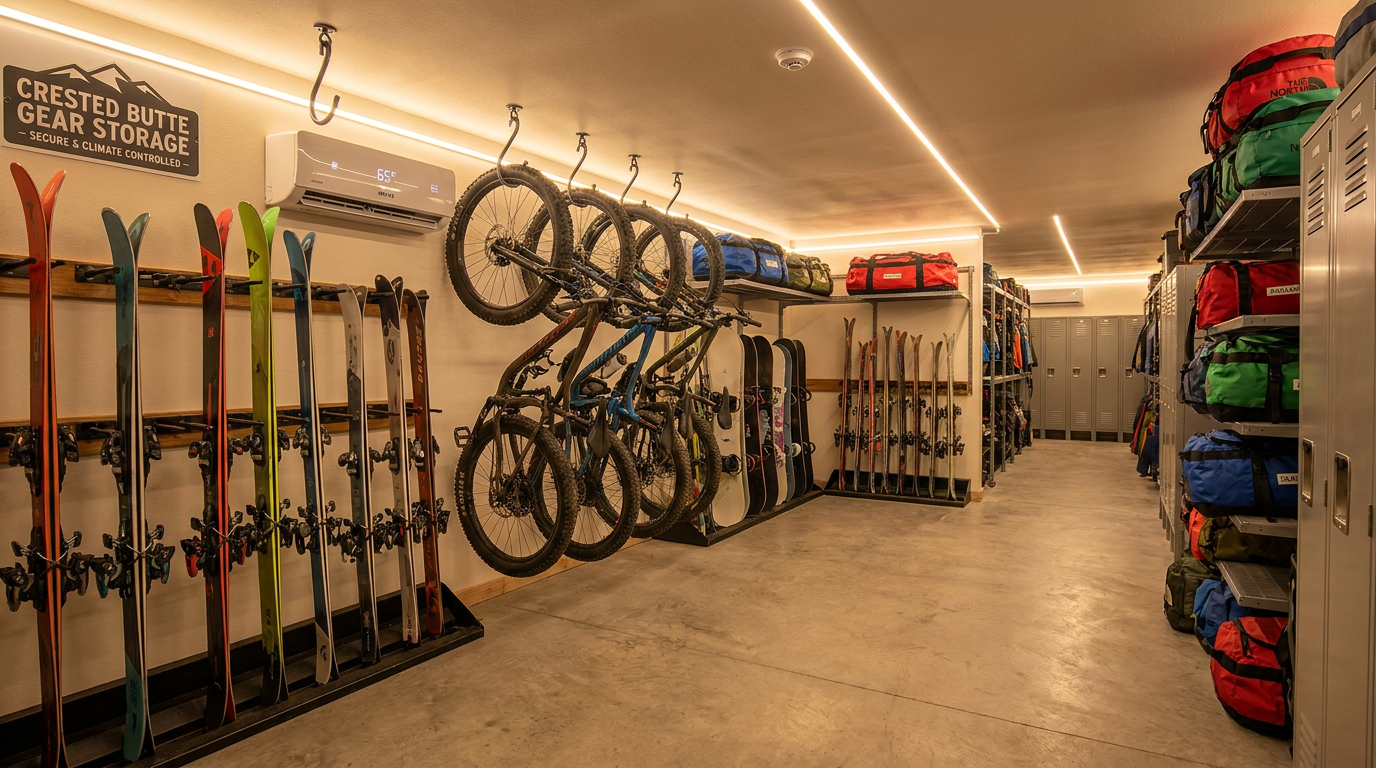
The high value of stored items in mountain communities, including skis, snowboards, mountain bikes, and outdoor gear, attracts sophisticated thieves who specifically target storage facilities. A single 10x10 unit might contain $10,000-25,000 worth of equipment.
Locally owned facilities often provide better security in these environments because operators understand local conditions and maintain community relationships that corporate chains cannot replicate.
How to Verify Security Claims Before Signing
Marketing materials and website descriptions do not always reflect reality. Use these verification strategies to confirm security features actually function as advertised.
Request a facility tour during off-peak hours. Visiting at 7 PM or on a Sunday reveals how the facility operates when fewer staff are present. Security systems should function identically regardless of time or day.
Test the access control system. Ask staff to demonstrate how the gate and access codes work. Observe whether the system logs your entry and whether gates close automatically.
Check camera angles yourself. Look at cameras during your tour and note what they actually cover. Cameras pointed at ceilings or walls provide no security value regardless of how many exist.
Read online reviews specifically for security mentions. Search facility reviews on Google, Yelp, and Facebook for terms like "theft," "break-in," "security," and "stolen." Patterns of security complaints reveal systemic issues.
Ask for references from long-term tenants. Tenants who have stored items for years can speak to actual security performance over time, including how the facility handled any incidents.
Want to see security features in action? Take a virtual tour of Slate River Storage to view our surveillance systems, access control, and LED lighting throughout the facility.
Additional Steps to Protect Your Belongings
Even at highly secure facilities, taking personal precautions adds another layer of protection for your stored items.
Document everything you store. Create a detailed inventory with photographs, serial numbers, and estimated values. Store this documentation separately from your unit, ideally in cloud storage accessible from anywhere.
Purchase adequate insurance coverage. Homeowners and renters policies sometimes cover stored belongings, but limits and deductibles vary. Dedicated storage insurance typically costs $10-25 per month for $5,000-15,000 in coverage.
Use strategic packing. Place valuable items toward the back of your unit, behind larger furniture or boxes. Thieves working quickly grab items near the door; making valuables harder to reach reduces loss even if a break-in occurs.
Vary your visit times. Visiting at different times makes your patterns less predictable to anyone monitoring facility traffic. Avoid establishing routines that criminals could exploit.
Report suspicious activity immediately. If you notice unfamiliar people, damaged units, or unusual activity, alert facility management right away. Quick reporting helps prevent crimes in progress and protects the entire facility community.
Frequently Asked Questions About Storage Security
Are storage units safe from theft?
Storage units at facilities with comprehensive security measures experience theft rates below 1% annually. However, facilities with minimal security see significantly higher incident rates. Your choice of facility directly impacts safety. Always verify security features before renting rather than assuming all facilities provide equal protection.
What is the most secure type of storage unit?
Interior climate-controlled units with individual alarms provide the highest security. These units require passing through multiple access points, sit inside secured buildings, and trigger alerts if opened without proper authorization. Drive-up units offer convenience but typically have fewer security layers.
Should I use my own lock or one provided by the facility?
Use a high-quality disc lock regardless of whether you purchase it yourself or from the facility. Disc locks resist cutting and prying far better than standard padlocks. Avoid combination locks, which skilled thieves can defeat in under 60 seconds. Budget $20-40 for a quality lock rather than $5-10 for a cheap one.
How do I know if a storage facility has good security?
Visit in person and verify: functioning cameras covering all areas, electronic access with individual codes, perimeter fencing in good repair, adequate lighting with no dark areas, and staff who can answer security questions confidently. Check online reviews for mentions of theft or break-ins. Facilities reluctant to discuss security details often have something to hide.
Does storage unit insurance cover theft?
Most tenant protection plans cover theft, but coverage limits, deductibles, and documentation requirements vary. Read policy details carefully. Some plans exclude high-value items like jewelry or electronics without additional riders. File police reports immediately after discovering theft to support insurance claims.
What should I not store in a storage unit?
Beyond prohibited items like hazardous materials and perishables, avoid storing irreplaceable items such as family heirlooms, important documents, or sentimental valuables. Even the most secure facilities cannot guarantee 100% protection. Keep irreplaceable items in bank safe deposit boxes or home safes instead.
Making Your Final Decision
Security should rank among your top three considerations when choosing a storage facility, alongside location and price. A facility offering excellent security at a slightly higher monthly rate provides better value than a cheap facility where your belongings face elevated theft risk.
Use the questions and evaluation criteria in this guide during facility visits. Take notes, compare multiple facilities, and trust your observations over marketing claims. The right facility combines robust physical security, modern technology, professional management, and transparent communication about their security practices.
Have questions about security features at Slate River Storage? Contact our team by phone at (970) 251-0247 or email, and we will walk you through every security measure protecting your belongings. Check our frequently asked questions for additional information about facility access, policies, and rental procedures.
|