R enting your first storage unit requires choosing the right size (5x5 to 10x30 feet), bringing valid ID and proof of address, understanding lease terms, and deciding between climate-controlled or standard units. The entire process takes 15 to 30 minutes when you arrive prepared with inventory lists and payment method.
| Key Points: | |
|---|---|
| • | Storage units range from $50 to $300 per month depending on size and climate control features |
| • | You need government-issued ID and proof of current address to complete rental paperwork |
| • | Climate-controlled units maintain 55 to 80 degrees Fahrenheit, protecting electronics and wood furniture |
| • | Month-to-month leases offer flexibility; some facilities require no deposit |
| • | The 4 D's of self-storage are Declutter, Donate, Discard, and Determine what to store |
What Are the 4 D's of Self-Storage?
The 4 D's framework helps first-time renters avoid paying for space they do not need. According to Extra Space Storage's beginner guide, following this system can reduce your required unit size by 20 to 40 percent.
Declutter means sorting through every item you plan to store. Create three piles: keep, maybe, and remove. Studies show the average American household contains 300,000 items, making this step essential for accurate space planning.
Donate involves giving usable items to organizations like Goodwill, Habitat for Humanity ReStore, or local charities. Furniture, clothing, and household goods in good condition qualify for tax-deductible donations when you itemize deductions.
Discard applies to broken, damaged, or expired items. Old paint cans, outdated electronics, and worn-out furniture cost money to store without providing future value. Schedule bulk pickup through your local waste management service.
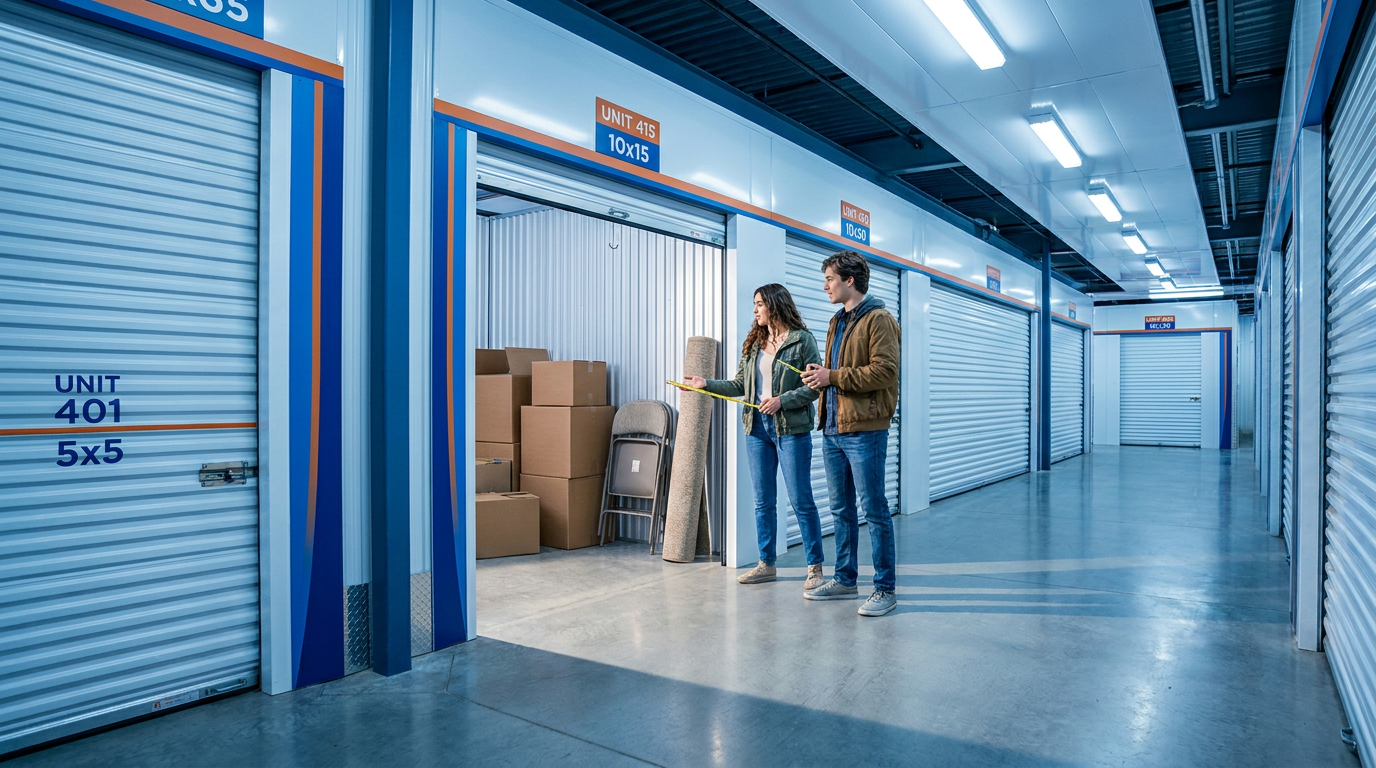
Determine requires listing exactly what goes into storage. Measure large items like sofas (typically 7 to 8 feet long), mattresses (queen mattresses measure 60 by 80 inches), and appliances. This inventory becomes your sizing guide.
Storage Unit Size Guide for Beginners
Choosing the correct unit size prevents paying for unused space or cramming items into too-small areas. The Self Storage Association reports that 65 percent of first-time renters initially choose the wrong size, usually too large.
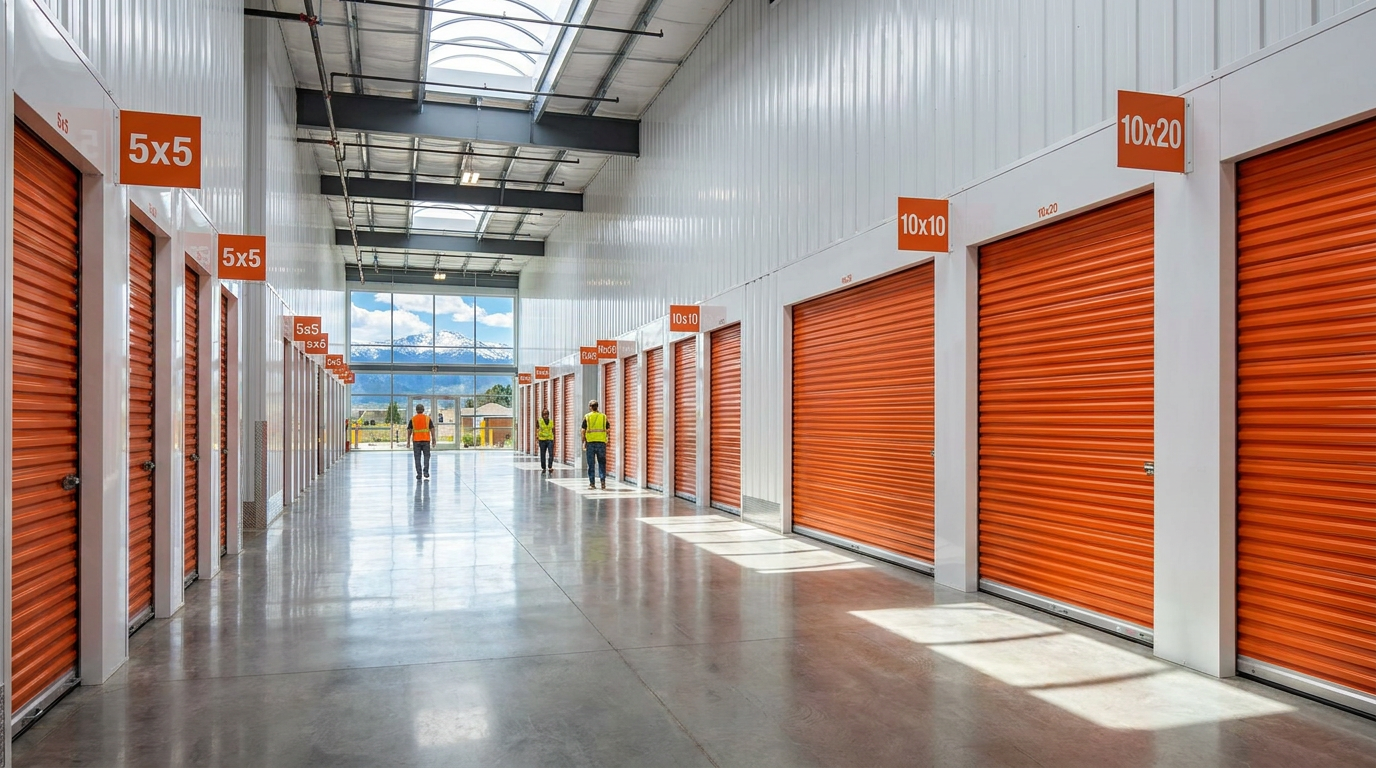
| Unit Size | Square Feet | Best For | Typical Monthly Cost |
|---|---|---|---|
| 5x5 | 25 sq ft | Boxes, small furniture, seasonal items | $50 to $100 |
| 5x10 | 50 sq ft | Studio apartment, mattress set, dresser | $75 to $150 |
| 10x10 | 100 sq ft | One-bedroom apartment contents | $100 to $200 |
| 10x15 | 150 sq ft | Two-bedroom home, large appliances | $150 to $250 |
| 10x20 | 200 sq ft | Three-bedroom home, vehicles | $200 to $350 |
| 10x30 | 300 sq ft | Large home, RV, boat storage | $300 to $500 |
Not sure how much space you need? Our storage unit size guide walks you through every option from 5x5 to 10x30 feet with visual comparisons and item lists.
Documents Required to Rent a Storage Unit
Storage facilities require specific documentation to verify your identity and create a legal rental agreement. Arriving without proper documents means returning another day, wasting time and delaying your move.
Mandatory Documents
Government-issued photo ID serves as primary identification. Acceptable forms include driver's license, state ID card, passport, or military ID. The ID must be current and not expired.
Proof of current address verifies where you live. Utility bills dated within 60 days, bank statements, lease agreements, or vehicle registration documents work for this requirement.
Payment method completes the transaction. Most facilities accept credit cards, debit cards, checks, and sometimes cash. Automatic payment setup typically requires a credit or debit card on file.
Optional but Helpful Documents
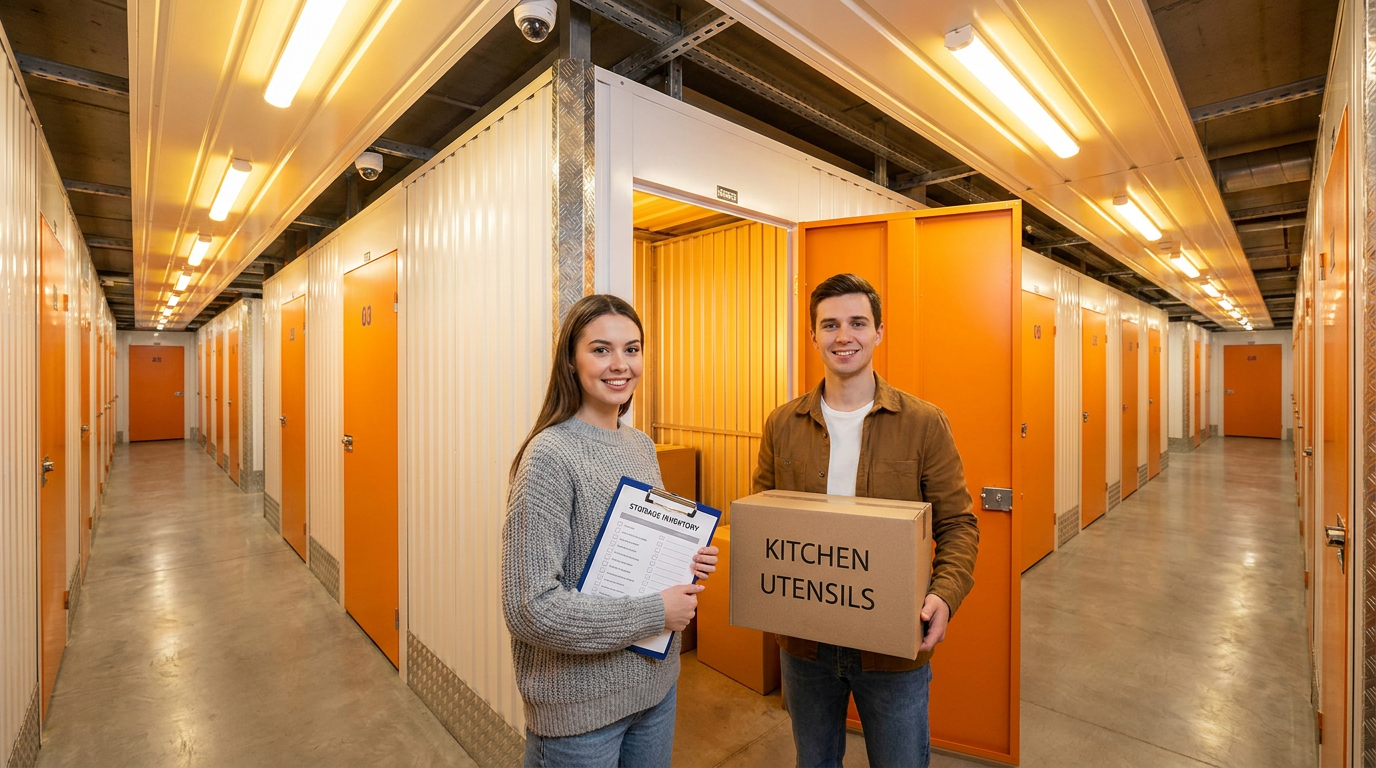
Bringing an inventory list helps staff recommend the right unit size. Include dimensions of large items and total box count estimates. Some facilities keep this list on file for insurance purposes.
If renting for a business, bring your business license or EIN documentation . Commercial storage agreements may have different terms than residential contracts.
Climate Control: When You Need It
Climate-controlled units maintain temperatures between 55 and 80 degrees Fahrenheit year-round. In mountain communities like the Gunnison Valley, where winter temperatures drop to negative 20 degrees Fahrenheit, this protection becomes essential for many items.
According to Sunbird Storage's first-time renter checklist, items requiring climate control include wooden furniture, electronics, musical instruments, photographs, artwork, wine, leather goods, and important documents.
Items That Need Climate Control
Electronics suffer damage when temperatures fluctuate. Computers, televisions, and gaming consoles contain components that expand and contract with temperature changes, causing solder joints to crack.
Wood furniture warps, cracks, and splits in extreme temperatures. Antique pieces, pianos, and heirloom furniture require stable environments. Humidity fluctuations cause wood to absorb or release moisture, leading to permanent damage.
Photographs and documents yellow, stick together, and deteriorate in heat and humidity. Family photos, legal documents, and business records need protection from temperature extremes.
Items That Do Not Require Climate Control
Metal tools, plastic containers, outdoor furniture, and lawn equipment tolerate temperature swings without damage. Seasonal decorations stored in plastic bins also survive standard storage conditions.
At Slate River Storage, all units are heated to protect belongings from Colorado's harsh winters. This feature eliminates guesswork about whether your items need climate protection in mountain environments.
Security Features to Look For
The Federal Bureau of Investigation reports storage facility break-ins increased 12 percent between 2020 and 2024. Choosing a facility with comprehensive security features protects your investment and provides peace of mind.
Essential Security Features
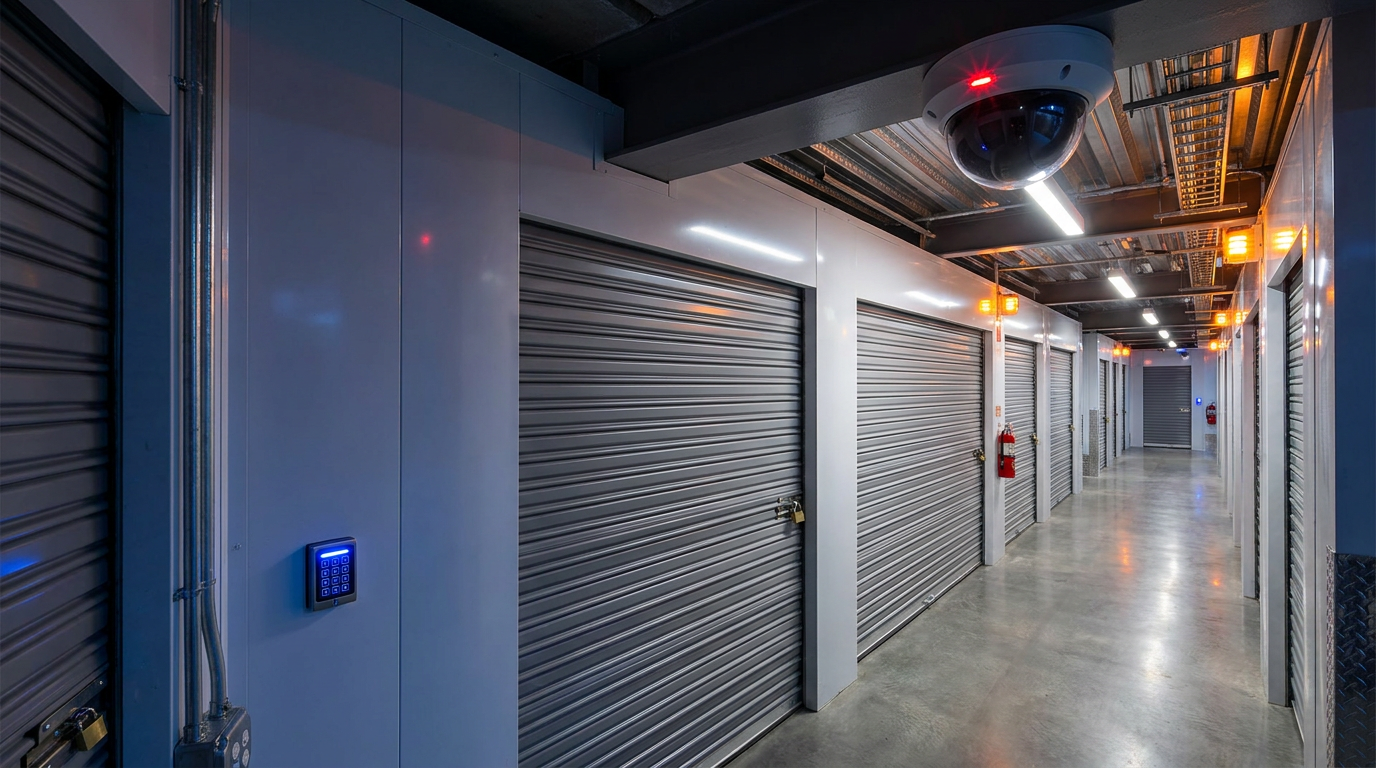
Digital video surveillance should cover all access points, hallways, and exterior areas. Look for facilities with 24/7 recording and retention periods of at least 30 days. Modern systems use high-definition cameras with night vision capabilities.
Individual unit alarms trigger when someone opens your specific unit without authorization. This feature alerts facility management immediately rather than relying solely on camera review after incidents occur.
Gated access with unique codes tracks who enters the property and when. Each renter receives a personal access code, creating an audit trail. Quality facilities change gate codes when tenants move out.
Adequate lighting throughout the facility deters criminal activity and helps you see inside your unit during evening visits. LED lighting provides consistent illumination while reducing energy costs for the facility.
Additional Security Considerations
Perimeter fencing should be at least 6 feet tall with no gaps or damage. On-site management during business hours adds human oversight. Some facilities offer insurance or tenant protection plans covering burglary, fire, and water damage.
Understanding Storage Rental Agreements
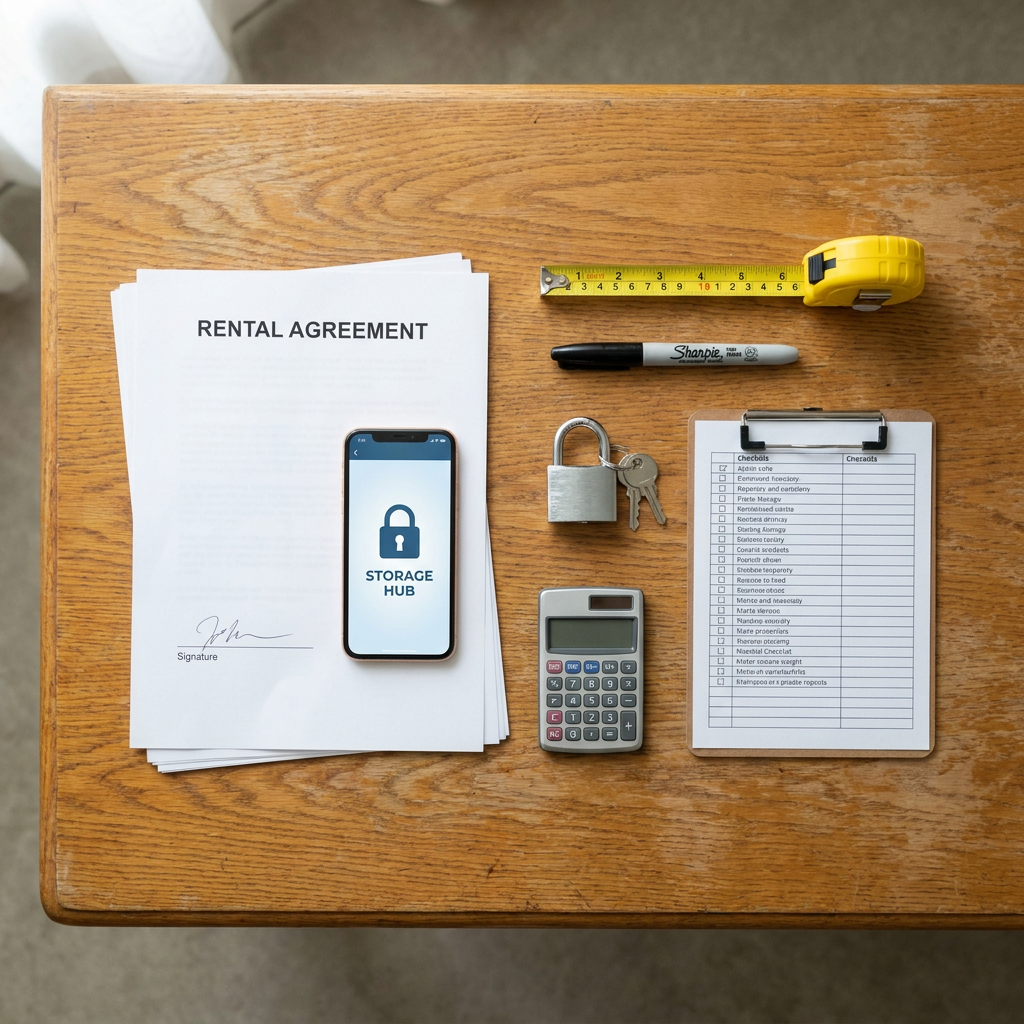
Storage rental agreements contain important terms affecting your rights and obligations. According to Morningstar Storage's step-by-step guide, reading the entire agreement before signing prevents surprises later.
Key Terms to Review
Lease duration specifies whether you commit monthly or for longer periods. Month-to-month agreements offer flexibility but may cost slightly more per month. Annual contracts sometimes include discounts of 5 to 15 percent.
Payment due dates and late fees vary by facility. Some charge late fees after 5 days, others after 10 or 15 days. Fees typically range from $10 to $50 or 10 to 20 percent of monthly rent.
Lien sale procedures explain what happens if you stop paying. State laws govern timelines, but most facilities can auction contents after 30 to 90 days of non-payment following proper notification.
Insurance requirements may mandate coverage for stored items. Some facilities require proof of renter's insurance or offer protection plans ranging from $10 to $30 monthly for coverage between $2,000 and $10,000.
Hidden Fees to Watch For
Administration fees, lock purchase requirements, and mandatory insurance add to base rental costs. Some facilities charge move-out fees or require 30-day notice before vacating. Ask about all potential charges before signing.
At Slate River Storage, month-to-month leasing comes with no hidden fees and no deposit required. This transparent pricing helps first-time renters budget accurately.
How to Access Your Storage Unit for the First Time
Your first visit to a storage facility involves learning access procedures, locating your unit, and understanding facility rules. Plan 30 to 45 minutes for this initial orientation.
Before Arriving
Confirm your access code or key card works by calling the facility. Bring your rental agreement, access credentials, and a quality lock if the facility does not provide one. Disc locks offer better security than standard padlocks.
Check facility access hours. While many facilities advertise 24/7 access, some restrict overnight entry or limit access during holidays. Verify these details match your planned usage patterns.
During Your First Visit
Locate emergency exits, fire extinguishers, and facility management contact information. Note the path from the entrance to your unit, especially if navigating with a moving truck or trailer.
Inspect your unit before loading anything. Check for signs of pests, water damage, or structural issues. Document the unit's condition with dated photographs. Report any concerns to management immediately.
Test the door mechanism and your lock. Practice opening and closing the unit several times. Ensure adequate lighting exists for loading and organizing during various times of day.
Packing and Organizing Your Storage Unit
Strategic packing maximizes space efficiency and protects your belongings. The American Moving and Storage Association estimates proper packing techniques increase usable space by 25 to 30 percent.
Essential Packing Supplies
| Supply | Purpose | Quantity for 10x10 Unit |
|---|---|---|
| Medium boxes (18x18x16) | Books, dishes, small items | 20 to 30 boxes |
| Large boxes (24x18x18) | Linens, pillows, lightweight items | 10 to 15 boxes |
| Wardrobe boxes | Hanging clothes | 3 to 5 boxes |
| Packing paper | Wrapping fragile items | 5 to 10 pounds |
| Bubble wrap | Extra fragile protection | 1 large roll |
| Furniture covers | Protecting upholstery | 2 to 4 covers |
| Mattress bags | Keeping mattresses clean | 1 per mattress |
Loading Strategy
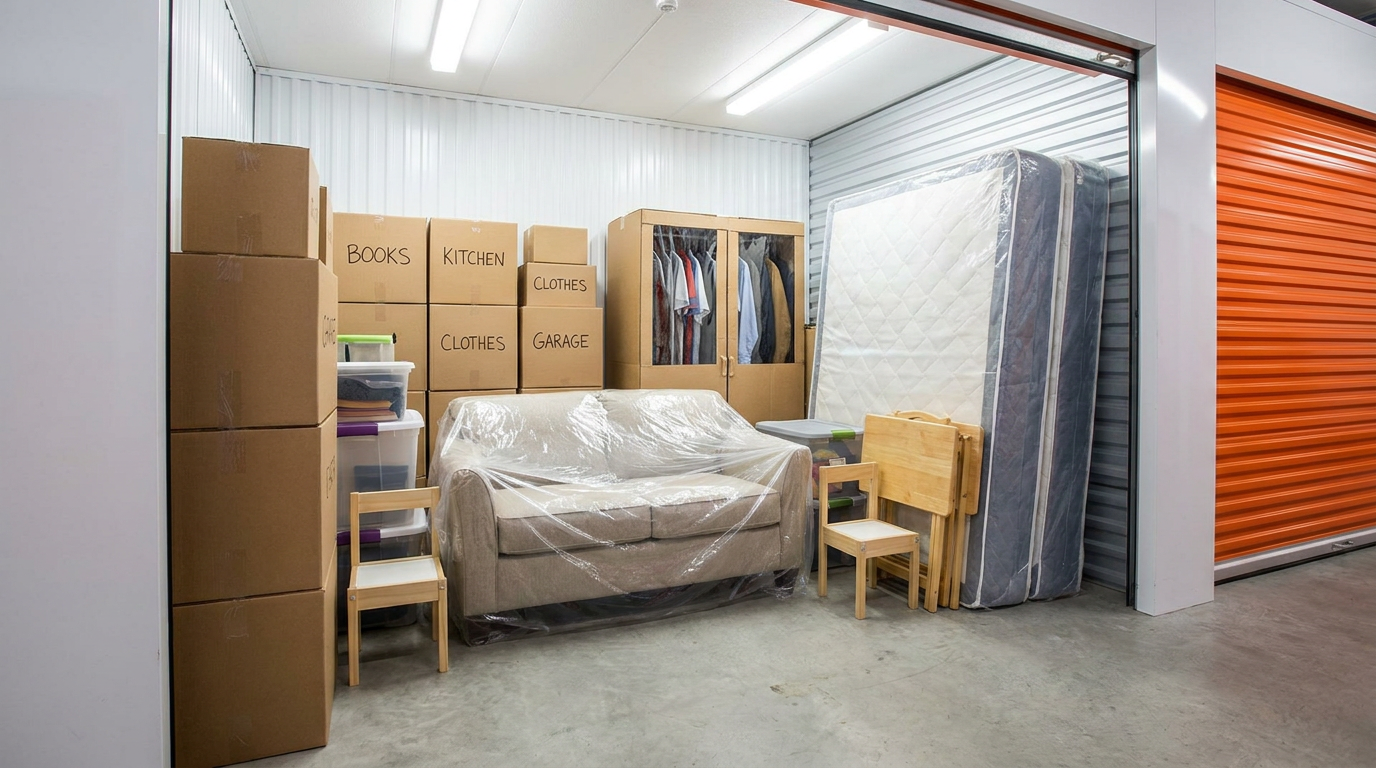
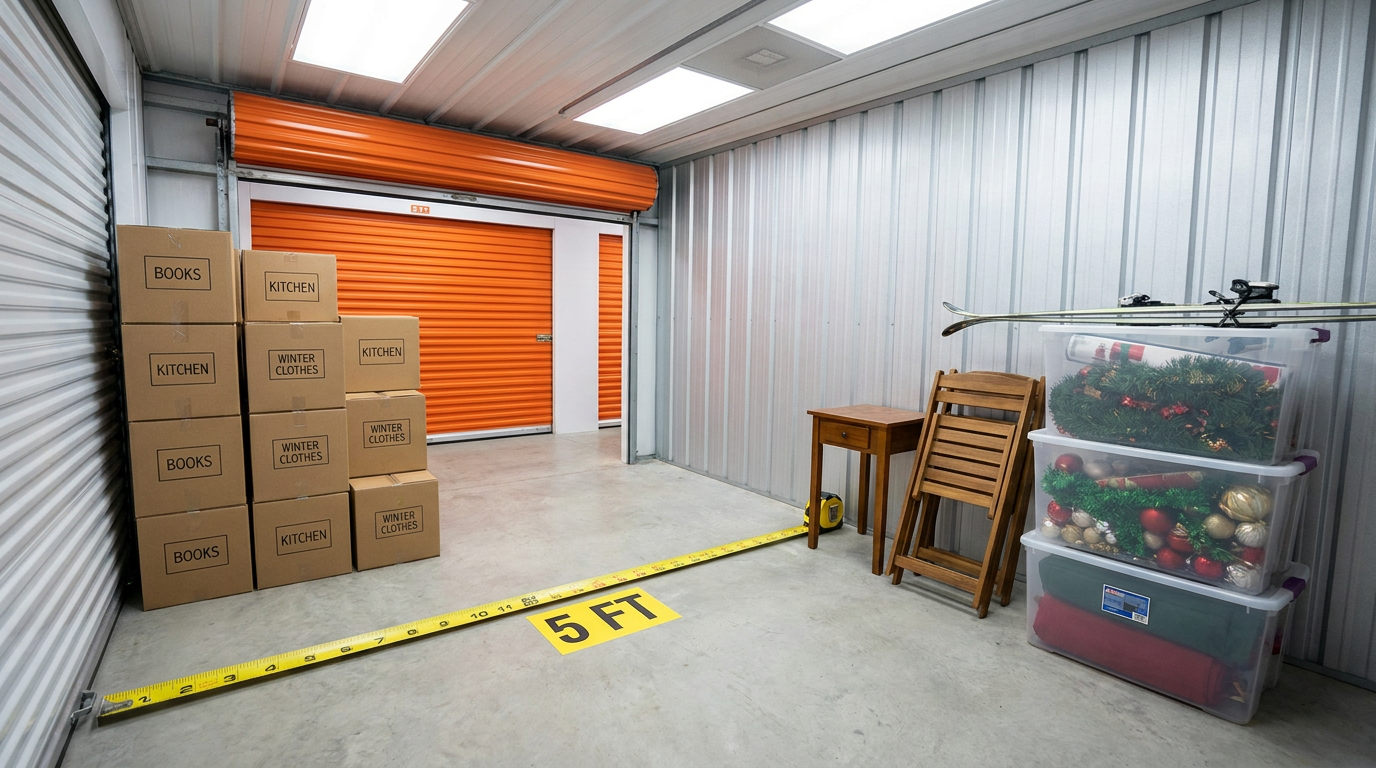
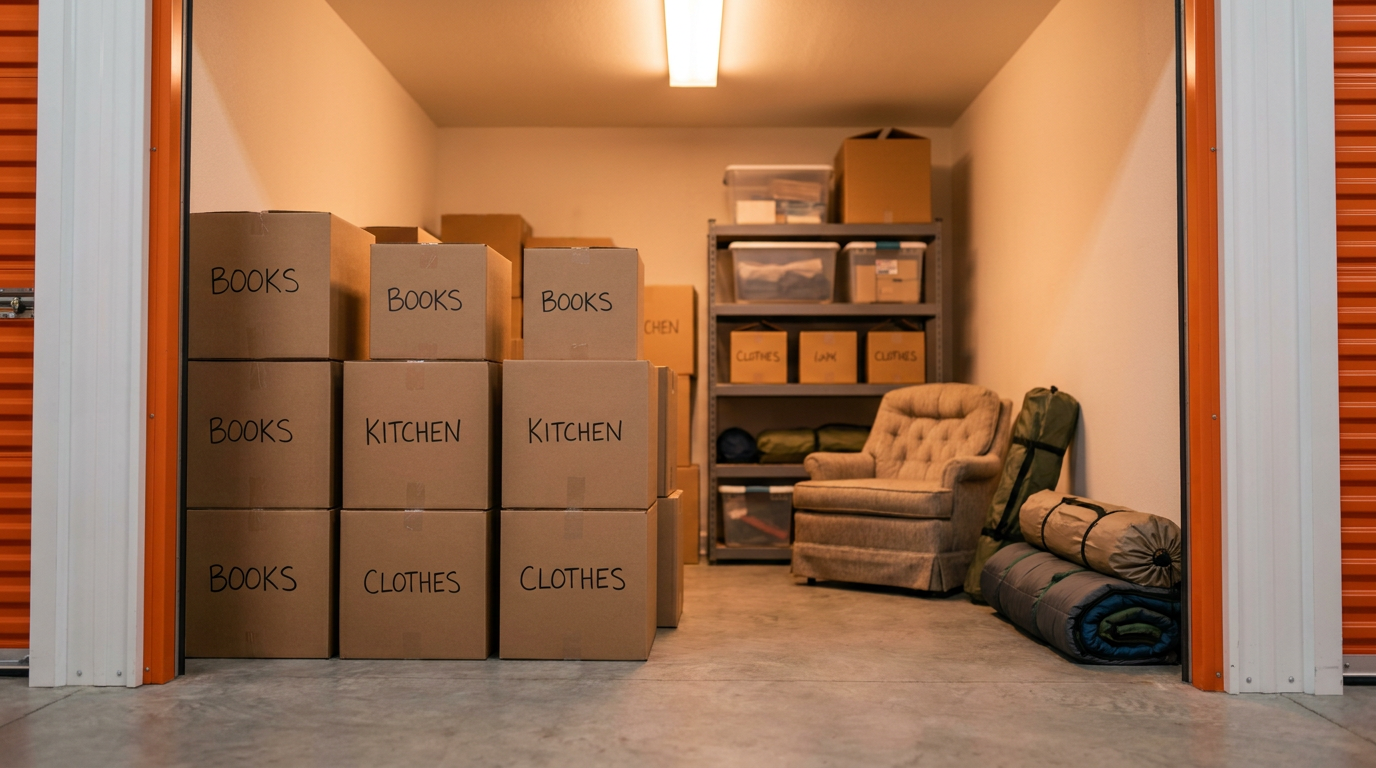
Create aisles for access to items stored in the back. Leave 2 to 3 feet of walkway space even if it reduces total storage capacity. Retrieving items without unloading everything saves hours of work.
Place heavy items on the bottom and lighter items on top. Stack boxes no more than 5 high to prevent crushing. Put frequently accessed items near the front of the unit.
Disassemble furniture when possible. Remove table legs, bed frames, and shelving units. Keep hardware in labeled bags taped to the corresponding furniture piece.
Use vertical space by stacking to ceiling height along walls. Place mattresses and box springs on edge against walls rather than flat on the floor. Stand sofas on end if ceiling height allows.
Labeling System
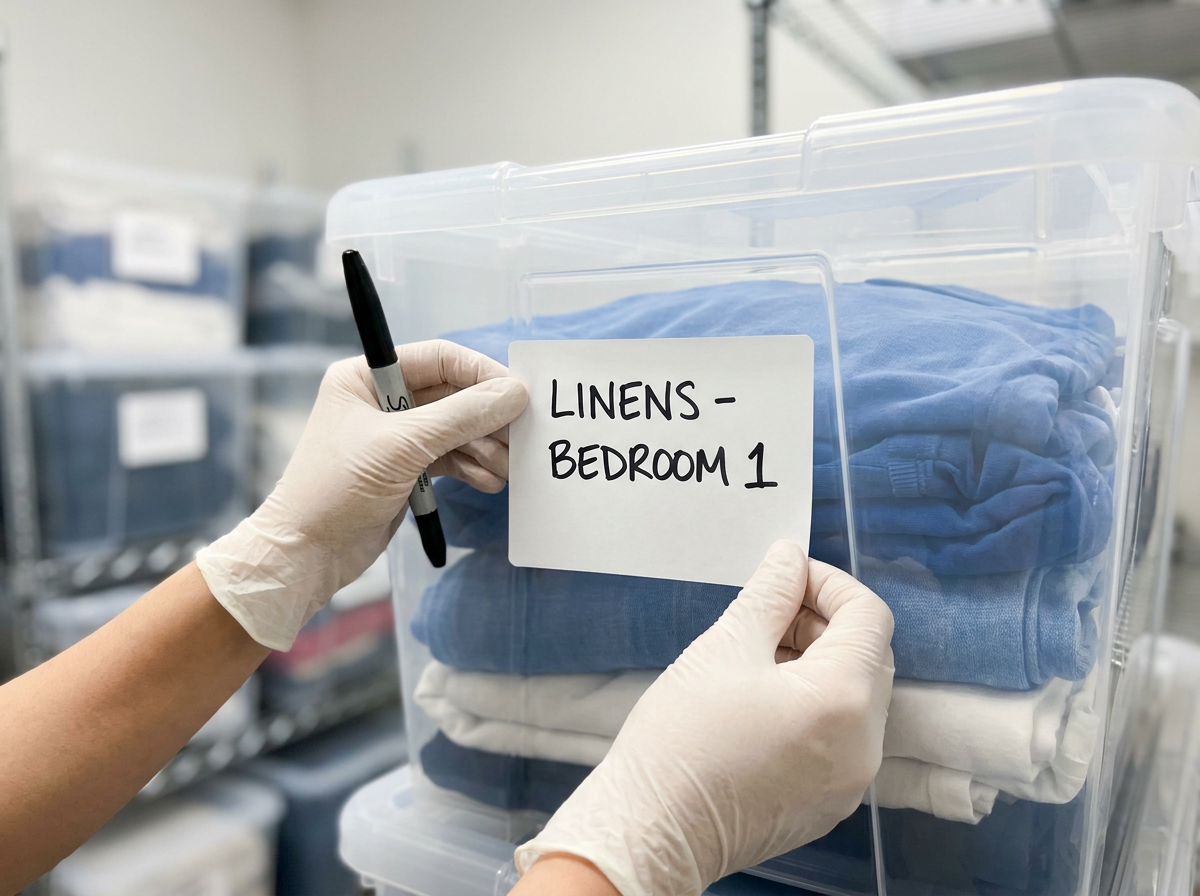
Label all boxes on at least two sides with contents and room destination. Use a numbering system and maintain a master inventory list. Photograph box contents before sealing for easy reference without opening.
Color-coded labels speed identification. Assign colors to categories: red for kitchen, blue for bedroom, green for garage items. This system helps when retrieving specific items months later.
Items You Cannot Store
Federal and state regulations prohibit certain items in storage facilities. Violating these rules can result in immediate eviction, fines, or criminal charges. Most rental agreements list prohibited items explicitly.
Universally Prohibited Items
Hazardous materials include gasoline, propane, paint thinners, pesticides, and pool chemicals. These substances pose fire and explosion risks. Even small quantities violate regulations.
Perishable food attracts pests and creates health hazards. Canned goods may be acceptable, but fresh, frozen, or refrigerated items are never allowed.
Living things cannot be stored under any circumstances. This includes pets, plants, and any organism requiring care. Facilities conduct periodic inspections to verify compliance.
Weapons and ammunition face restrictions at most facilities. Firearms may require separate disclosure and additional insurance. Check facility policies before storing any weapons.
Illegal items including stolen property, controlled substances, and counterfeit goods result in immediate eviction and law enforcement notification.
Commonly Restricted Items
Tires, car batteries, and unregistered vehicles may face restrictions. Some facilities prohibit fireworks, even during off-season storage. Medical equipment with batteries or fluids often requires special approval.
Have questions about renting? Check out our frequently asked questions for everything you need to know about what you can and cannot store.
Insurance and Protection Options
Standard homeowner's or renter's insurance policies may cover stored belongings, but coverage limits and deductibles vary significantly. Review your existing policy before purchasing additional protection.
Homeowner's and Renter's Insurance
Most policies extend coverage to items stored off-premises, typically at 10 percent of total coverage limits. A policy with $100,000 in personal property coverage would provide $10,000 for stored items.
Deductibles apply to storage claims just like home claims. If your deductible is $1,000 and you suffer $1,500 in losses, you receive only $500 after the claim processes.
Facility Protection Plans
Storage facilities offer tenant protection plans through companies like SafeLease and Bader Company. These plans typically cost $10 to $30 monthly and provide coverage from $2,000 to $10,000.
Protection plans often have lower deductibles than homeowner's policies, sometimes as low as $50 to $100. Claims processing may be faster since the facility manages the relationship with the protection provider.
Our tenant protection plan covers burglary, fire, water damage, and more for peace of mind during your storage rental.
What Insurance Typically Does Not Cover
Vermin damage, mold from humidity, mysterious disappearance without forced entry, and gradual deterioration fall outside most coverage. Items with sentimental value receive only market value compensation, not replacement cost.
Cost-Saving Strategies for First-Time Renters
Storage costs add up over months and years. Strategic planning reduces expenses without sacrificing security or convenience. The average American spends $1,200 to $2,400 annually on storage.
Right-Size Your Unit
Renting a unit 25 percent larger than needed wastes $20 to $75 monthly. Use the 4 D's method to eliminate unnecessary items before estimating space requirements. Visit facilities to see unit sizes in person.
Consider Location Trade-offs
Facilities 10 to 15 minutes from downtown areas often cost 15 to 25 percent less than central locations. If you access your unit monthly rather than weekly, the extra drive time may justify significant savings.
Ask About Promotions
First-month-free promotions, seasonal discounts, and referral programs reduce costs. Some facilities offer reduced rates for prepaying 6 to 12 months in advance. Military, senior, and student discounts may apply.
Avoid Long-Term Storage Creep
Set calendar reminders to evaluate storage needs every 3 to 6 months. Items stored for over 2 years may cost more in rental fees than their replacement value. Regular audits prevent paying indefinitely for forgotten belongings.
Drive-Up vs. Interior Units
Unit location within a facility affects convenience, climate protection, and pricing. Understanding these differences helps match your needs with the right option.
Drive-Up Units
Drive-up units allow vehicle access directly to your unit door. Loading and unloading heavy furniture, appliances, and large quantities of boxes becomes significantly easier. No hallways, elevators, or stairs separate your vehicle from your belongings.
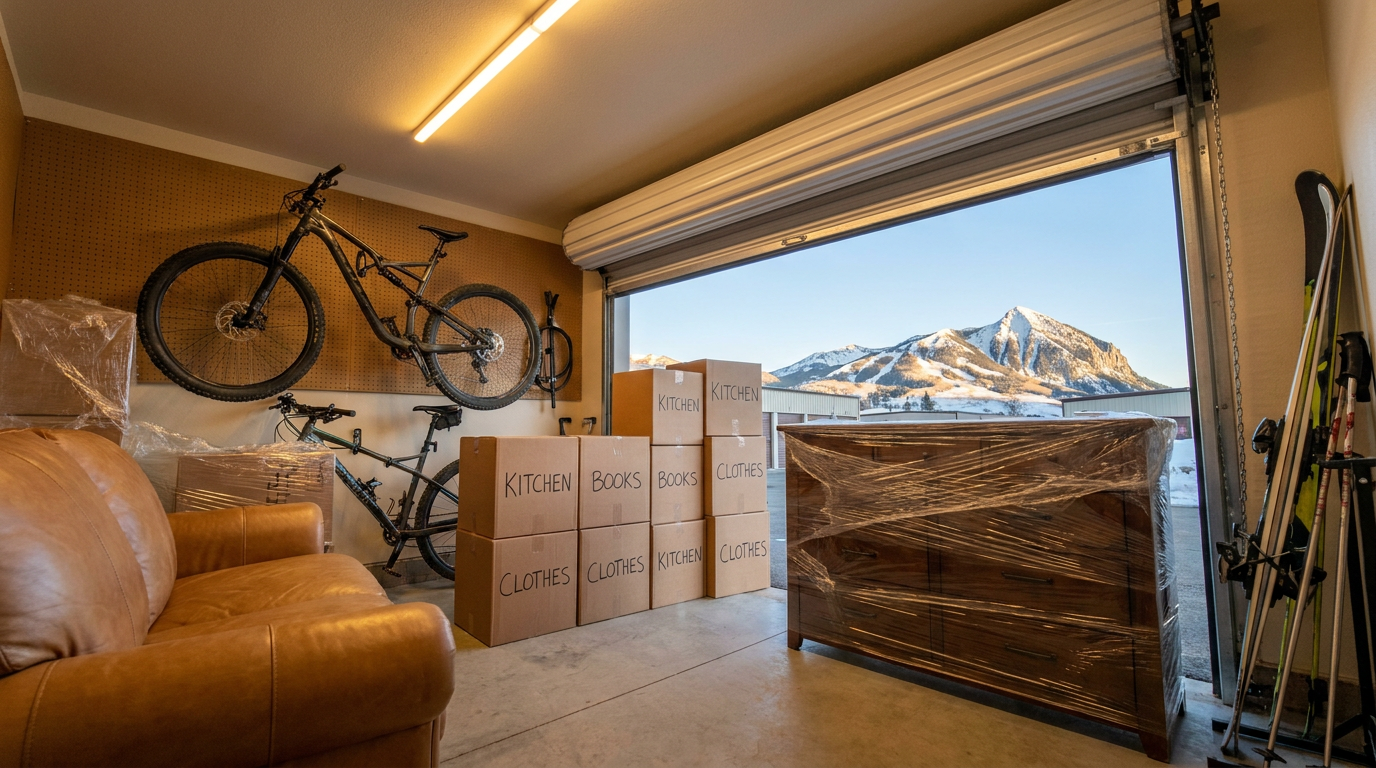
These units work best for frequent access, heavy items, and vehicle storage. At Slate River Storage, 10x21 and 10x25 drive-up units accommodate vehicles, trailers, and large household storage with climate control included.
Interior Units
Interior units sit inside climate-controlled buildings with hallway access. These units typically cost 10 to 20 percent less than drive-up options but require carrying items from parking areas.
Ground-floor interior units minimize carrying distance. Upper-floor units accessed by elevator or stairs cost less but add loading time. Consider your physical abilities and item weights when choosing.
Questions to Ask Before Signing
Asking the right questions prevents surprises and ensures the facility meets your needs. According to Storage Star's comprehensive guide, these questions reveal important details not always obvious in advertisements.
Essential Questions Checklist
What are the total monthly costs? Ask about base rent, administration fees, insurance requirements, and any other recurring charges. Request a written breakdown of all fees.
What are the access hours? Verify 24/7 access actually means unlimited entry. Some facilities restrict overnight access or close on holidays.
What security features exist? Ask about cameras, lighting, fencing, individual unit alarms, and on-site management. Request a facility tour to verify claims.
What is the move-out process? Understand notice requirements, final inspection procedures, and deposit refund timelines. Some facilities require 30 days written notice.
Can I change unit sizes? Life circumstances change. Confirm the facility allows transfers to larger or smaller units without penalty.
What happens if I miss a payment? Understand grace periods, late fees, and lien sale timelines. Ask about payment plan options for temporary financial difficulties.
Local Considerations for Crested Butte Storage
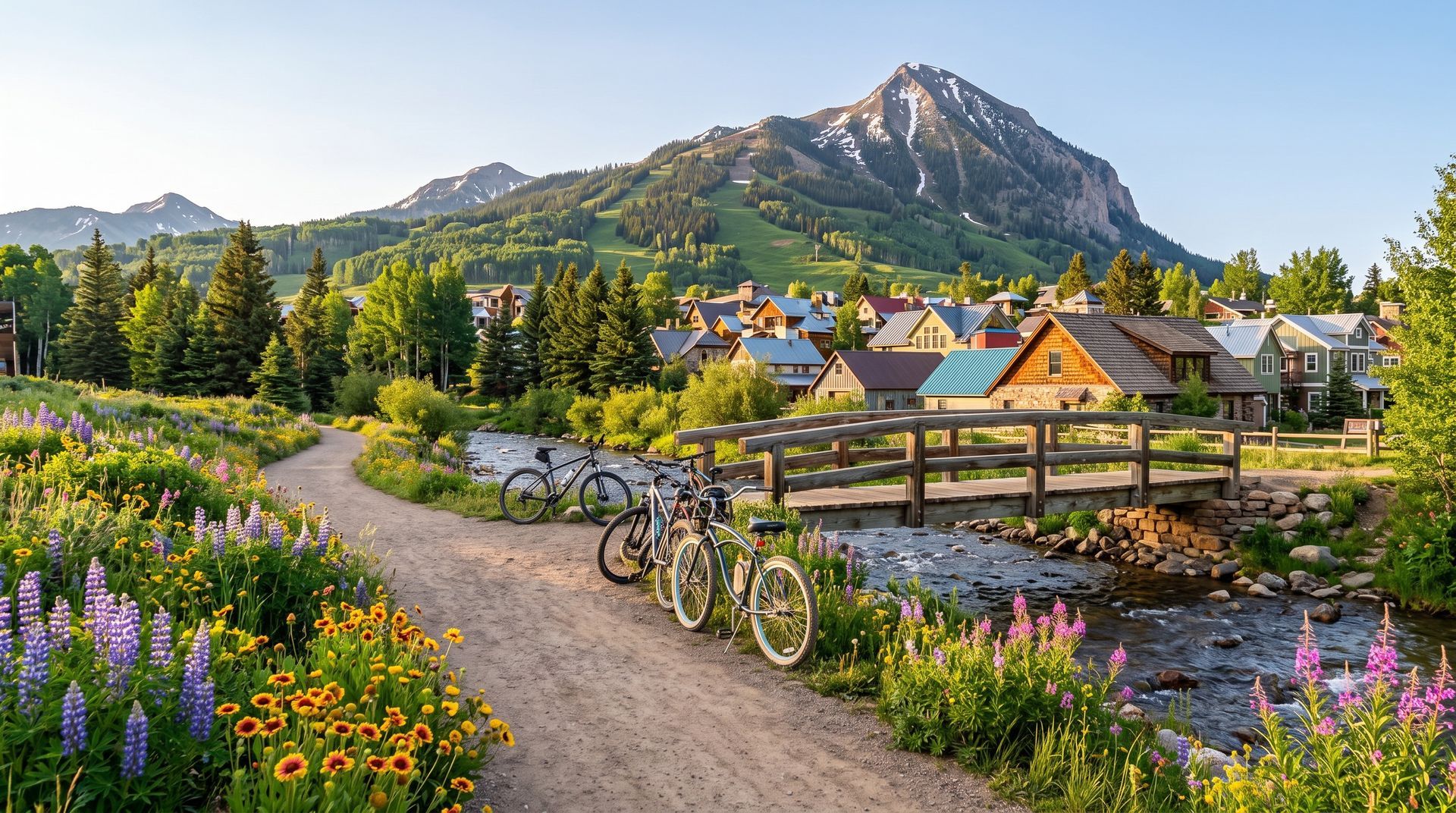
Mountain communities present unique storage challenges that coastal or lowland renters never encounter. Temperature extremes, seasonal access issues, and specialized equipment storage require facilities designed for these conditions.
Winter Weather Protection
Crested Butte experiences winter temperatures dropping to negative 20 degrees Fahrenheit. Standard storage units without heating expose belongings to freeze-thaw cycles that damage electronics, crack wooden furniture, and ruin liquids.
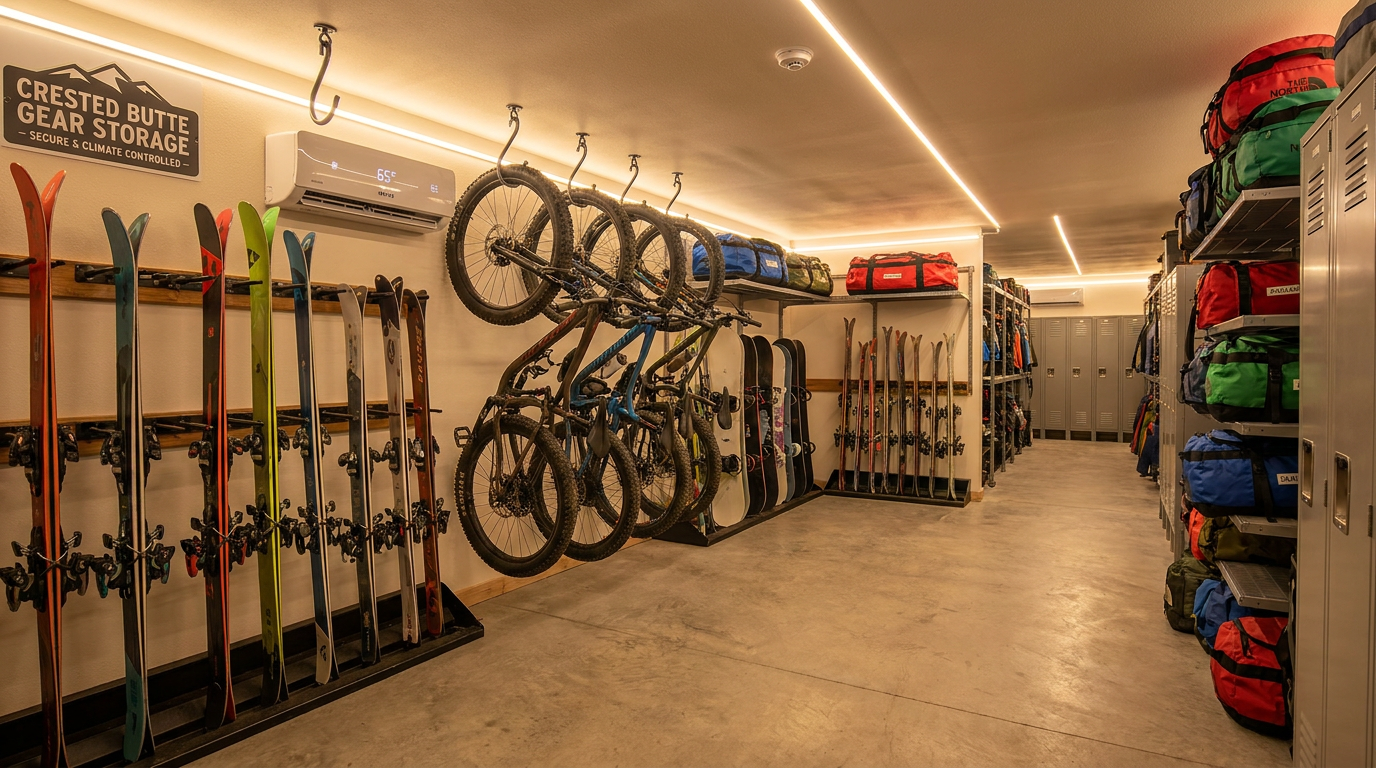
Heated storage units maintain consistent temperatures throughout Colorado's harsh winters. This protection matters for ski gear, outdoor equipment, and seasonal inventory stored by local businesses.
Outdoor Recreation Equipment
Skis, snowboards, mountain bikes, kayaks, and camping gear require proper storage to maintain performance and longevity. Climate-controlled environments prevent rust, warping, and material degradation between seasons.
Local ski shops and outdoor outfitters rely on business storage solutions in Crested Butte to manage seasonal inventory without paying year-round retail space costs.
Vacation Property Owners
Second-home owners in the Gunnison Valley need secure storage for furniture, decorations, and personal items during rental periods or extended absences. Month-to-month flexibility accommodates varying seasonal schedules.
Your Complete First-Time Storage Checklist
Use this comprehensive checklist to ensure nothing falls through the cracks during your first storage rental experience.
Before Visiting Facilities
- Complete the 4 D's process: Declutter, Donate, Discard, Determine
- Create detailed inventory list with measurements of large items
- Research facility options online and read reviews
- Determine climate control needs based on item types
- Set monthly budget including insurance and fees
- Gather required documents: ID, proof of address, payment method
During Facility Visits
- Tour multiple facilities to compare options
- Inspect actual available units, not just model units
- Verify security features match advertised claims
- Ask all questions from the essential checklist above
- Request written fee breakdown before signing
- Test access codes and review facility rules
Move-In Day
- Photograph empty unit before loading
- Bring quality disc lock if facility does not provide one
- Load heavy items first, lighter items on top
- Create access aisles for frequently needed items
- Label all boxes on multiple sides
- Update inventory list and photograph packed unit
Ongoing Management
- Set up automatic payments to avoid late fees
- Schedule quarterly reviews of storage needs
- Maintain updated inventory list
- Visit unit periodically to check condition
- Keep facility contact information accessible
Ready to get started? Contact our team by phone, text, or email. We are available 7 days a week to answer questions and help you find the right storage solution.
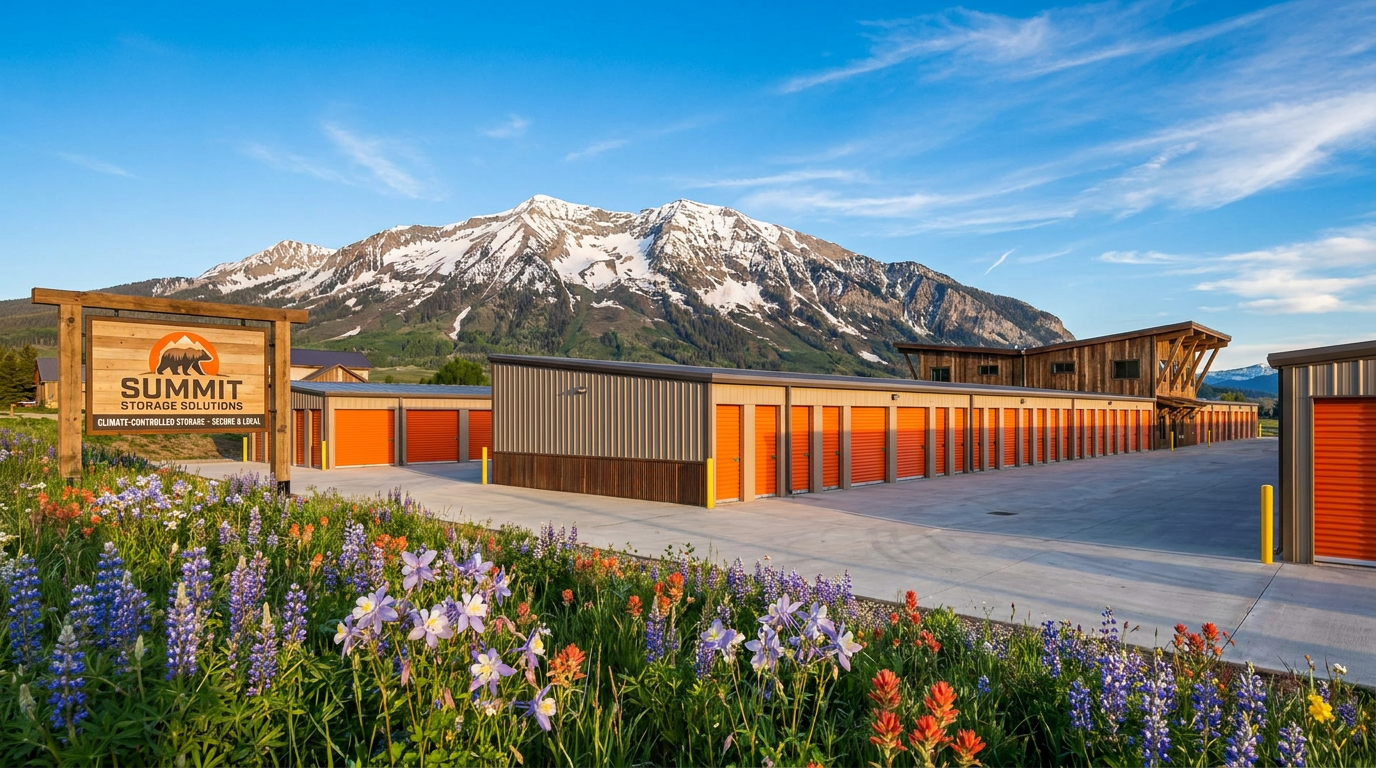
Slate River Storage is locally owned and operated by Kris and Kylie Travis, who have deep roots in the Gunnison Valley. Located just off Highway 135, our facility sits only 5 minutes from downtown Crested Butte and Mt. Crested Butte ski resort.
With 24/7 access, drive-up convenience, heated units, and month-to-month leasing with no deposit required, first-time renters find the straightforward, community-focused service they deserve.
|