5x5 Storage Unit Size Guide: What Fits and What to Expect |
| SELF STORAGE 5X5
⏱ 12 min read ·
📄 #2,349 words
A 5x5 storage unit offers 25 square feet of space, fitting 5-10 boxes, small furniture, and seasonal gear. Learn costs, packing tips, and ideal uses.
|
A 5x5 storage unit provides 25 square feet of floor space with ceilings typically reaching 8 to 10 feet high, creating roughly 200 to 250 cubic feet of total storage capacity. This compact space fits approximately 5 to 10 medium moving boxes, small furniture pieces like nightstands or end tables, and seasonal items including skis, snowboards, and holiday decorations.
| Key Points: | |
|---|---|
| • | Dimensions: 5 feet by 5 feet floor space (25 sq ft) with 8-10 foot ceilings for 200-250 cubic feet total |
| • | Capacity: Holds 5-10 medium boxes, one mattress (twin to queen stored vertically), and small furniture |
| • | Monthly cost: Ranges from $50-150 depending on location and climate control features |
| • | Best uses: Student storage, seasonal gear, closet overflow, and small business archives |
| • | Size comparison: Equivalent to a standard walk-in closet or large hallway closet |
What Are the Exact Dimensions of a 5x5 Storage Unit?
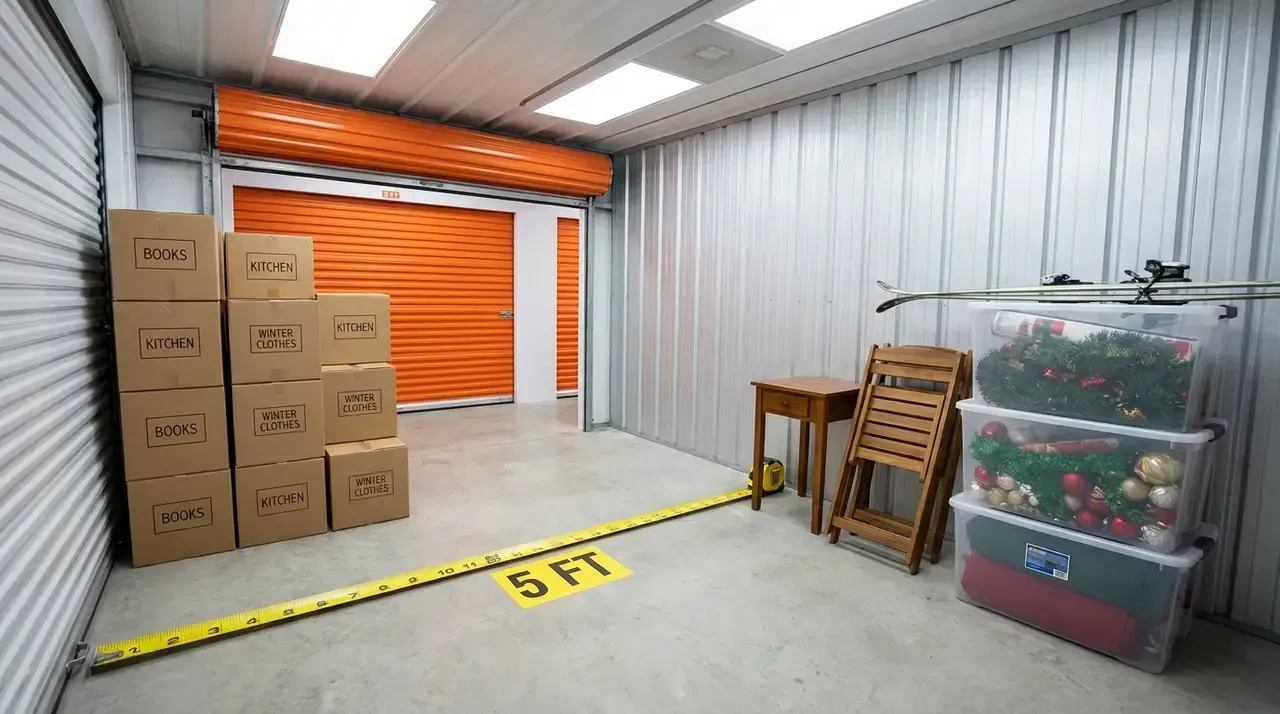
According to Extra Space Storage's size guide, a standard 5x5 unit measures exactly 5 feet wide by 5 feet deep. Most facilities maintain ceiling heights between 8 and 10 feet, though some interior units on upper floors may have slightly lower clearance of 6 to 7 feet.
The Self Storage Association reports that 5x5 units represent the smallest standard size offered by approximately 85% of storage facilities nationwide. This makes them the entry-level option for renters who need minimal space. The 25 square feet of floor area translates to roughly the footprint of a queen-size mattress laid flat.
For perspective, a typical walk-in closet in American homes measures between 25 and 50 square feet according to the National Association of Home Builders. A 5x5 storage unit falls at the smaller end of that range, making the closet comparison particularly useful for visualization purposes.
What Can You Actually Fit in a 5x5 Storage Unit?
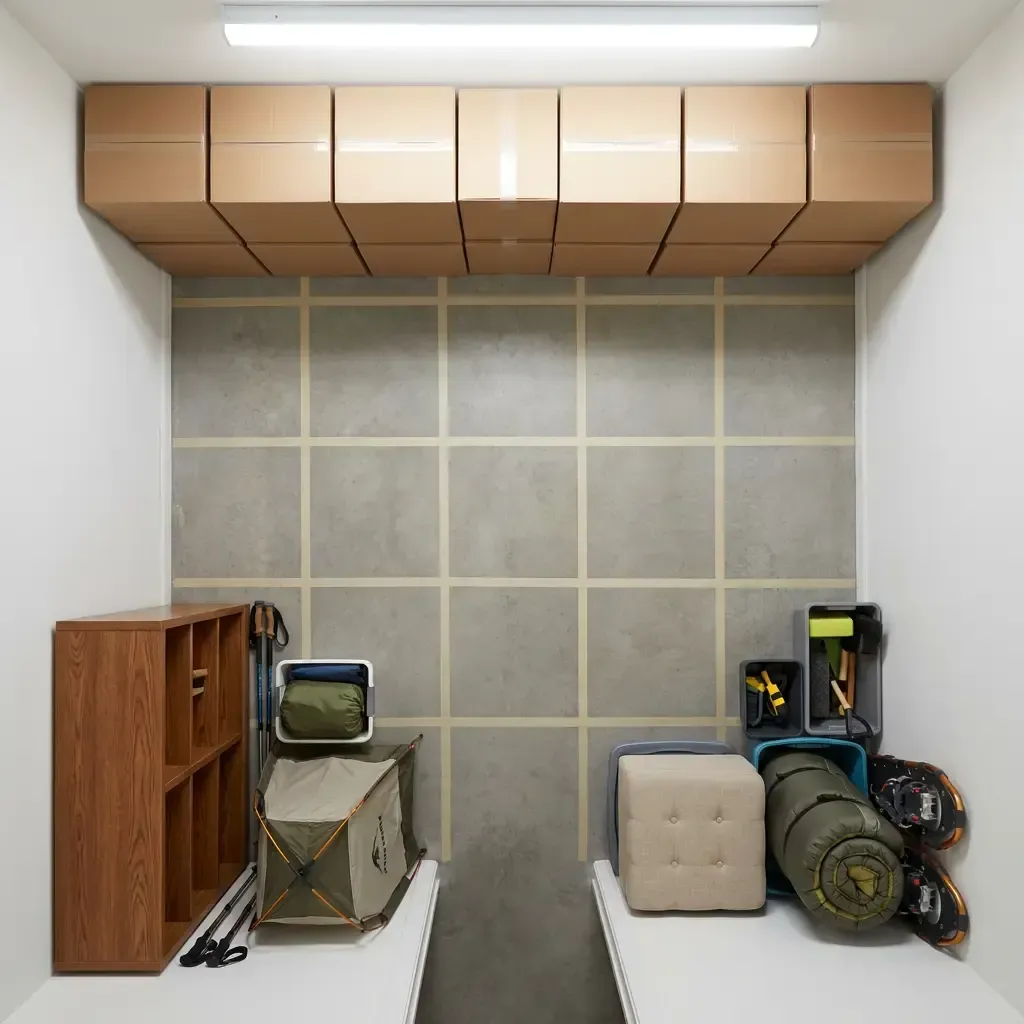
The practical capacity of a 5x5 unit depends heavily on packing strategy. Public Storage's 5x5 guide notes that vertical stacking can nearly double effective capacity compared to simply placing items on the floor. Here is what typically fits well in this space.
Furniture That Fits a 5x5 Unit
Small furniture pieces work well in 5x5 storage. Nightstands, end tables, small desks, folding chairs, and compact bookshelves all fit without difficulty. A twin or full mattress stores flat, while a queen mattress requires standing on its side against the wall. Disassembled bed frames, headboards, and small dressers under 36 inches wide can fit when positioned strategically.
Larger items present challenges. A standard three-seat sofa measures 84 to 96 inches long, exceeding the 60-inch depth of a 5x5 unit unless stored at an angle or on its end. King-size mattresses at 76 by 80 inches cannot fit through most unit doorways. Full-size dressers, dining tables, and sectional couches require larger units.
Boxes and Container Capacity
Medium moving boxes measuring 18 by 18 by 16 inches stack efficiently in 5x5 units. Floor space accommodates 6 to 9 boxes in a single layer. With an 8-foot ceiling, stacking 4 to 5 boxes high creates capacity for 24 to 45 medium boxes total. Mixing box sizes and using smaller boxes to fill gaps increases this number.
| Box Size | Dimensions (inches) | Approximate Quantity in 5x5 |
|---|---|---|
| Small | 16 x 12 x 12 | 40-60 boxes |
| Medium | 18 x 18 x 16 | 24-45 boxes |
| Large | 18 x 18 x 24 | 18-30 boxes |
| Extra Large | 24 x 18 x 24 | 12-20 boxes |
Outdoor and Sports Equipment
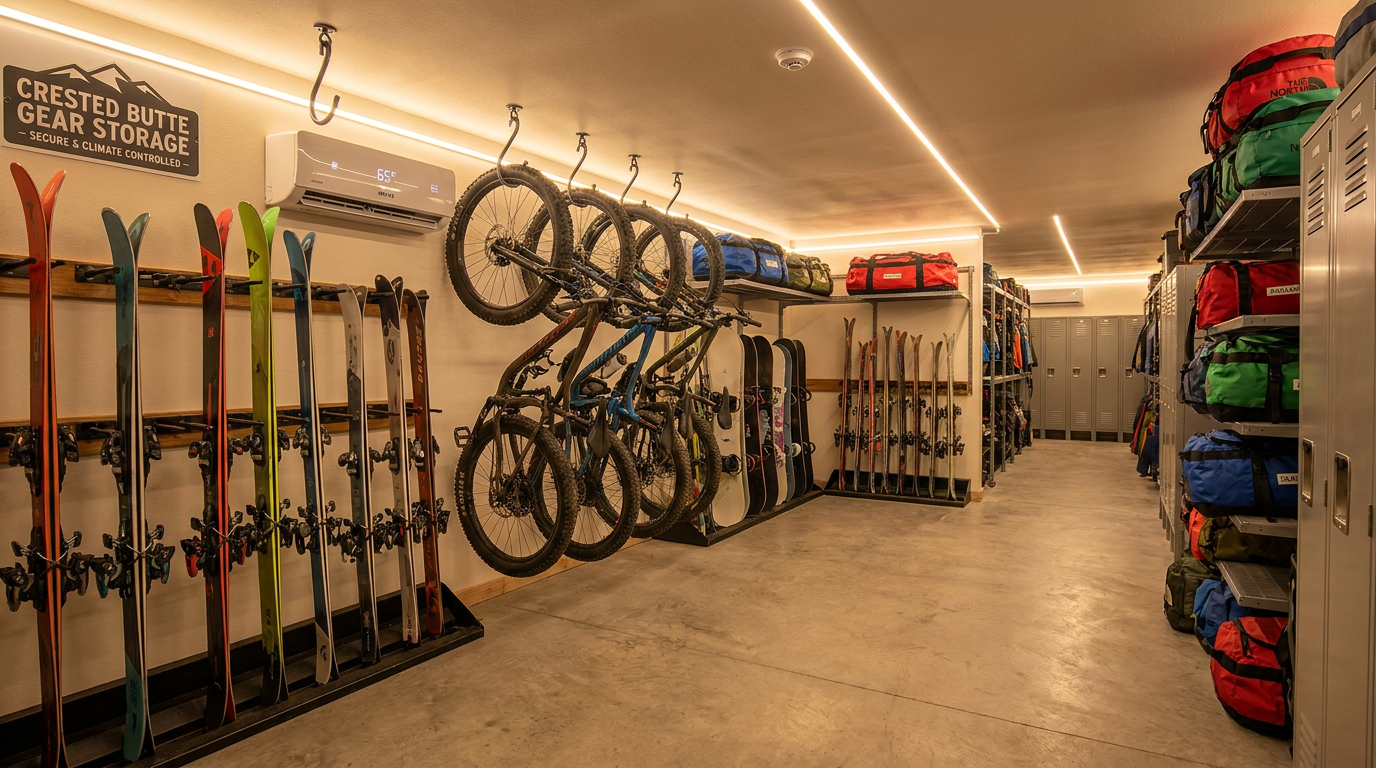
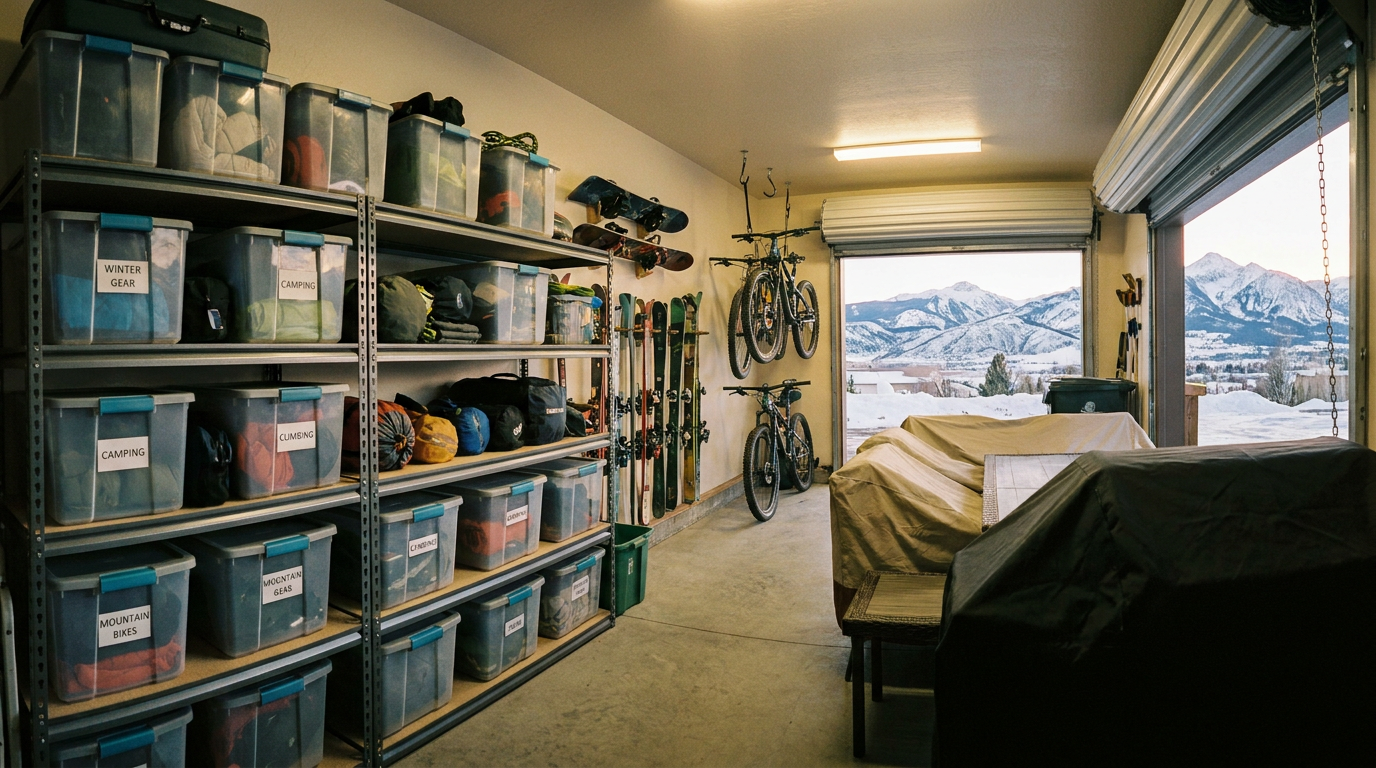
Mountain towns like Crested Butte, Colorado see heavy demand for 5x5 units to store outdoor gear. Skis and snowboards up to 180 centimeters fit vertically with room to spare. Bicycles store well when hung on wall hooks or stood on end. Camping equipment including tents, sleeping bags, and backpacks consolidates into 2 to 3 large bins.
Golf bags, fishing rods, climbing gear, and kayak paddles all fit within 5x5 dimensions. However, full-size kayaks at 10 to 12 feet long and canoes exceeding 14 feet require larger units or specialized outdoor storage. Surfboards under 8 feet can fit diagonally.
How Much Does a 5x5 Storage Unit Cost?
National pricing data from U-Haul's storage guide shows 5x5 units ranging from $30 to $150 per month depending on location, features, and demand. Urban areas with high real estate costs command premium rates, while rural facilities often charge less.
Factors That Affect 5x5 Storage Pricing
Climate control adds $15 to $50 per month to base rates. Facilities maintaining temperatures between 55 and 80 degrees Fahrenheit protect sensitive items from extreme heat, cold, and humidity damage. In mountain climates where winter temperatures drop below zero, climate-controlled units prevent freeze damage to electronics, wooden furniture, and musical instruments.
Ground-floor access typically costs more than upper-level units requiring stairs or elevators. Drive-up access commands a premium over interior hallway units. Security features including individual unit alarms, 24-hour video surveillance, and gated entry also influence pricing.
| Unit Type | Typical Monthly Cost | Best For |
|---|---|---|
| Standard Interior | $30-70 | Boxes, non-sensitive items |
| Climate Controlled | $50-120 | Electronics, wood, documents |
| Drive-Up Access | $45-100 | Frequent access needs |
| Premium Location | $75-150 | Urban areas, high demand |
5x5 vs 5x10 Storage Unit: Which Size Do You Need?
The decision between a 5x5 and 5x10 storage unit comes down to inventory volume and access requirements. A 5x10 doubles floor space to 50 square feet, accommodating the contents of a small studio apartment or one-bedroom unit. The 5x5 works better for supplemental storage rather than complete room contents.
When a 5x5 Is the Right Choice
Choose a 5x5 unit when storing seasonal items you access 2 to 4 times per year. Holiday decorations, winter clothing, and off-season sports gear fit this pattern. Students storing dorm contents over summer break typically need only 5x5 capacity. Small business owners archiving 2 to 3 years of records find this size adequate.
The 5x5 also works well as overflow closet space for items you want to keep but rarely use. Baby gear between children, inherited items awaiting decisions, and hobby supplies that outgrew home storage all fit this category.
When to Upgrade to a 5x10
Move up to a 5x10 when storing furniture beyond small accent pieces. A full bedroom set including bed frame, mattress, dresser, and nightstands requires the larger footprint. The same applies when storing multiple bicycles, full sets of camping gear for a family, or home staging inventory.
If you need a center aisle for regular access to items at the back, the 5x10 provides that walkway while still leaving substantial storage space. The 5x5 requires removing front items to reach anything stored behind them.
Best Practices for Packing a 5x5 Storage Unit
Maximizing a 5x5 unit requires strategic planning. The limited floor space makes vertical organization essential. ConsumerAffairs research indicates proper packing techniques can increase effective capacity by 40 to 60 percent compared to haphazard loading.
Step-by-Step Packing Strategy
Start with the heaviest, sturdiest items against the back wall. Dressers, file cabinets, and large plastic bins create a stable foundation. Place mattresses and headboards vertically along side walls, leaving the center open for boxes. Stack boxes with heaviest on bottom, lightest on top, keeping frequently needed items accessible near the front.
Disassemble furniture before storage whenever possible. Remove table legs, bed frames, and shelving units. Wrap components together with moving blankets and tape. This approach often allows a full furniture piece to fit where the assembled version would not.
Climate Considerations for Mountain Storage
In Colorado mountain towns where temperatures range from negative 20 to 90 degrees Fahrenheit annually, climate control protects valuable items. Wooden furniture expands and contracts with temperature swings, loosening joints and cracking finishes. Electronics suffer condensation damage during rapid temperature changes. Leather goods dry and crack in low humidity conditions.
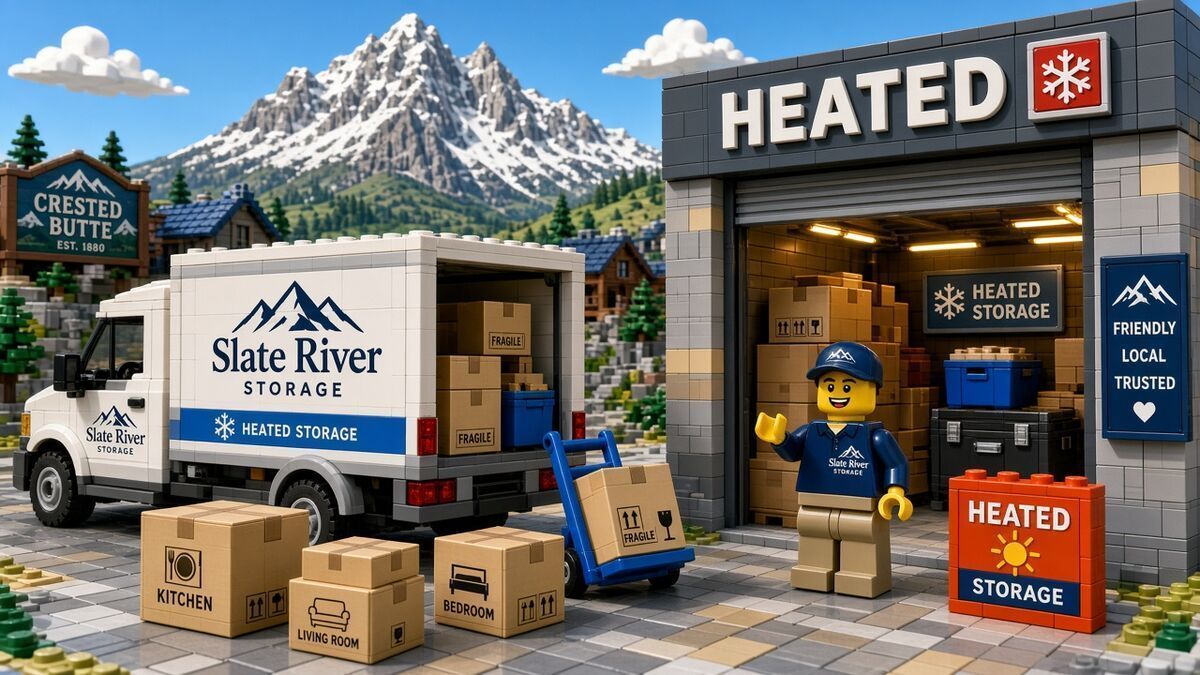
Heated storage units maintaining 50 to 65 degrees Fahrenheit prevent freeze damage without the cost of full climate control. This option works well for ski equipment, camping gear, and seasonal clothing in mountain communities. For electronics, documents, and fine furniture, full climate control between 55 and 80 degrees with humidity management provides optimal protection.
Common Uses for 5x5 Storage Units
The compact size of 5x5 units makes them versatile for specific storage needs. Understanding common use cases helps determine whether this size matches your requirements.
Student and Seasonal Storage
College students represent a significant portion of 5x5 renters according to the Self Storage Association. A typical dorm room's contents, excluding furniture provided by the university, fits within 25 square feet. Mini-fridges, microwaves, bedding, clothing, and personal items consolidate into 8 to 12 boxes plus a few loose items.
Seasonal residents in vacation destinations use 5x5 units to store off-season gear locally rather than transporting it home. Ski town visitors keep winter equipment in storage from April through November. Summer visitors to lake communities store boats accessories and water sports gear during winter months.
Business Document and Inventory Storage
Small businesses frequently rent 5x5 units for records retention. IRS guidelines require keeping tax records for 3 to 7 years depending on document type. A 5x5 unit holds approximately 30 to 40 standard file boxes, representing 6 to 10 years of records for a typical small business. For businesses needing larger commercial storage solutions, dedicated business storage options provide expanded capacity.
Retail businesses use 5x5 units for overflow inventory, marketing materials, and seasonal merchandise. The size works well for e-commerce sellers storing 50 to 100 small to medium products. Trade show displays, promotional banners, and sample kits also fit this footprint.
What Does NOT Fit in a 5x5 Storage Unit?
Understanding limitations prevents frustration and additional moving costs. Several common items exceed 5x5 capacity or create access problems within the confined space.
Items Too Large for 5x5 Units
Standard side-by-side washer and dryer pairs measuring 54 to 60 inches wide combined cannot fit through most 5x5 doorways. Stackable units sometimes fit, but verify door width before attempting. Full-size refrigerators at 30 to 36 inches wide and 66 to 70 inches tall fit technically but leave minimal room for anything else.
Large sectional sofas, L-shaped desks, and king-size bed frames exceed practical 5x5 limits. Pool tables, even disassembled, require larger units due to slate weight and component dimensions. Exercise equipment including treadmills, ellipticals, and multi-station home gyms rarely fits a 5x5 footprint.
When Contents Exceed 5x5 Capacity
A full studio apartment's contents typically require 5x10 or larger storage. One-bedroom apartments need 10x10 units. If your inventory includes multiple furniture pieces beyond small accent items, plan for the next size up. The price difference between 5x5 and 5x10 units averages $20 to $50 monthly, often less than the hassle of cramming items into inadequate space.
Frequently Asked Questions About 5x5 Storage Units
How big is a 5x5 room self-storage?
A 5x5 self-storage unit measures 5 feet by 5 feet, providing 25 square feet of floor space. With standard 8-foot ceilings, total volume reaches approximately 200 cubic feet. This equals the size of a typical walk-in closet or large hallway closet in residential homes.
How much stuff can a 5x5 storage unit fit?
A well-packed 5x5 unit holds 5 to 10 medium moving boxes on the floor with vertical stacking allowing 24 to 45 total boxes. Add small furniture pieces like nightstands, end tables, and small dressers. The space accommodates one mattress (up to queen size stored vertically), several pieces of sports equipment, and seasonal items.
What does a 5 ft by 5 ft storage unit look like?
Picture a standard walk-in closet or the interior of a minivan cargo area. The space measures roughly the same as a queen-size mattress laid flat on the floor. Standing inside, you can extend both arms and nearly touch opposite walls. Most 5x5 units feature a single roll-up door 4 to 5 feet wide.
Can a 5x5 storage unit hold a full-size bed?
A full-size mattress measuring 54 by 75 inches fits flat on the floor of a 5x5 unit with minimal clearance. However, this leaves almost no room for other items. Standing the mattress vertically against the wall frees floor space for boxes and other belongings. Disassembled bed frames fit alongside the mattress when positioned carefully.
Is climate control necessary for a 5x5 unit?
Climate control becomes essential when storing electronics, wooden furniture, musical instruments, photographs, documents, or leather goods for more than 3 to 6 months. In regions with temperature extremes below 32 degrees or above 90 degrees Fahrenheit, climate control prevents warping, cracking, condensation damage, and mold growth. For basic box storage of clothing and household items, standard units often suffice. Learn more about protecting your belongings with storage protection plans.
How do I choose between a 5x5 and larger unit?
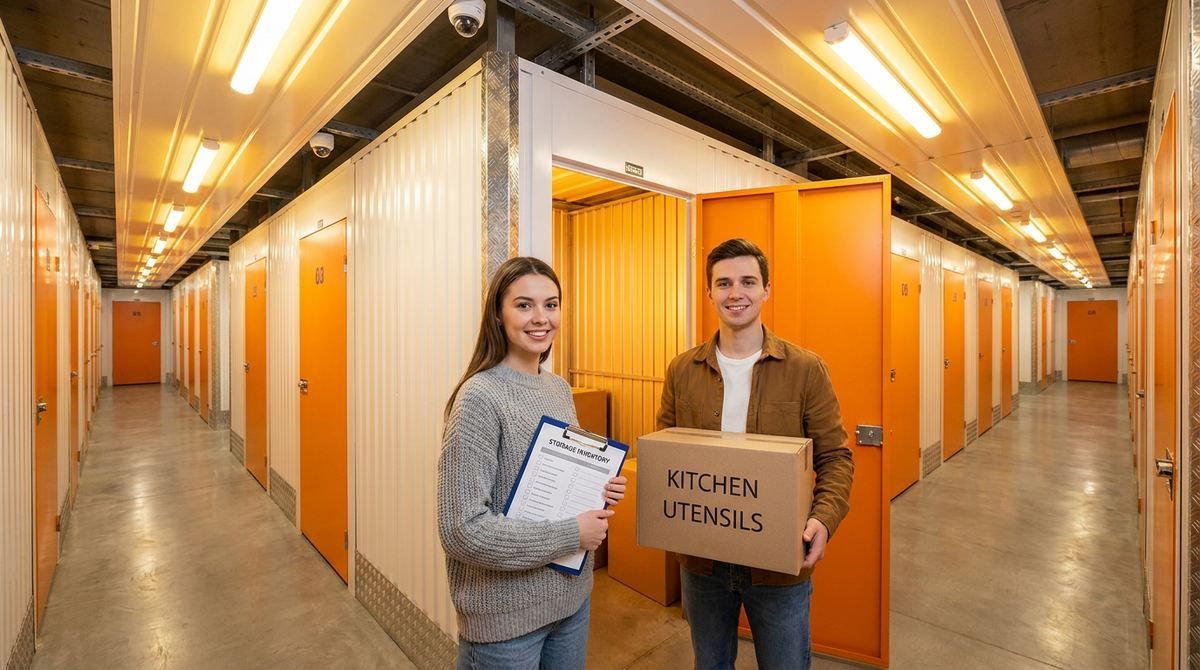
Create an inventory list before selecting unit size. If your list includes more than one large furniture piece or exceeds 15 medium boxes, consider a 5x10. If you need regular access to items stored in the back, the larger unit provides aisle space. When uncertain, visiting a facility to see empty units of both sizes helps visualize capacity. Many facilities offer guidance on sizing based on your specific needs.
Finding the Right 5x5 Storage Unit
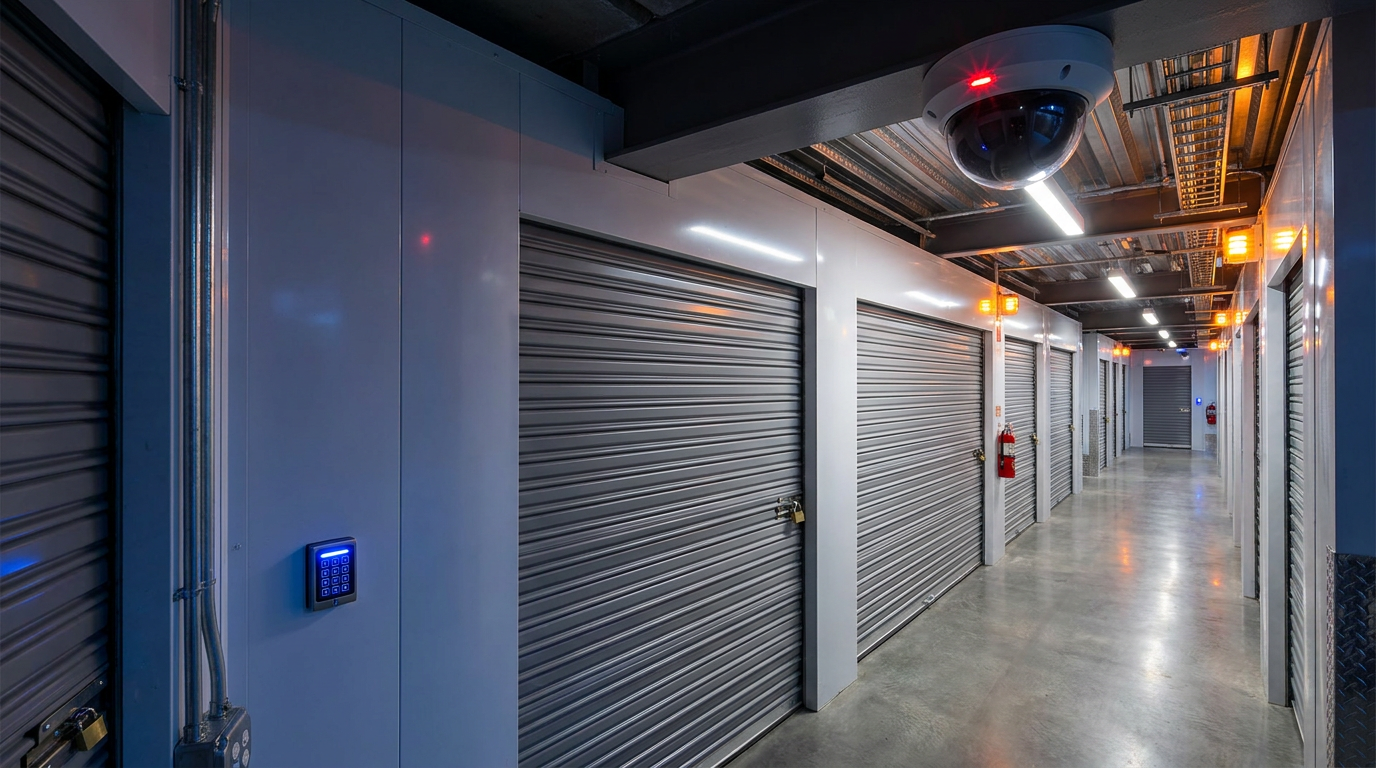
Selecting a storage facility involves more than price comparison. Security features, access hours, and location convenience significantly impact the storage experience. Facilities offering 24/7 access provide flexibility for odd-hour retrieval needs. Gated entry with individual access codes, video surveillance, and well-lit premises deter theft and vandalism.
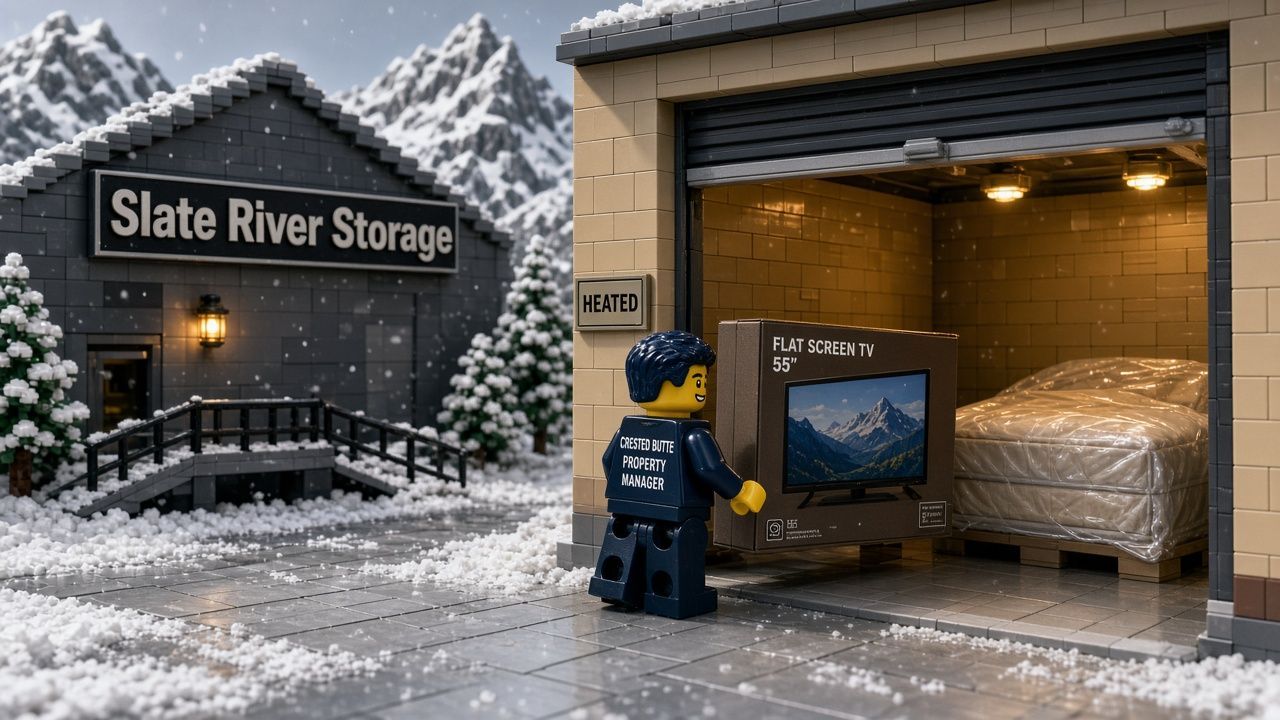
In mountain communities like Crested Butte, heated storage protects belongings from harsh winter conditions. Facilities located near major highways simplify loading and unloading during moves. Month-to-month leasing without long-term commitments provides flexibility as storage needs change. Locally owned facilities often provide more personalized service than national chains.
Before signing a rental agreement, visit the facility to inspect unit cleanliness, verify dimensions, and confirm ceiling height. Ask about move-in specials, as many facilities offer the first month free or at reduced rates. Review the facility's policy on locks, insurance requirements, and prohibited items to avoid surprises.
|