Ground Floor Storage Units vs Upstairs: Which to Choose |
| GROUND FLOOR STORAGE UNIT BENEFITS VS UPSTAIRS UNITS
⏱ 15 min read ·
📄 #2,846 words
Ground floor storage units offer easier access and faster loading for heavy items. Compare benefits, costs, and when upstairs units make sense in Colorado.
|
G round floor storage units provide easier access, faster loading times, and safer handling for heavy or bulky items compared to upstairs units. Upstairs units typically cost 10 to 15 percent less per month but require elevator or stair access, making them better suited for lightweight items stored long term with infrequent visits.
| Key Points: | |
|---|---|
| • | Ground floor units eliminate stairs and elevators, reducing move-in time by 30 to 50 percent |
| • | Drive-up ground floor units allow vehicle-to-door loading in under 2 minutes per trip |
| • | Upstairs units cost $20 to $50 less monthly but add 15 to 25 minutes per loading session |
| • | Heavy items over 50 pounds (furniture, appliances, outdoor gear) require ground floor access for safe handling |
| • | In mountain climates like Crested Butte, ground floor units minimize exposure to snow, ice, and sub-zero temperatures during loading |
What Defines Ground Floor vs Upstairs Storage Units
Ground floor storage units sit at the entrance level of a facility, often with direct exterior access or drive-up capability. According to ConsumerAffairs research on storage unit pricing, location within a facility significantly impacts both cost and convenience, with ground-level units commanding premium rates.
Upstairs units occupy second floors or higher in multi-story facilities. These units require customers to use elevators, stairwells, or both to access their belongings. The Self Storage Association reports that multi-story facilities have grown 40 percent since 2018, particularly in urban areas where land costs push construction upward.
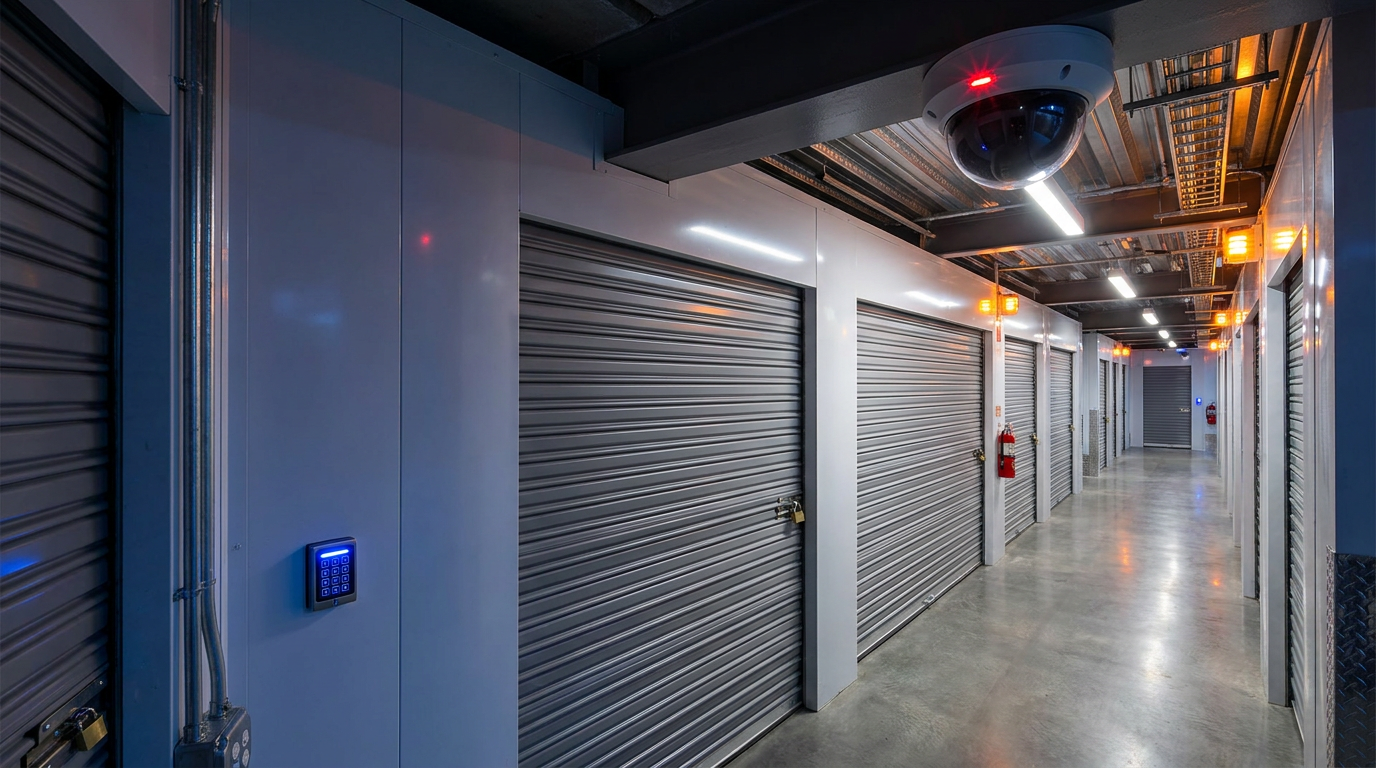
Both unit types typically offer identical security features: gated access, digital surveillance, and individual unit locks. The primary difference lies entirely in accessibility and the physical effort required to move items in and out.
Seven Core Benefits of Ground Floor Storage Units
1. Faster Loading and Unloading Times
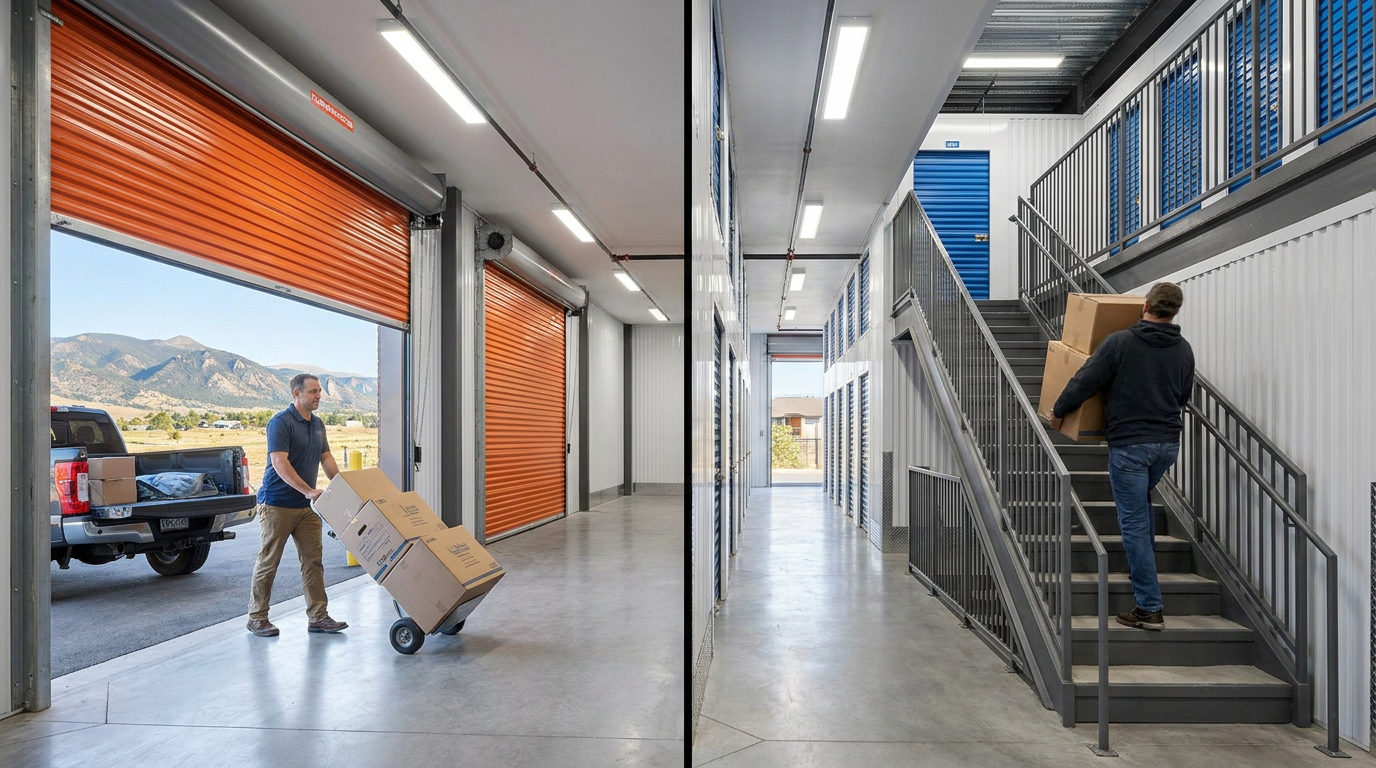
Ground floor units reduce total move-in time by 30 to 50 percent compared to upstairs alternatives. Without elevator waits or stair navigation, customers complete each loading trip in 2 to 5 minutes versus 8 to 15 minutes for upper floors.
For a typical one-bedroom apartment move requiring 15 to 20 trips, this translates to saving 90 to 150 minutes. Public Storage promotes ground-level drive-up units specifically for quick loading and unloading efficiency.
2. Safer Handling of Heavy Items
Items weighing over 50 pounds create significant injury risk when carried up stairs or maneuvered through tight elevator doors. The Bureau of Labor Statistics reports that manual material handling causes 36 percent of workplace injuries involving days away from work.
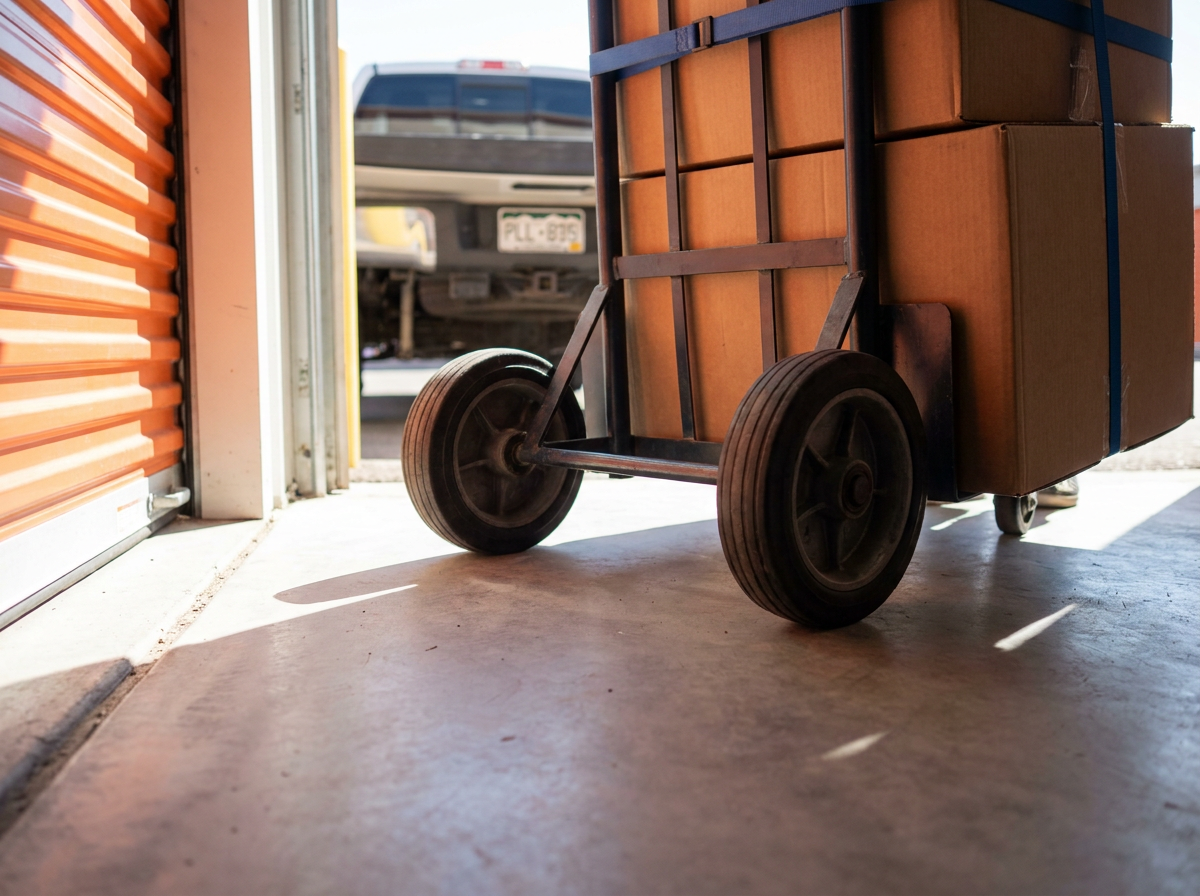
Ground floor access eliminates vertical lifting entirely. Customers can use dollies, hand trucks, and furniture sliders on level surfaces without navigating inclines or steps. This matters especially for appliances (150 to 300 pounds), sofas (100 to 200 pounds), and loaded boxes exceeding 40 pounds.
3. Drive-Up Vehicle Access
Most ground floor units in single-story facilities offer drive-up access, allowing customers to park vehicles directly at their unit door. This configuration provides three distinct advantages over interior hallway units.
First, the carrying distance drops to under 10 feet versus 50 to 200 feet for interior units. Second, loading occurs under weather protection of the vehicle and unit overhang. Third, customers can load directly from truck beds, trailers, or SUV cargo areas without intermediate staging.
4. Better Accessibility for Frequent Visits
Customers who access storage weekly or monthly benefit most from ground floor convenience. Business owners rotating inventory, contractors retrieving tools, and seasonal residents swapping gear make 12 to 50 visits annually.
At 15 minutes saved per visit, frequent users reclaim 3 to 12 hours yearly by choosing ground floor units. This time savings compounds when multiple items require retrieval across separate trips.
5. Reduced Physical Strain
Eliminating stairs and elevator navigation reduces cumulative physical exertion during moves. A 2023 study from the American College of Sports Medicine found that stair climbing with loads increases heart rate 40 to 60 percent above level walking with identical weights.
For customers managing moves independently or with limited help, ground floor access makes self-storage genuinely self-serviceable. Older adults, those with mobility limitations, and anyone recovering from injury can access belongings without assistance.
6. No Elevator Dependencies
Multi-story facilities depend on elevators for upper floor access. When elevators experience maintenance issues, capacity limits, or peak-time congestion, upstairs customers face delays or temporary inaccessibility.
Ground floor units provide guaranteed access regardless of mechanical systems. During power outages, ground floor customers retain full access while upper floors may become temporarily unreachable depending on facility backup systems.
7. Weather Protection During Loading
In climates with extreme temperatures, precipitation, or seasonal hazards, ground floor units minimize exposure time during loading. This benefit intensifies in mountain communities where winter conditions include sub-zero temperatures, heavy snowfall, and icy surfaces.
Drive-up ground floor units allow customers to complete loading without walking across snow-covered parking lots or navigating frozen walkways. The reduced outdoor exposure protects both customers and belongings from weather damage during transfer.

When Upstairs Storage Units Make Sense
Despite ground floor advantages, upstairs units serve specific customer needs effectively. Understanding when upper-level storage works helps customers make informed decisions based on their actual usage patterns.
Lower Monthly Costs
Upstairs units typically rent for 10 to 15 percent less than equivalent ground floor spaces. According to Angi's storage pricing analysis, a 10x10 unit averaging $80 to $160 monthly might cost $70 to $140 on upper floors.
Over a 12-month lease, this difference saves $120 to $240 annually. For budget-conscious customers storing items long term, this savings justifies the access inconvenience.
Light, Boxable Items
Customers storing primarily documents, clothing, holiday decorations, or small household items can manage elevator or stair access without difficulty. Boxes under 30 pounds pose minimal handling challenges even across multiple floors.
Archive storage, seasonal wardrobe rotation, and document retention rarely require frequent access. These use cases align well with upstairs unit economics.
Infrequent Access Patterns
Customers visiting storage once or twice yearly gain minimal benefit from ground floor convenience. The time savings per visit matters less when visits occur rarely.
Long-term storage for estate items, college furniture during gap years, or belongings during extended travel fits upstairs units well. The access inconvenience occurs so infrequently that cost savings dominate the decision.
Perceived Security Benefits
Some customers believe upper floor units offer enhanced security through reduced accessibility. While no statistical evidence supports this perception, the psychological comfort factor influences some decisions.
In practice, modern storage facilities apply identical security measures across all floors: individual unit alarms, hallway cameras, and controlled access systems. Floor level does not correlate with break-in rates at professionally managed facilities.
Ground Floor vs Upstairs: Complete Comparison
| Factor | Ground Floor Units | Upstairs Units |
|---|---|---|
| Monthly Cost | $80 to $400+ depending on size | 10 to 15% lower than ground floor |
| Loading Time per Trip | 2 to 5 minutes | 8 to 15 minutes |
| Heavy Item Suitability | Excellent for 50+ pound items | Challenging, increased injury risk |
| Drive-Up Access | Often available | Never available |
| Elevator Dependency | None | Required for access |
| Best For | Frequent access, heavy items, businesses | Long-term storage, light items, budget priority |
| Weather Exposure | Minimal with drive-up | Moderate to high |
| Availability | Higher demand, may have waitlists | Generally more available |
Ground Floor Storage in Mountain Climates: The Crested Butte Factor
Mountain communities like Crested Butte, Colorado present unique storage considerations that amplify ground floor benefits. Winter temperatures regularly drop below zero degrees Fahrenheit, snowfall accumulates 200 to 300 inches annually, and icy conditions persist from November through April.
Winter Loading Challenges
Carrying items across snow-covered parking lots and up exterior stairs creates slip hazards and extends exposure to extreme cold. Ground floor drive-up units allow customers to pull vehicles directly to unit doors, minimizing outdoor time to under 60 seconds per trip.
For residents storing seasonal gear, holiday decorations, or rotating winter and summer equipment, this convenience difference proves substantial. A 20-minute loading session at a drive-up unit might require 45 to 60 minutes at an upstairs interior unit during winter conditions.
Outdoor Recreation Equipment
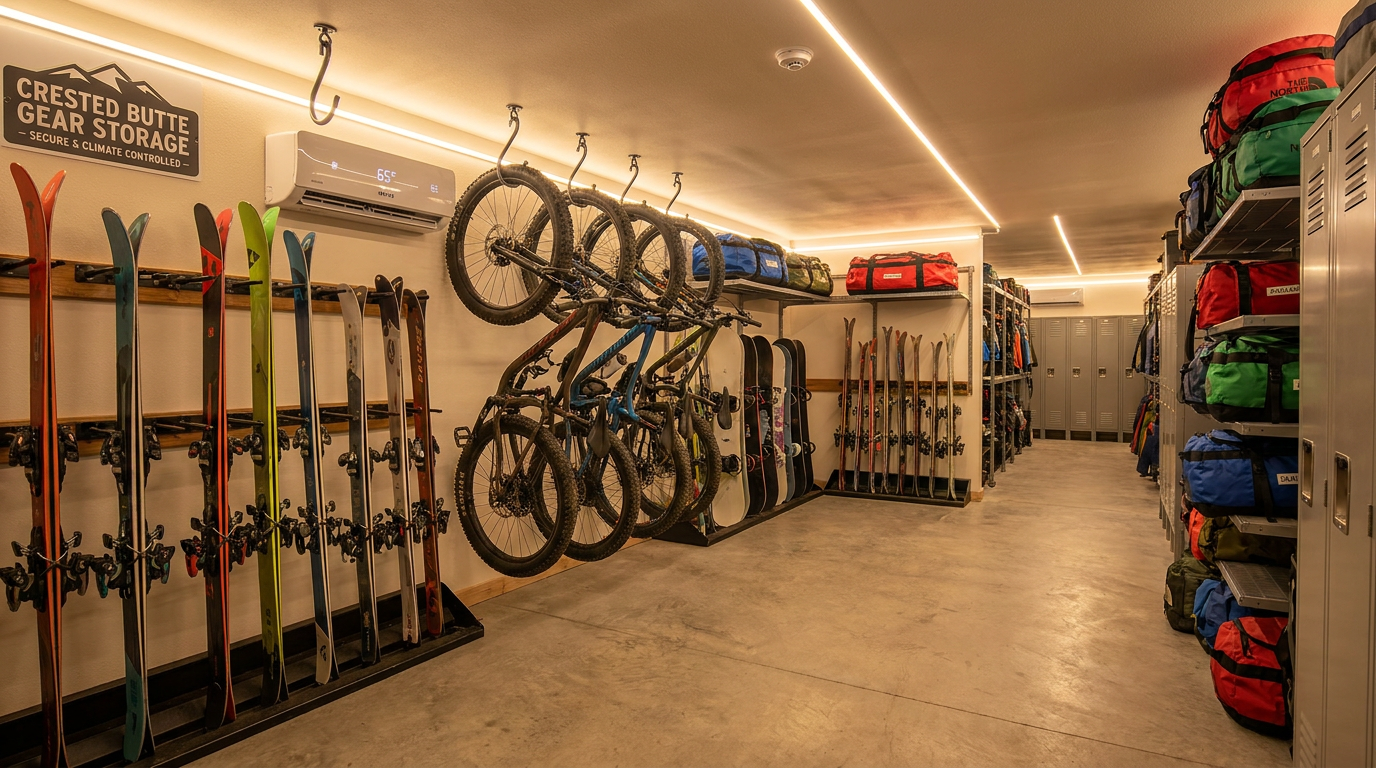
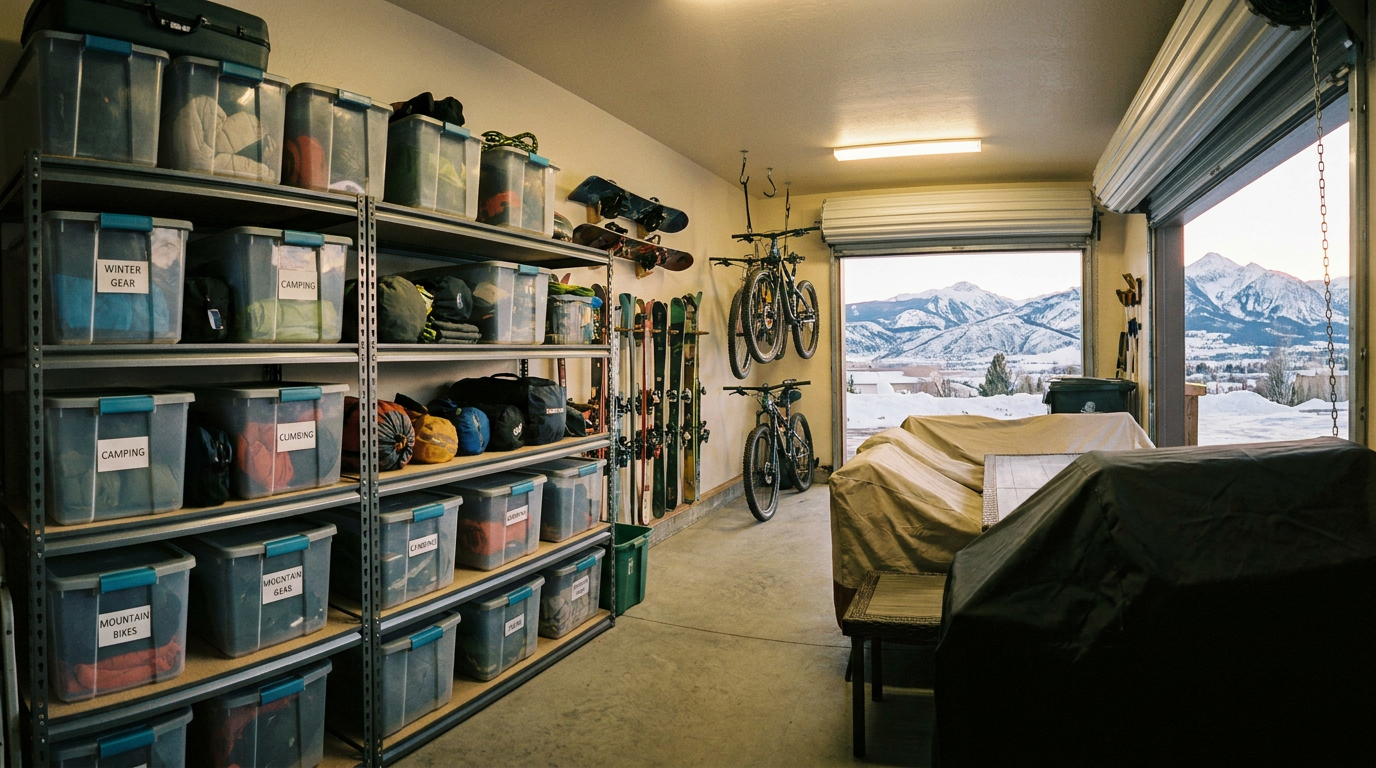
Crested Butte residents and visitors store skis, snowboards, mountain bikes, kayaks, camping gear, and other bulky outdoor equipment. These items share common characteristics: awkward shapes, significant weight, and frequent access needs during their respective seasons.
Ground floor units accommodate this equipment without the elevator size restrictions that limit what fits in multi-story facilities. Skis and bikes fit through drive-up doors easily but may not clear elevator dimensions or hallway turns in interior buildings.
Business and Contractor Needs
Local businesses including ski shops, bike outfitters, vacation rental managers, and construction contractors require storage that supports operational efficiency. Daily or weekly inventory rotation, tool retrieval, and equipment staging demand quick access.
Ground floor units with drive-up access function as operational extensions rather than passive storage. Contractors can load trucks in minutes rather than scheduling extended retrieval sessions. Seasonal businesses can rotate inventory efficiently as tourism patterns shift. Learn more about business storage solutions designed for commercial operations.
Climate Control: A Separate Decision from Floor Level
Climate control and floor level represent independent storage decisions, though they often intersect in facility design. Understanding this distinction helps customers optimize both factors.
What Climate Control Provides
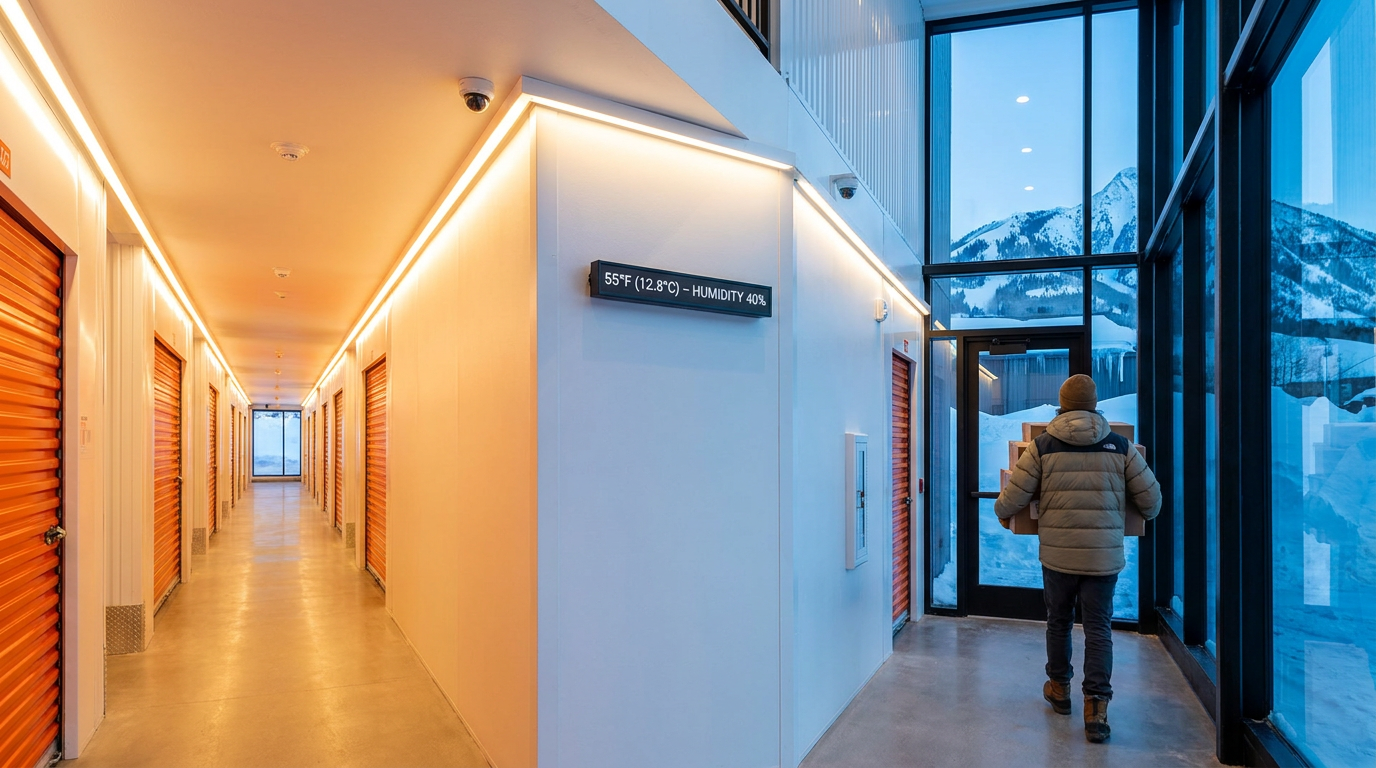
Climate-controlled units maintain temperatures between 55 and 80 degrees Fahrenheit year-round, regardless of external conditions. This protection prevents damage to temperature-sensitive items including electronics, wooden furniture, photographs, vinyl records, and musical instruments.
In Colorado's high-altitude climate, where temperatures swing from negative 20 degrees Fahrenheit in winter to 85 degrees in summer, climate control prevents the expansion, contraction, and moisture damage that degrades stored items over time.
Ground Floor Climate-Controlled Options
Many facilities offer climate-controlled units on ground floors, combining accessibility with environmental protection. These units typically occupy interior building positions with hallway access rather than exterior drive-up configurations.
At Slate River Storage, all units feature heating to protect belongings from Colorado's harsh winters. This includes both ground floor interior units and upstairs options, ensuring temperature protection regardless of floor level selection.
When to Prioritize Climate Control Over Access
Certain items require climate control regardless of access convenience. Wine collections, antique furniture, leather goods, pharmaceutical samples, and archival documents need stable temperatures more than they need quick loading.
For these items, accept the floor level that provides climate control even if it means upstairs placement. The protection value exceeds the access convenience value for temperature-sensitive belongings. Review the tenant protection options available for valuable stored items.
Choosing the Right Unit: A Decision Framework
Use this framework to match your storage needs with the optimal floor level. Answer each question honestly to identify your priority factors.
Access Frequency Assessment
How often will you visit your storage unit? Weekly visits strongly favor ground floor placement. Monthly visits moderately favor ground floor. Quarterly or annual visits make floor level less important than cost.
Calculate your expected annual visits and multiply by 15 minutes (the average time difference per visit). If this exceeds 3 hours annually, ground floor access pays for itself in time value.
Item Weight and Bulk Evaluation
List your heaviest items. If anything exceeds 50 pounds or measures over 4 feet in any dimension, ground floor access significantly improves safety and handling. Furniture, appliances, exercise equipment, and outdoor gear typically require ground floor placement.
For boxes under 30 pounds containing clothing, documents, or small household items, floor level matters less. These items move easily through elevators and up stairs without significant effort or risk.
Budget Sensitivity Check
Calculate the monthly cost difference between ground floor and upstairs options at your chosen facility. Multiply by your expected storage duration. If the total savings exceeds $150 to $200 and your items are lightweight with infrequent access, upstairs placement offers genuine value.
If savings total under $100 over your storage period, the convenience of ground floor access likely outweighs the cost difference for most customers.
Physical Capability Consideration
Assess your ability to carry items up stairs or manage elevator logistics. If you have mobility limitations, back problems, or will be moving items alone, ground floor access becomes essential rather than preferential.
Professional movers can handle any floor level, but their fees add $50 to $150 per hour. If you plan to manage moves independently, factor physical capability into floor level decisions.
Unit Size and Floor Level Interactions
Storage unit size influences floor level recommendations. Industry design standards, as noted in Inside Self-Storage facility design guidance, recommend placing larger units on lower floors to reduce elevator demand and improve customer experience.
Small Units (5x5 to 5x10)
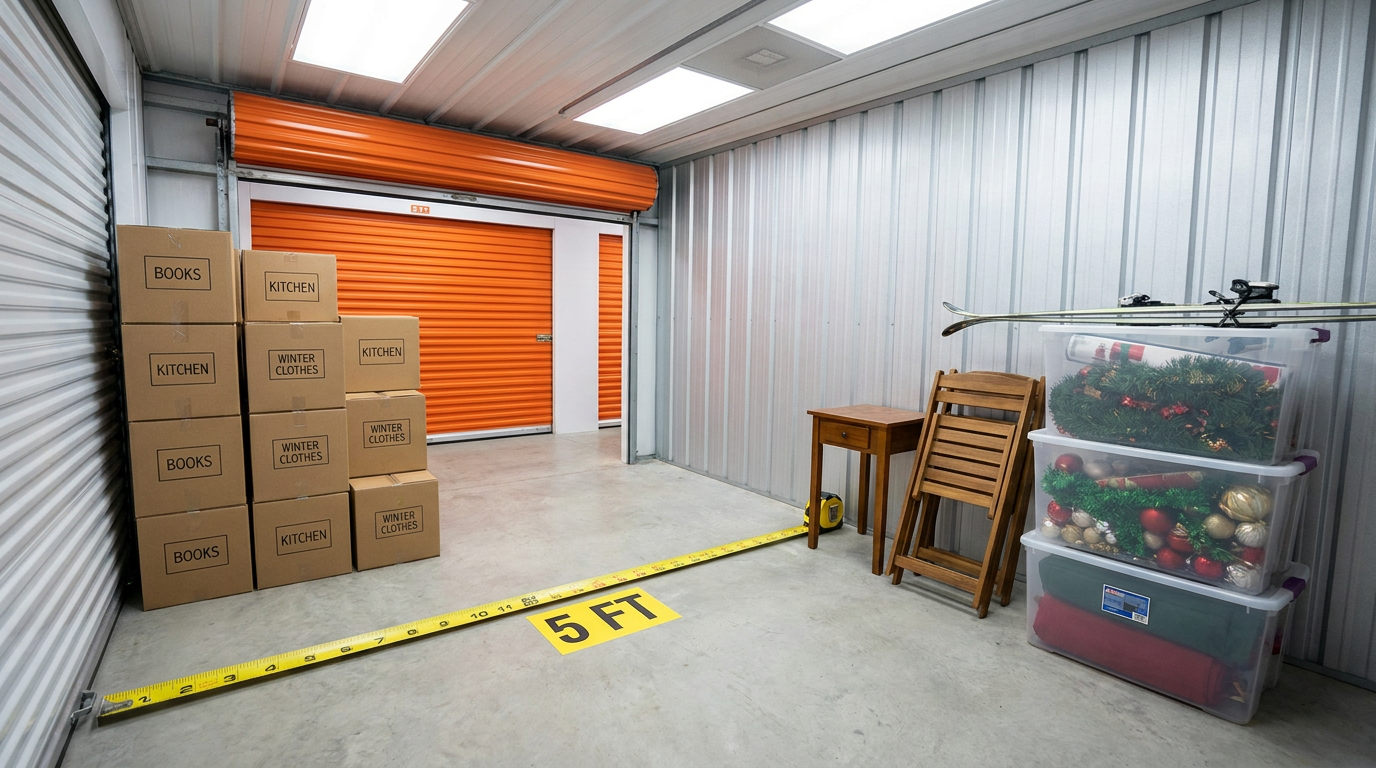
Units under 50 square feet typically store boxes, small furniture pieces, and seasonal items. These contents usually weigh under 30 pounds per item and fit easily in elevators. Floor level matters less for small unit renters unless access frequency is high.
Medium Units (10x10 to 10x15)
Units between 100 and 150 square feet accommodate one-bedroom apartment contents or significant household overflow. These units often contain at least some heavy items: mattresses, dressers, sofas, or appliances.
Ground floor placement benefits medium unit renters substantially. The mix of heavy and light items means some trips require ground-level access even if others could manage stairs. Not sure what size you need? The storage unit size guide helps match your belongings to appropriate dimensions.
Large Units (10x20 and Above)
Units exceeding 200 square feet store multi-room household contents, vehicles, or commercial inventory. These applications almost universally require ground floor drive-up access.
The volume and weight of contents make elevator transport impractical. Most facilities only offer large units at ground level with drive-up access for this reason.
Frequently Asked Questions
Are ground floor storage units worth the extra cost?
Ground floor units justify their 10 to 15 percent premium for customers who access storage monthly or more frequently, store items over 50 pounds, or value time savings during moves. Calculate your expected visits multiplied by 15 minutes saved per visit. If this exceeds 3 hours annually, ground floor access provides measurable value beyond convenience.
What types of items should always be stored in ground floor units?
Furniture over 50 pounds, major appliances, exercise equipment, outdoor recreation gear (skis, bikes, kayaks), palletized inventory, and any items requiring dollies or hand trucks for transport. These items create safety risks and handling difficulties when moved through elevators or up stairs.
Is there any security difference between ground floor and upstairs units?
Modern storage facilities apply identical security measures across all floors: gated access, digital video surveillance, individual unit alarms, and controlled entry systems. No statistical evidence supports claims that upper floors experience fewer break-ins. Security depends on facility management quality, not floor placement.
How much more do ground floor units cost compared to upstairs?
Ground floor units typically cost 10 to 15 percent more than equivalent upstairs spaces. For a unit averaging $150 monthly, expect to pay $165 to $175 for ground floor placement. Over 12 months, this difference totals $180 to $300. Weigh this cost against time savings and convenience value.
Should I choose ground floor if I rarely visit my storage?
Customers visiting storage once or twice yearly gain minimal benefit from ground floor convenience. If you store lightweight items (under 30 pounds each) and prioritize cost savings, upstairs units offer better value. Reserve ground floor premiums for frequent access or heavy item storage.
Are upstairs units harder to access during move-in and move-out?
Yes. Move-in and move-out represent the highest-volume access events, requiring 15 to 30 trips depending on unit size. Upstairs units add 5 to 10 minutes per trip during these events, potentially extending total move time by 2 to 4 hours. Plan additional time or consider hiring help for upstairs unit moves.
What is the best floor level for business inventory storage?
Ground floor with drive-up access serves business storage needs best. Commercial users typically access storage frequently, store items on pallets or in bulk quantities, and value operational efficiency. The time savings per visit compounds across dozens of annual access events, making ground floor access essential for business operations.
Do ground floor units have better ventilation or climate control?
Floor level does not determine ventilation or climate control quality. Both depend on facility HVAC system design rather than unit placement. Climate-controlled buildings maintain consistent temperatures across all floors. Ask facilities about their specific climate control systems rather than assuming floor-level differences.
Making Your Final Decision
Ground floor storage units provide clear advantages for most storage scenarios: faster access, safer handling, and reduced physical strain. These benefits intensify for customers storing heavy items, accessing storage frequently, or operating in challenging climates.
Upstairs units serve budget-conscious customers storing lightweight items with infrequent access needs. The 10 to 15 percent cost savings provides genuine value when convenience factors matter less.
For Crested Butte residents and visitors, ground floor and drive-up access addresses the practical realities of mountain living: winter weather conditions, outdoor recreation equipment, and the seasonal rhythms that define storage needs in the Gunnison Valley.
Have questions about which unit type fits your needs? Contact the Slate River Storage team for personalized guidance based on your specific storage requirements.
|