What Items Need Climate Controlled Storage: Complete Guide |
| WHAT ITEMS NEED CLIMATE CONTROLLED STORAGE
⏱ 15 min read ·
📄 #2,966 words
Discover which items require climate controlled storage to prevent damage. Learn about temperature-sensitive belongings, from electronics to antiques.
|
E lectronics, wooden furniture, leather goods, musical instruments, artwork, photographs, wine, medications, and important documents all require climate controlled storage. These items suffer irreversible damage when exposed to temperatures below 32°F or above 90°F, or humidity levels outside the 30-50% range.
| Key Points: | |
|---|---|
| • | Climate controlled units maintain 55-80°F and 30-50% humidity year-round |
| • | Wood, leather, electronics, and paper items suffer permanent damage in extreme temperatures |
| • | Climate controlled storage costs $50-150 more per month than standard units |
| • | Items stored longer than 3 months benefit most from temperature regulation |
| • | Mountain climates like Colorado require climate control due to temperature swings of 50°F or more |
What Does Climate Controlled Storage Mean
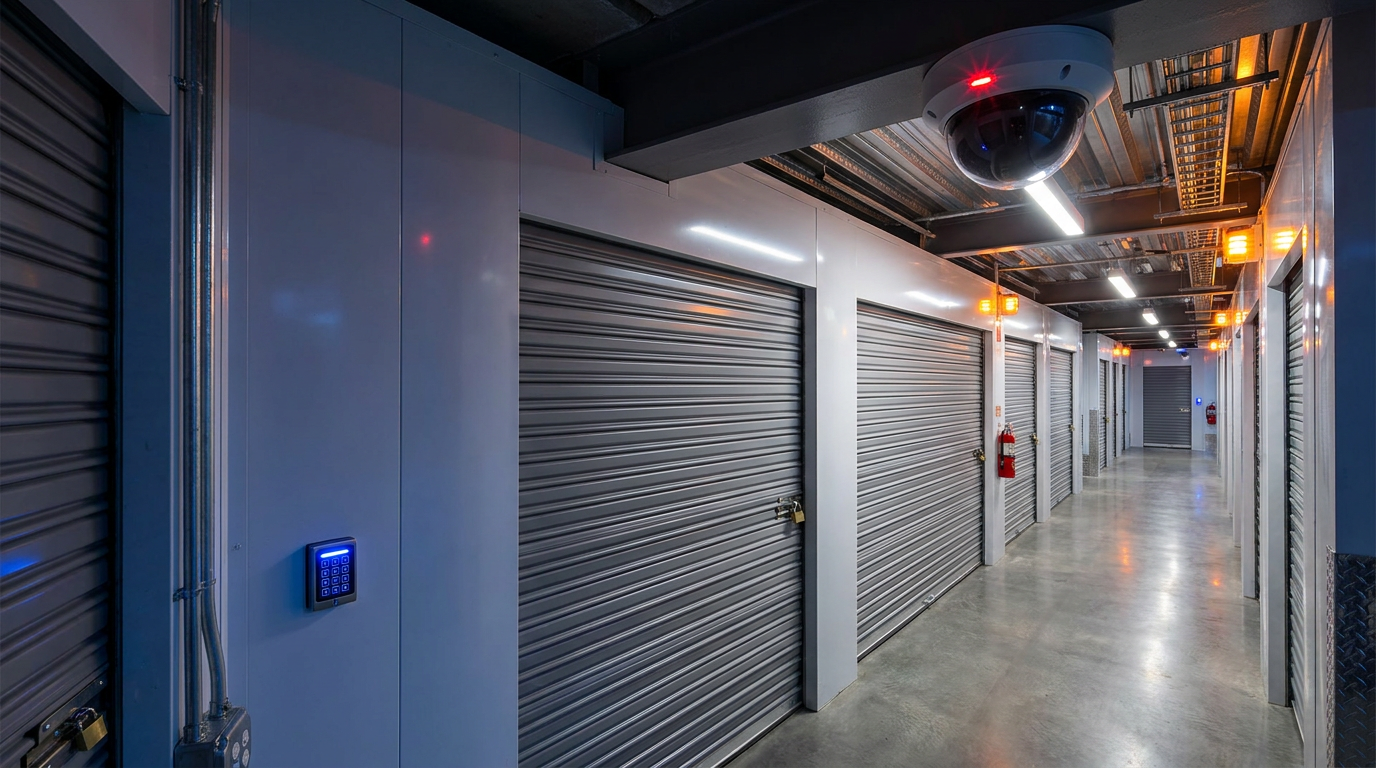
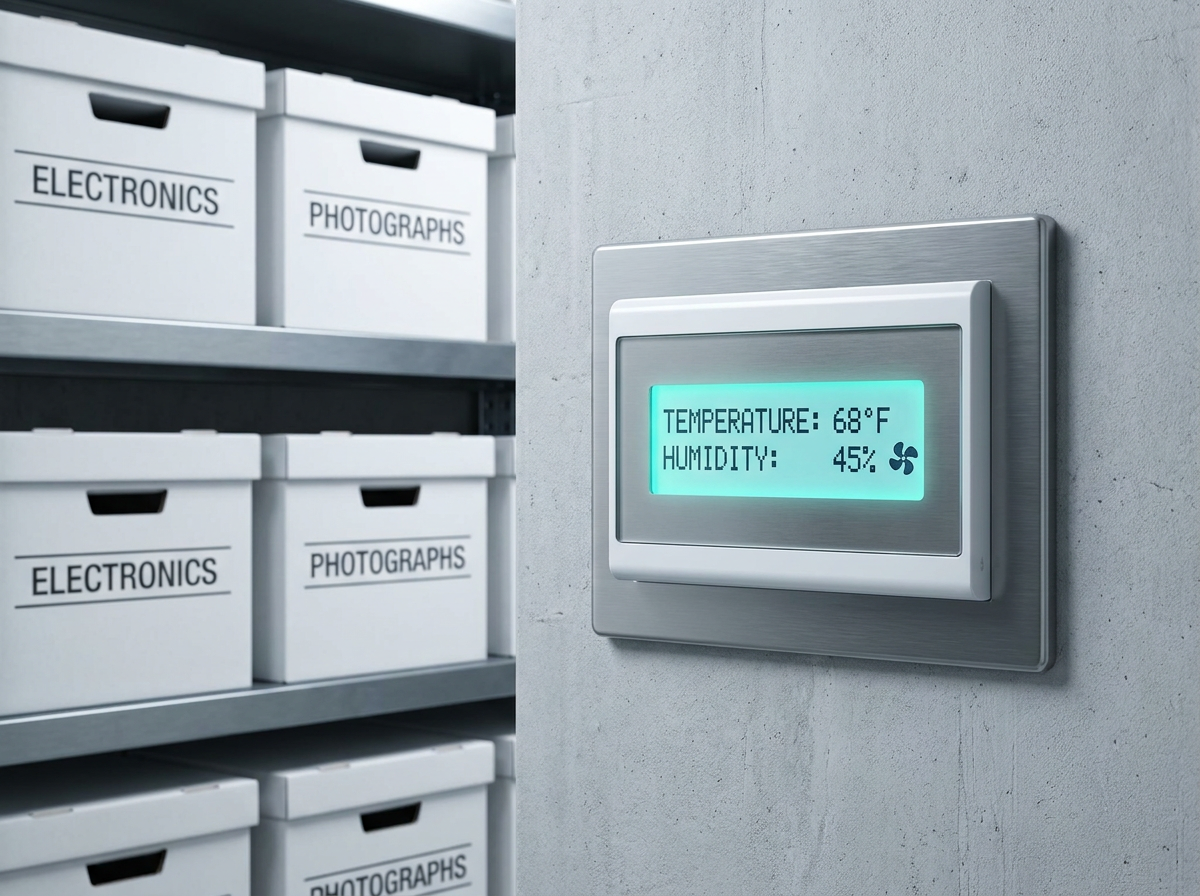
Climate controlled storage maintains consistent temperature and humidity levels inside the unit regardless of outdoor conditions. According to U-Haul's storage guidelines, these units typically keep temperatures between 55°F and 80°F throughout the year. Humidity stays within the 30-50% range that prevents mold growth and material degradation.
Standard storage units offer no temperature or humidity regulation. In Crested Butte, Colorado, where winter temperatures drop to negative 20°F and summer highs reach 80°F, uncontrolled units expose belongings to a 100-degree temperature swing annually. This extreme variation causes wood to crack, electronics to fail, and leather to dry out permanently.
The difference between heated storage and climate controlled storage matters significantly. Heated units only prevent freezing but do not regulate humidity or maximum temperatures. True climate control addresses both temperature extremes and moisture levels, providing comprehensive protection for sensitive items.
Complete List of Items Requiring Climate Controlled Storage
Understanding exactly which belongings need climate protection helps you make informed storage decisions. The following categories cover everything from household items to specialized collections.
Electronics and Appliances
Televisions, computers, gaming consoles, stereo equipment, and kitchen appliances contain sensitive circuit boards and components. According to Moving.com's storage research, temperatures above 90°F cause solder joints to weaken and capacitors to fail prematurely. Cold temperatures below 32°F crack LCD screens and damage battery cells.
Refrigerators, washers, and dryers need climate control despite their durable appearance. The rubber seals, hoses, and electronic control panels degrade in extreme conditions. Storing appliances in uncontrolled environments for 6 months or longer typically voids manufacturer warranties.
Wooden Furniture and Antiques
Wood absorbs and releases moisture based on surrounding humidity levels. When humidity drops below 30%, wood contracts and cracks. Above 50% humidity, wood swells and warps. Antique furniture, hardwood tables, dressers, and bed frames all require consistent climate conditions.
Veneer finishes separate from their base materials in fluctuating temperatures. Joints loosen as wood expands and contracts repeatedly. A single Colorado winter in an uncontrolled unit can cause $500-2,000 in damage to quality wooden furniture.
Leather Goods and Upholstery
Leather sofas, jackets, boots, and accessories dry out and crack in low humidity environments. The natural oils in leather evaporate when temperatures exceed 80°F consistently. Once leather cracks, no conditioning treatment can fully restore it.
Fabric upholstery attracts mold and mildew in humid conditions. Cushions and mattresses absorb moisture from the air, creating perfect conditions for bacterial growth. Climate control prevents the musty odors and health hazards associated with mold-contaminated furniture.
Musical Instruments
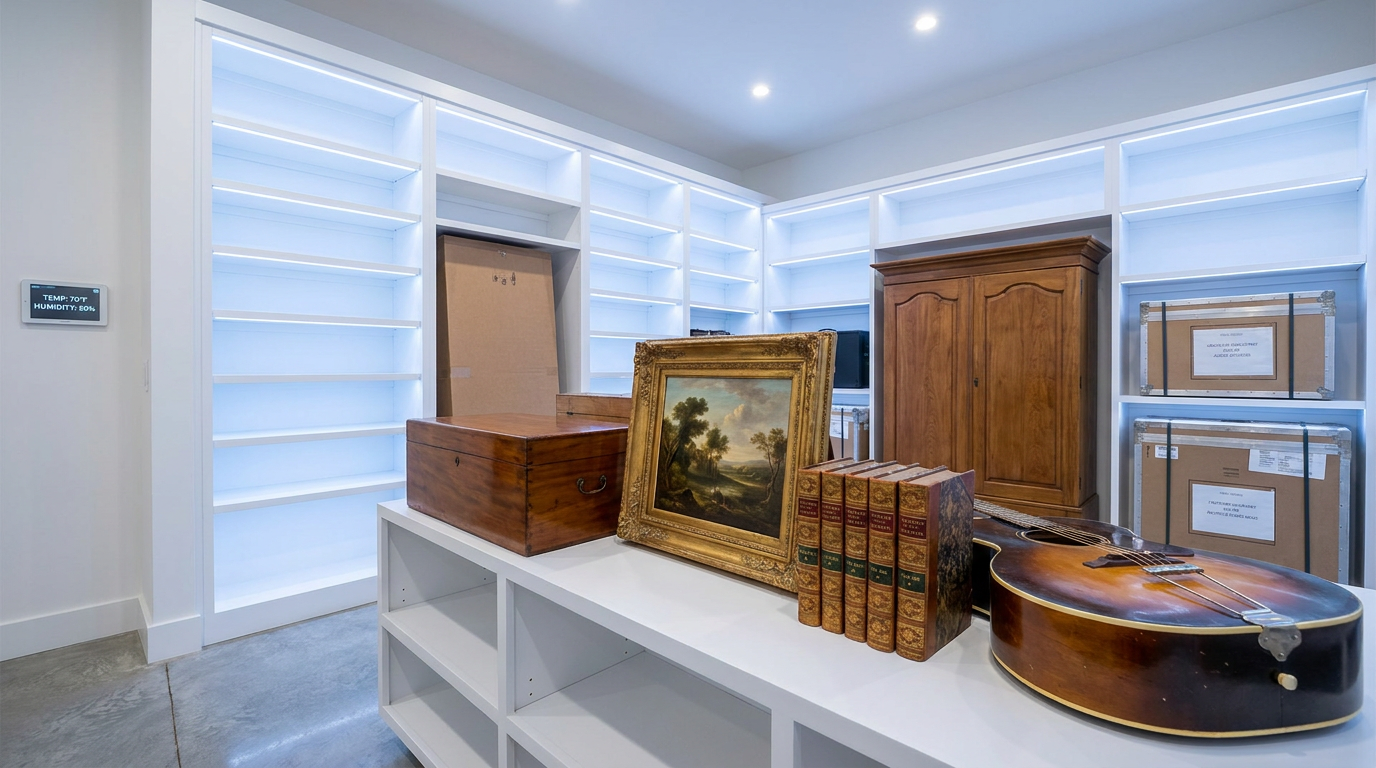
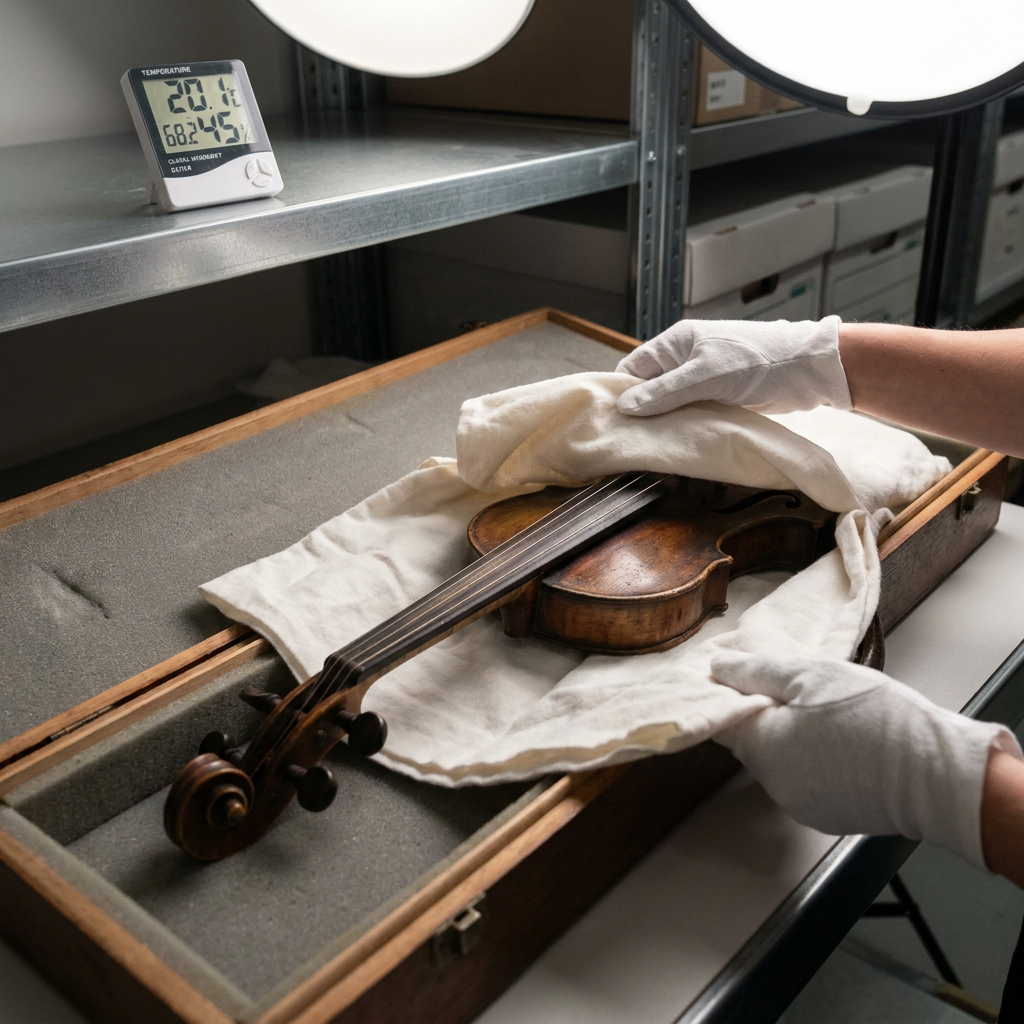
Guitars, pianos, violins, and brass instruments require precise humidity control. The Smithsonian Institution recommends storing wooden instruments at 45-55% relative humidity. Guitars can warp within weeks of exposure to humidity below 30% or above 60%.
Piano soundboards crack in dry conditions, requiring repairs costing $1,000-5,000. Brass instruments develop corrosion in humid environments. Even drum sets suffer, as the wooden shells and metal hardware respond differently to temperature changes, causing tuning instability.
Artwork and Collectibles
Oil paintings, watercolors, and prints on paper require stable conditions. Canvas stretches and contracts with humidity changes, causing paint to crack and flake. The American Institute for Conservation recommends 70°F and 50% humidity for artwork storage.
Comic books, baseball cards, stamps, and coins all need climate control. Paper-based collectibles yellow and become brittle in fluctuating conditions. Coins develop tarnish and corrosion when humidity exceeds 50%. A collection worth thousands can lose significant value from improper storage.
Photographs and Media
Printed photographs stick together and develop mold in humid conditions. Film negatives, slides, and videotapes degrade rapidly above 75°F. The Library of Congress stores archival materials at 35-65°F with 30-40% humidity for maximum preservation.
Vinyl records warp at temperatures above 80°F. CDs and DVDs develop disc rot when humidity fluctuates repeatedly. Digital backup drives fail more frequently after exposure to temperature extremes, potentially losing irreplaceable family memories.
Important Documents
Birth certificates, tax records, legal contracts, and business documents require protection from humidity damage. Paper absorbs moisture and becomes wavy, making documents difficult to read and legally questionable. Ink fades faster in high humidity environments.
Medical records, insurance policies, and property deeds often cannot be easily replaced. Storing these documents in climate controlled conditions preserves them for decades. Many banks and law firms use climate controlled storage for their archival records.
Wine and Specialty Foods
Wine requires storage at 55°F with 70% humidity for proper aging. Temperature fluctuations cause corks to expand and contract, allowing air into bottles and spoiling the wine. A single summer in an uncontrolled unit can ruin an entire wine collection.
Specialty foods, olive oils, and preserved goods also benefit from stable temperatures. While not typically stored long-term, seasonal items like holiday chocolates or specialty ingredients maintain quality better in climate controlled environments.
Medical Equipment and Medications
Prescription medications lose potency when exposed to heat above 77°F. The FDA requires most medications to be stored at controlled room temperature. Diabetic supplies, including insulin and test strips, become ineffective in extreme temperatures.
Medical equipment such as CPAP machines, nebulizers, and mobility devices contain electronics and rubber components that degrade in uncontrolled conditions. Replacement costs for damaged medical equipment often exceed $500-2,000.
Seasonal and Outdoor Gear
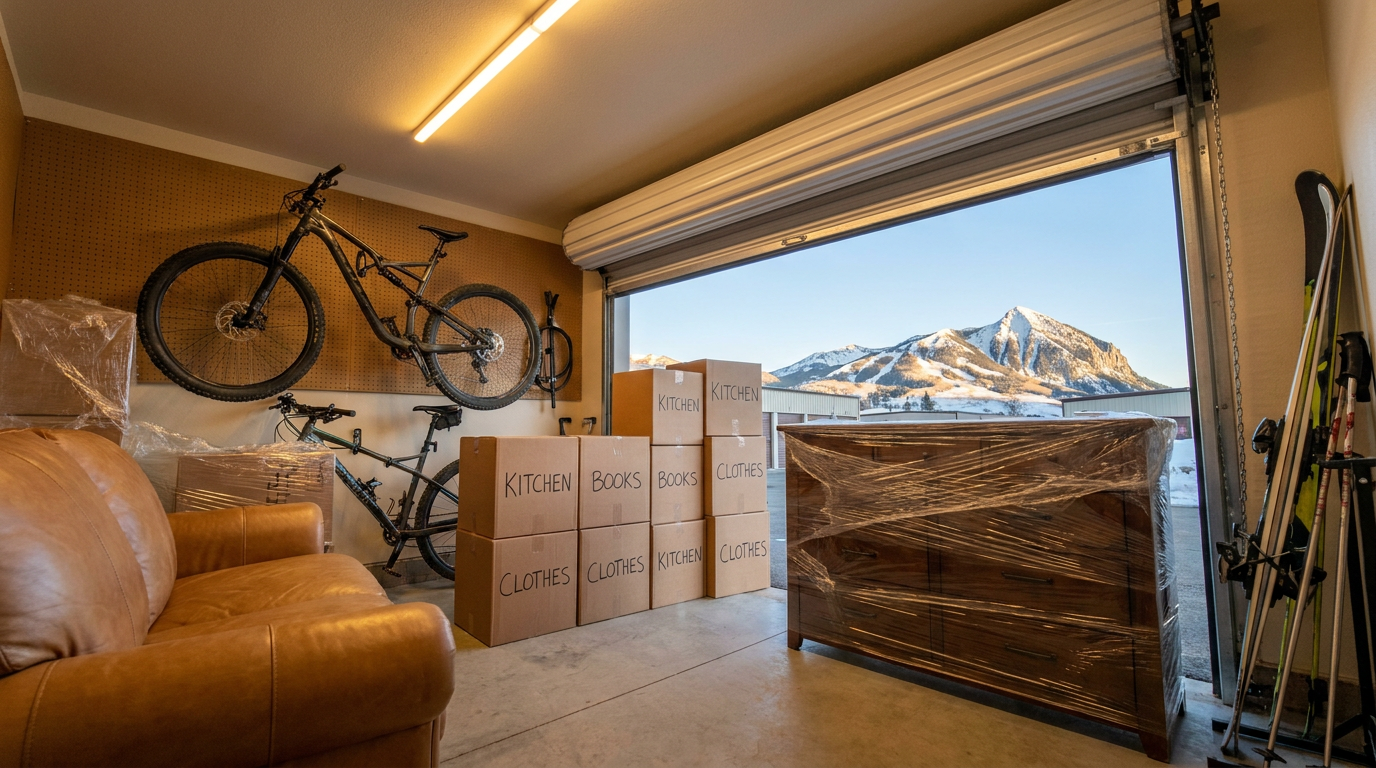
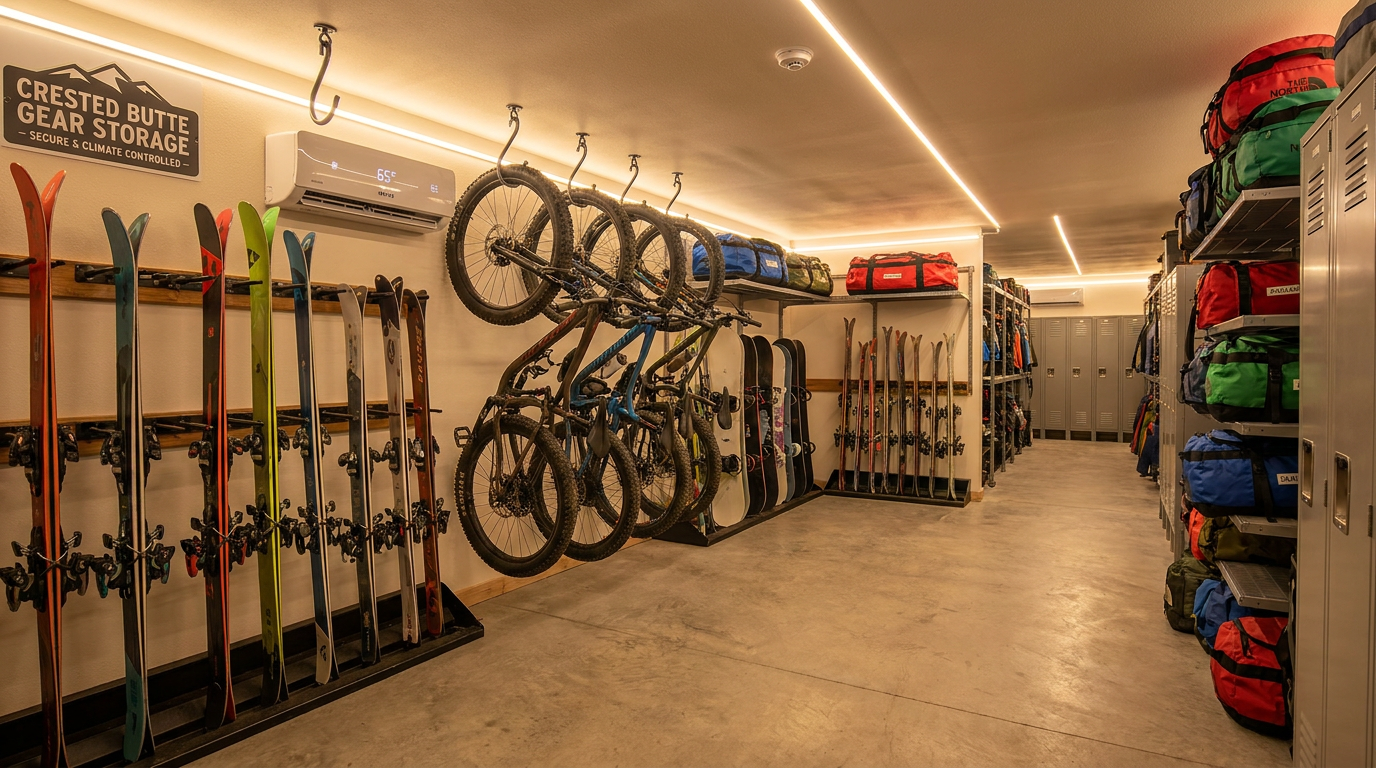
Ski equipment, including boots with thermal linings and skis with specialized waxes, requires climate control during off-season storage. The Gunnison Valley's outdoor enthusiasts often store thousands of dollars in gear that needs protection from summer heat and winter cold extremes.
Camping equipment, fishing gear, and hunting supplies contain rubber, nylon, and electronic components. GPS devices, fish finders, and other electronics fail after repeated exposure to temperature extremes. Tents and sleeping bags develop mold in humid conditions.
Climate Controlled Storage Comparison Table
| Item Category | Climate Control Required? | Ideal Temperature | Ideal Humidity | Damage Risk Without |
|---|---|---|---|---|
| Electronics | Yes | 60-75°F | 30-50% | High: circuit failure, screen damage |
| Wooden Furniture | Yes | 55-75°F | 40-50% | High: cracking, warping, joint failure |
| Leather Goods | Yes | 55-72°F | 40-55% | High: cracking, drying, mold |
| Musical Instruments | Yes | 65-75°F | 45-55% | Very High: warping, cracking, corrosion |
| Artwork | Yes | 65-70°F | 45-55% | Very High: paint flaking, canvas damage |
| Photographs/Media | Yes | 35-65°F | 30-40% | High: fading, mold, deterioration |
| Documents | Yes | 60-70°F | 30-40% | Medium: yellowing, mold, ink fading |
| Wine | Yes | 55°F | 70% | Very High: spoilage, cork failure |
| Medications | Yes | 59-77°F | 30-50% | High: potency loss, safety concerns |
| Metal Tools | Optional | Any | Below 50% | Low: surface rust only |
| Plastic Containers | No | Any | Any | Very Low: minimal degradation |
What Items Do Not Need Climate Controlled Storage
Not everything requires climate protection. Understanding which items can safely go in standard storage helps you save money while protecting what truly needs it.
Durable Outdoor Equipment
Lawn mowers, garden tools, and outdoor furniture designed for weather exposure handle temperature extremes well. Metal hand tools, shovels, and rakes need only basic protection from direct moisture. Plastic outdoor chairs and tables withstand temperature fluctuations without damage.
Sealed Plastic Storage Containers
Heavy-duty plastic bins from brands like Rubbermaid and Sterilite tolerate temperature swings. Holiday decorations made of plastic or metal store safely in standard units. Artificial Christmas trees, plastic ornaments, and outdoor lights need no climate control.
Metal Items Without Electronics
Cast iron cookware, hand tools without rubber grips, and metal shelving units survive extreme temperatures. Bicycles with standard components, weight sets, and exercise equipment made primarily of metal require only rust prevention, not temperature control.
Automotive Parts and Accessories
Tires, rims, and metal car parts handle temperature extremes. Roof racks, trailer hitches, and similar accessories need no climate protection. However, car batteries and electronic accessories still require climate control.
Items You Should Never Store in Any Storage Unit
Certain items pose safety hazards or violate storage facility regulations regardless of climate control. According to U.S. News Real Estate guidelines, the following items are prohibited at most facilities.
Flammable materials including gasoline, propane tanks, fireworks, and paint thinners create fire and explosion risks. Perishable food items attract pests and create health hazards. Live plants and animals cannot survive in enclosed storage environments.
Hazardous chemicals, including pesticides, fertilizers, and cleaning solvents, violate EPA storage regulations. Firearms and ammunition have specific legal storage requirements that most self-storage facilities cannot meet. Stolen property and illegal items obviously cannot be stored anywhere.
Is It Bad to Not Have Climate Controlled Storage
The consequences of choosing standard storage for sensitive items range from minor inconvenience to total loss. The severity depends on three factors: what you store, how long you store it, and your local climate conditions.
Short-Term Storage Risks
Items stored for less than 30 days face minimal risk in moderate climates. Moving between homes during spring or fall in temperate regions rarely causes damage. However, even short-term storage during Colorado winters or Arizona summers can harm sensitive electronics and wooden items.
Long-Term Storage Consequences
Storage lasting 3 months or longer significantly increases damage risk. Wood furniture stored through a full season cycle experiences expansion and contraction that loosens joints permanently. Electronics stored through summer heat may function initially but fail prematurely months later.
The cumulative effect of temperature cycling causes more damage than constant extreme temperatures. Each expansion and contraction stresses materials further. Items stored for 12 months in uncontrolled conditions experience 4 complete seasonal cycles in most climates.
Climate-Specific Considerations
Mountain communities like Crested Butte and the Gunnison Valley experience more extreme temperature variations than coastal or southern regions. Winter temperatures reaching negative 20°F combined with summer highs near 80°F create a 100-degree annual swing. This extreme variation makes climate control essential for nearly all temperature-sensitive items.
Altitude also affects humidity levels. Higher elevations typically have lower humidity, increasing the risk of wood cracking and leather drying. The thin mountain air provides less insulation against temperature extremes, causing faster temperature changes inside uncontrolled storage units.
Climate Controlled Storage Cost Comparison
Climate controlled units typically cost 20-50% more than standard storage of the same size. The additional expense reflects the energy required to maintain consistent conditions and the building construction needed for proper insulation.
| Unit Size | Standard Unit | Climate Controlled | Monthly Difference |
|---|---|---|---|
| 5x5 (25 sq ft) | $50-75 | $75-125 | $25-50 |
| 5x10 (50 sq ft) | $75-125 | $100-175 | $25-50 |
| 10x10 (100 sq ft) | $125-200 | $175-350 | $50-150 |
| 10x20 (200 sq ft) | $200-350 | $300-500 | $100-150 |
| 10x25 (250 sq ft) | $275-450 | $400-800 | $125-350 |
The cost difference becomes insignificant when compared to potential damage. Replacing a $2,000 leather sofa or repairing a $3,000 piano far exceeds the $300-600 annual premium for climate control. Insurance claims for climate-related storage damage often face denial because improper storage conditions constitute negligence.
How to Decide If You Need Climate Controlled Storage
Use this decision framework to determine whether climate control is necessary for your specific situation. Consider all three factors together rather than any single criterion.
Factor 1: Item Value and Replaceability
Calculate the total replacement cost of temperature-sensitive items you plan to store. If the value exceeds $1,000, climate control almost always makes financial sense. Irreplaceable items like family photographs, heirlooms, and original artwork warrant climate protection regardless of monetary value.
Factor 2: Storage Duration
Short-term storage under 30 days during mild weather poses minimal risk. Storage lasting 1-3 months requires climate control for sensitive items. Any storage exceeding 3 months benefits from climate control for all but the most durable items.
Factor 3: Local Climate Conditions
Research your area's temperature and humidity extremes. Regions with temperatures below 32°F or above 90°F require climate control for sensitive items. Areas with humidity regularly exceeding 60% or dropping below 30% also necessitate climate protection.
Decision Checklist
Answer yes or no to each question. Three or more yes answers indicate climate control is necessary:
- Will you store electronics, wooden furniture, or leather goods?
- Will storage duration exceed 60 days?
- Does your area experience temperatures below 40°F or above 85°F?
- Does your area experience humidity below 30% or above 60%?
- Is the total value of sensitive items over $1,000?
- Are any items irreplaceable or of sentimental value?
Climate Controlled Storage Options in Crested Butte
The Gunnison Valley's extreme climate makes climate control particularly important for local residents, seasonal visitors, and businesses. With winter temperatures dropping to negative 20°F and significant daily temperature swings even in summer, uncontrolled storage poses serious risks to most belongings.
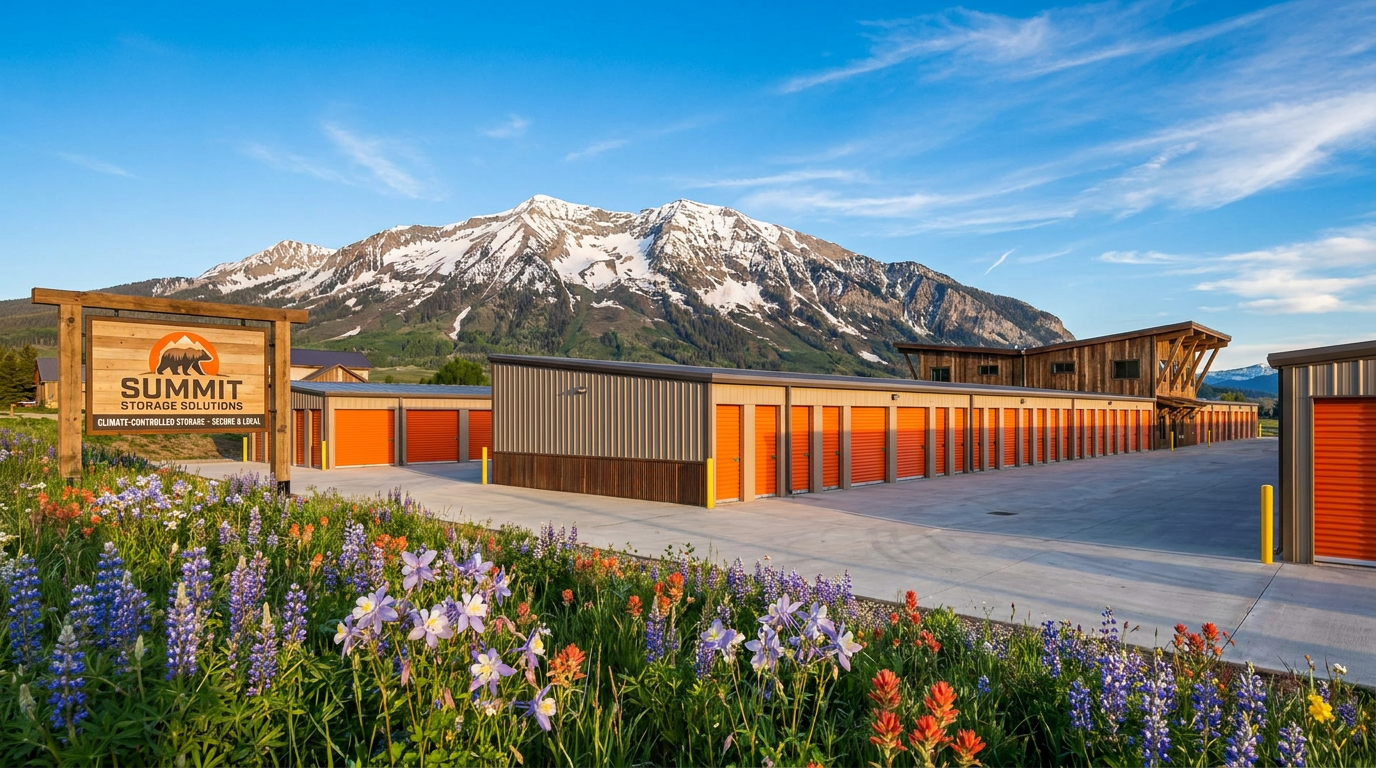
Slate River Storage offers climate controlled units ranging from compact 6x10 spaces to expansive 30x25 commercial units. All units maintain consistent temperatures to protect belongings from Colorado's harsh weather conditions. The facility's location just 5 minutes from downtown Crested Butte provides convenient access for residents and visitors alike.
Interior climate controlled units start at $244 per month for a 6x10 space, with larger 10x10 units available at $337-379 monthly depending on floor level. Drive-up climate controlled options provide easier loading for larger items, with 10x21 units at $693 per month and 10x25 units at $813 monthly. Not sure which size fits your needs? The storage unit size guide helps you estimate space requirements accurately.
Protecting Your Stored Belongings
Climate control provides the foundation for safe storage, but additional precautions maximize protection. Proper packing and preparation extend the life of stored items significantly.
Packing Best Practices
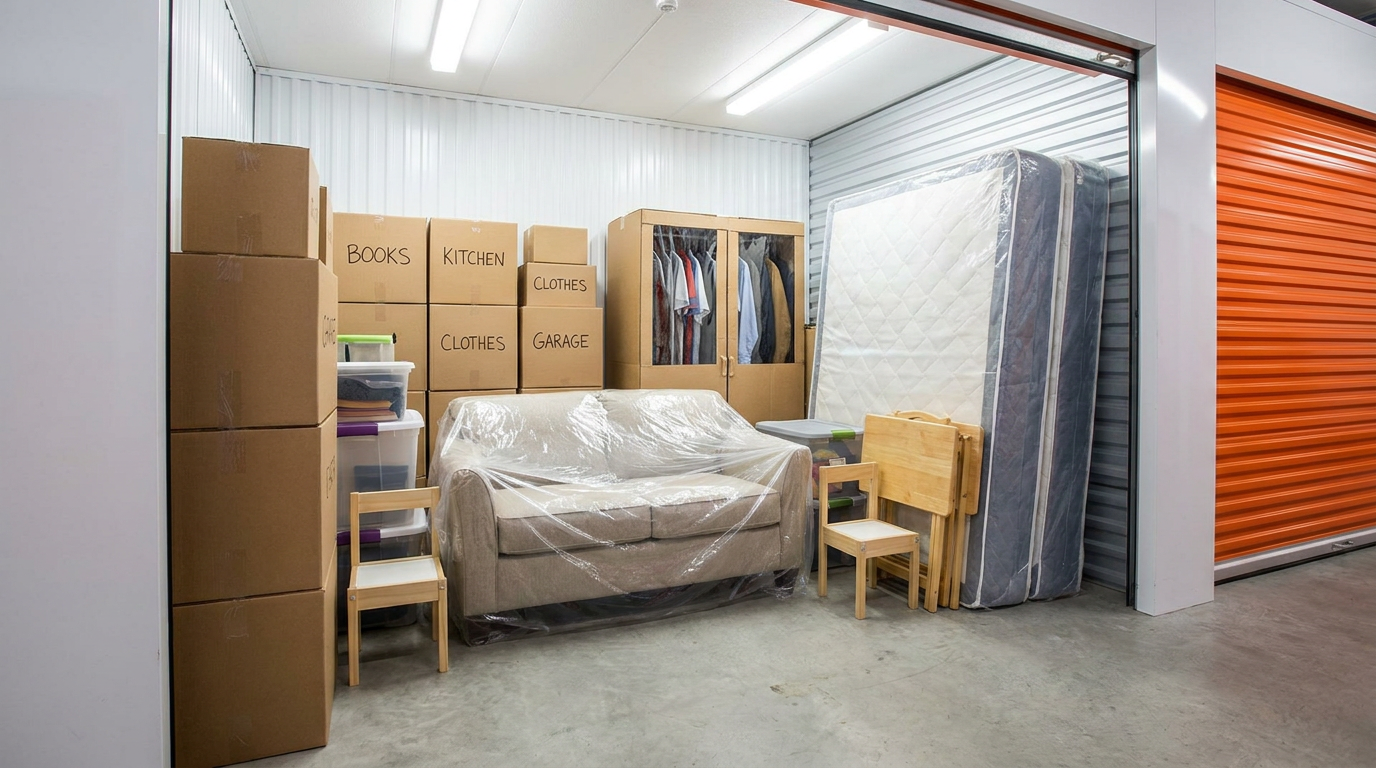
Use acid-free tissue paper for wrapping photographs, documents, and delicate textiles. Plastic wrap traps moisture against furniture surfaces, so use breathable cotton covers instead. Disassemble furniture when possible to reduce stress on joints during storage.
Elevate items off the floor using pallets or shelving. Even in climate controlled units, floor contact can transfer minor moisture. Leave space between items and walls to allow air circulation throughout the unit.
Insurance and Protection Plans
Homeowners and renters insurance policies often exclude items in storage or provide limited coverage. Dedicated storage insurance or tenant protection plans cover burglary, fire, water damage, and other risks specific to stored belongings. Coverage typically costs $10-30 monthly for $2,000-10,000 in protection.
Regular Inspection
Visit your storage unit every 30-60 days to inspect items and ensure climate systems function properly. Check for any signs of moisture, pest activity, or temperature fluctuation. Early detection prevents minor issues from becoming major damage.
Frequently Asked Questions
What requires climate controlled storage?
Electronics, wooden furniture, leather goods, musical instruments, artwork, photographs, wine, medications, important documents, and collectibles all require climate controlled storage. These items suffer damage from temperatures outside the 55-80°F range or humidity levels outside 30-50%. According to Extra Space Storage research, items stored longer than 3 months benefit most from temperature and humidity regulation.
What items do not need climate controlled storage?
Metal tools, plastic storage containers, outdoor furniture designed for weather exposure, lawn equipment, and automotive parts without electronics can safely go in standard storage. Items made entirely of metal, heavy-duty plastic, or materials designed for outdoor use tolerate temperature extremes without damage. Holiday decorations made of plastic or metal also store safely without climate control.
What items should I never put in a self storage unit?
Never store flammable materials like gasoline, propane, or fireworks in any storage unit. Perishable food attracts pests and creates health hazards. Live plants, animals, hazardous chemicals, firearms without proper licensing, and illegal items are prohibited at all reputable storage facilities. Most facilities also prohibit items with strong odors that could affect neighboring units.
Is it bad to not have a climate controlled storage unit?
Storing temperature-sensitive items without climate control causes damage ranging from cosmetic issues to complete destruction. Wood cracks and warps, electronics fail, leather dries and cracks, photographs fade and stick together, and medications lose potency. The damage often appears months after retrieval when items have already been affected internally. In extreme climates like Colorado's mountains, even short-term storage without climate control risks significant damage.
How much does climate controlled storage cost?
Climate controlled storage costs 20-50% more than standard units of the same size. A 10x10 climate controlled unit typically costs $175-350 monthly compared to $125-200 for standard storage. The premium varies by location, with higher costs in areas with extreme climates requiring more energy for temperature maintenance. In the Crested Butte area, climate controlled units at Slate River Storage range from $244 for a 6x10 to $813 for a 10x25 drive-up unit.
What temperature should a climate controlled storage unit be?
Climate controlled storage units maintain temperatures between 55°F and 80°F year-round. This range protects most temperature-sensitive items from damage. Humidity levels stay between 30% and 50% to prevent mold growth and material degradation. Some specialty storage for wine or archival materials maintains narrower ranges, but standard climate control suits most household and business storage needs.
Making the Right Storage Choice
Choosing between climate controlled and standard storage comes down to understanding what you own, how long you need to store it, and where you live. The additional cost of climate control represents insurance against potentially devastating losses.
For Crested Butte residents, seasonal visitors, and local businesses storing inventory, climate control is not optional for most belongings. The region's extreme temperature swings make uncontrolled storage a gamble with your possessions.
Have questions about which storage option fits your needs? Contact Slate River Storage to discuss your specific situation. The locally owned facility offers month-to-month leasing with no hidden fees, making it easy to get the protection your belongings deserve.
|