What Is a Climate Controlled Storage Unit? Complete Guide |
| WHAT IS A CLIMATE CONTROLLED STORAGE UNIT
⏱ 10 min read ·
📄 #1,908 words
Climate controlled storage units maintain 55-80°F year-round to protect sensitive belongings. Learn costs, benefits, and what items need temperature control.
|
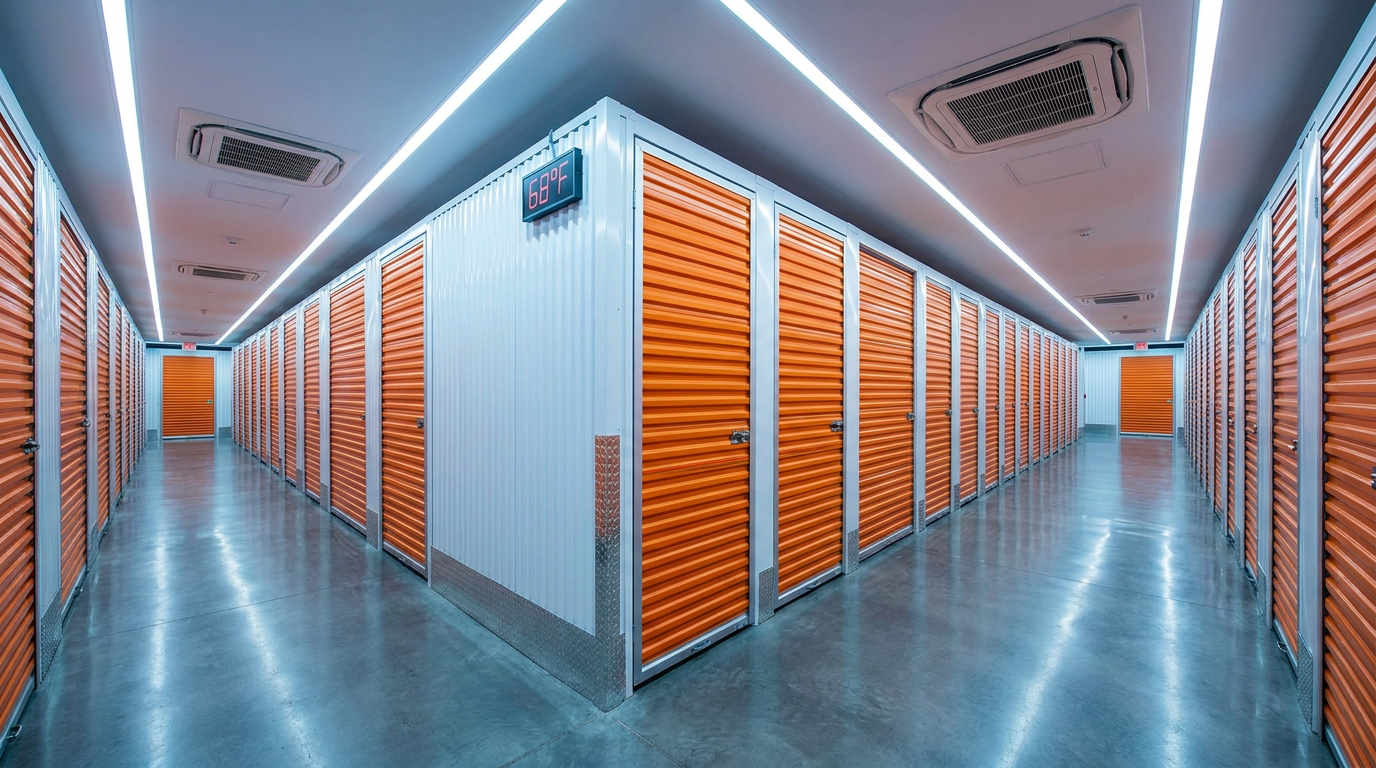
A climate controlled storage unit is an indoor storage space equipped with heating and cooling systems that maintain temperatures between 55 and 80 degrees Fahrenheit year-round. These units protect temperature-sensitive belongings from extreme heat, cold, and humidity fluctuations that cause warping, cracking, mold, and deterioration.
| Key Points: | |
|---|---|
| • | Temperature range: 55-80°F maintained by HVAC systems, protecting items from damage |
| • | Cost difference: Climate controlled units cost 20-50% more than standard units, typically $100-300/month for 10x10 spaces |
| • | Essential for: Electronics, wood furniture, documents, artwork, wine, musical instruments, and leather goods |
| • | Location matters: Critical in areas with temperature extremes below 32°F or above 90°F |
| • | Humidity control: Some units also regulate humidity between 30-50% for additional protection |
How Climate Controlled Storage Works
Climate controlled storage facilities use commercial HVAC systems to regulate interior temperatures throughout the year. According to Extra Space Storage, these systems activate automatically when temperatures exceed preset thresholds, maintaining consistent conditions regardless of outdoor weather.
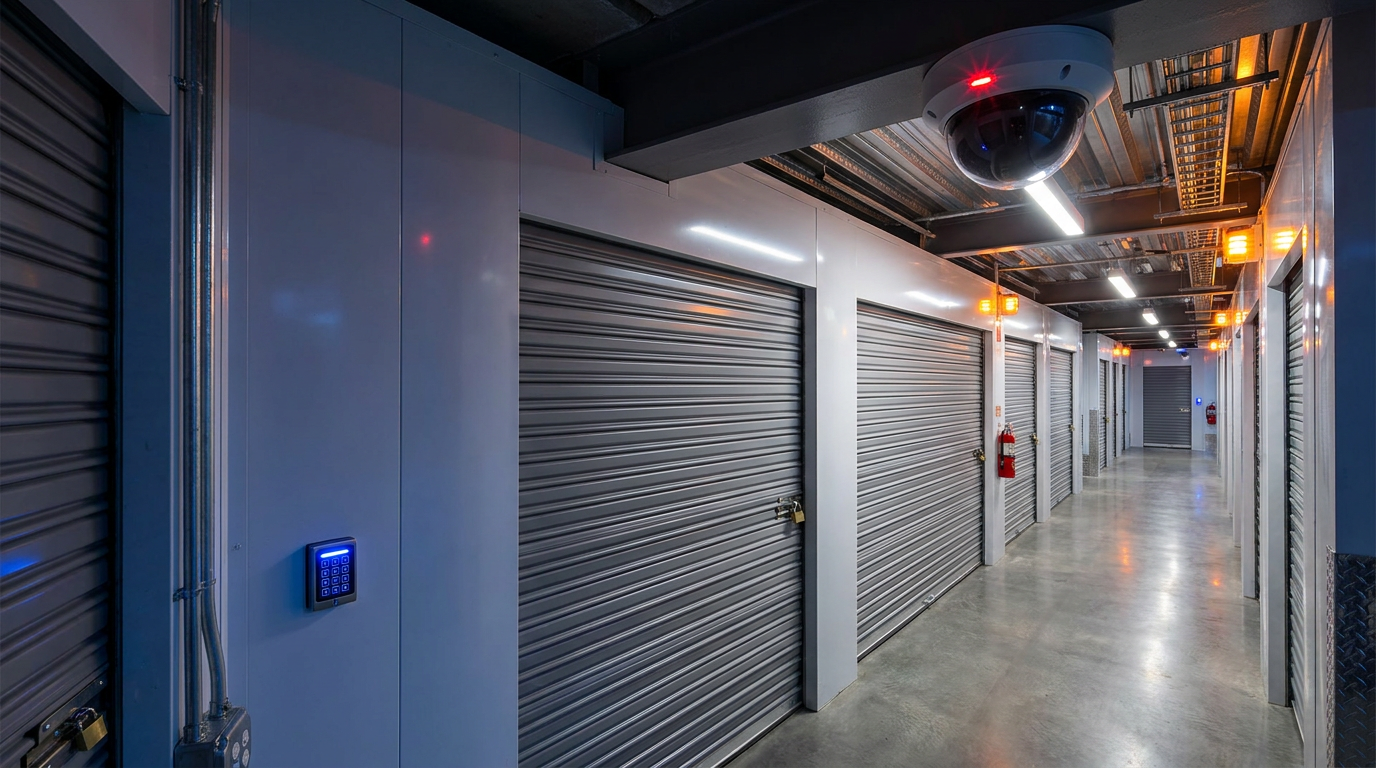
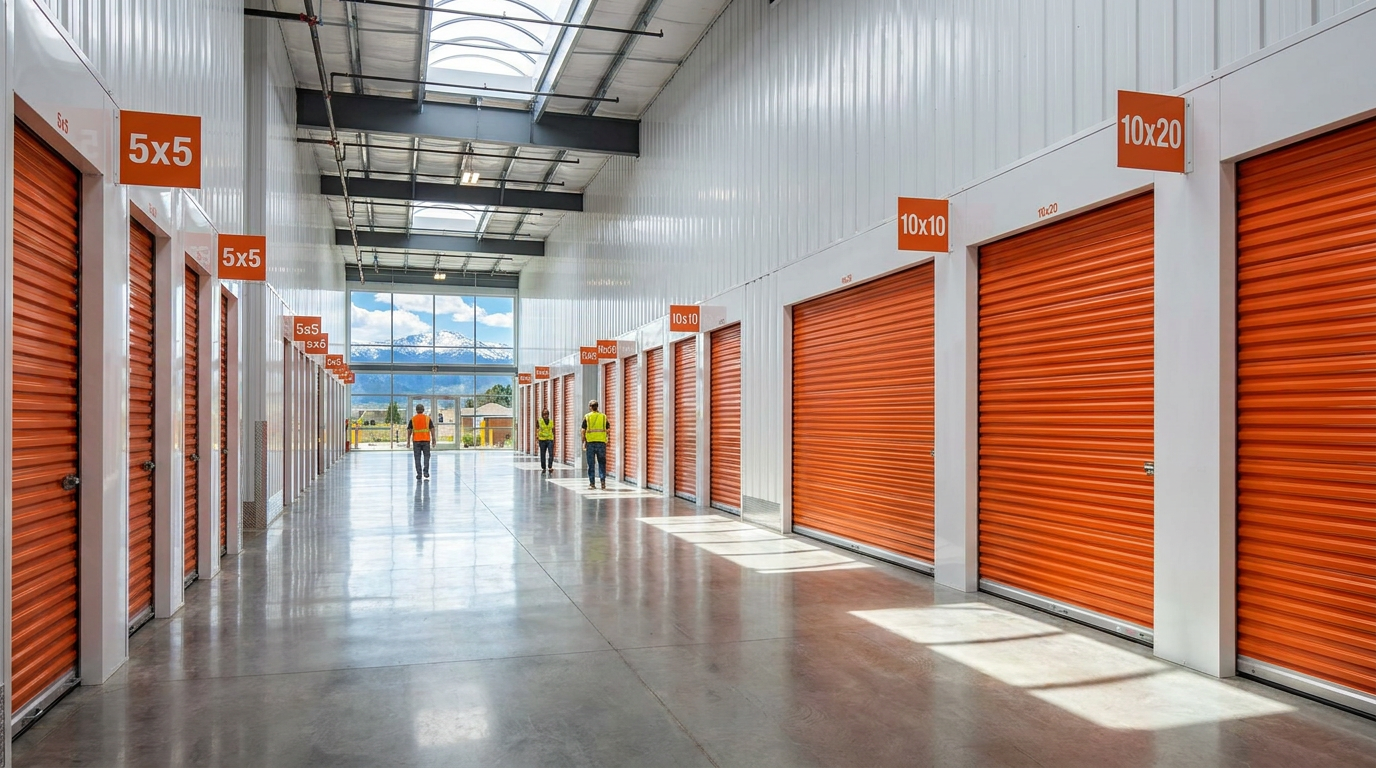
The units are typically located inside larger buildings with insulated walls, sealed doors, and vapor barriers. This construction prevents outside air infiltration and helps the HVAC system work efficiently. Most facilities monitor conditions 24/7 using digital sensors that alert staff to any temperature deviations.
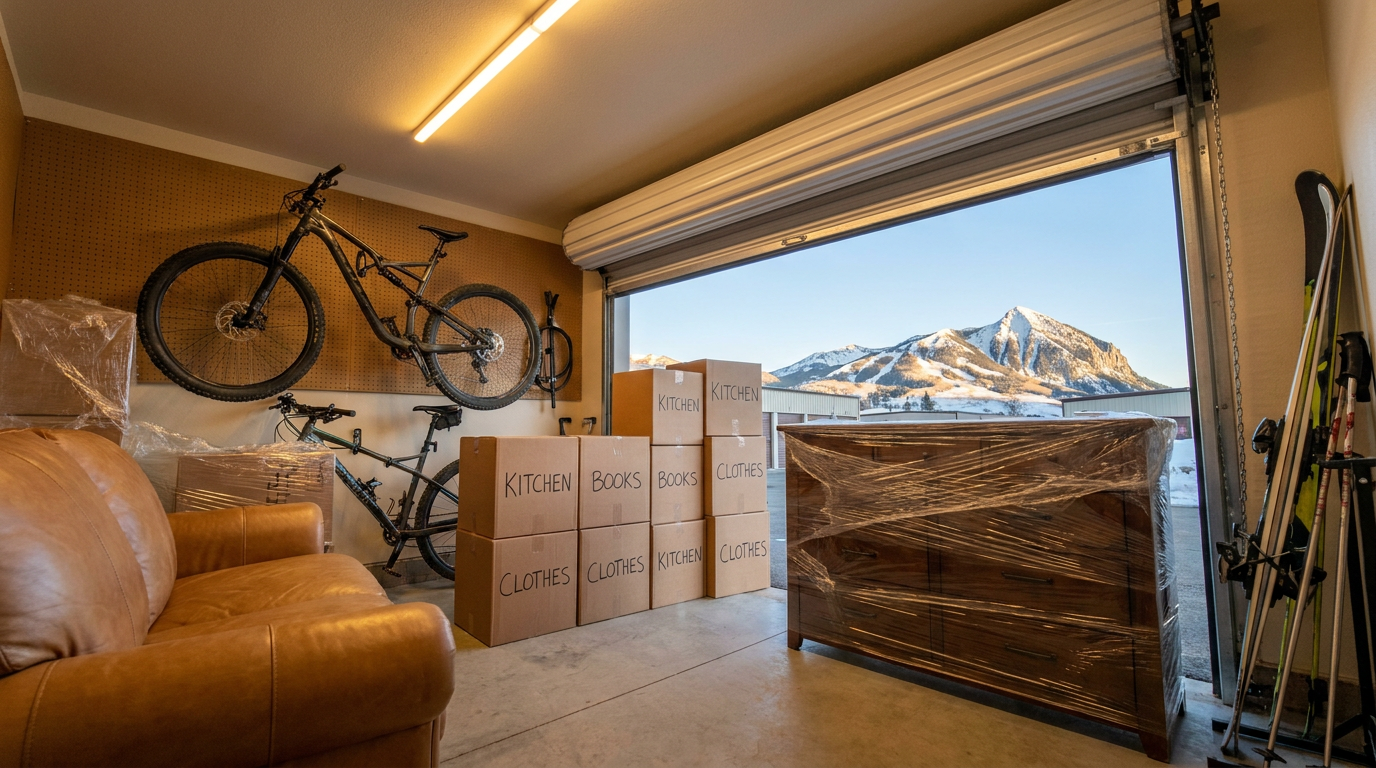
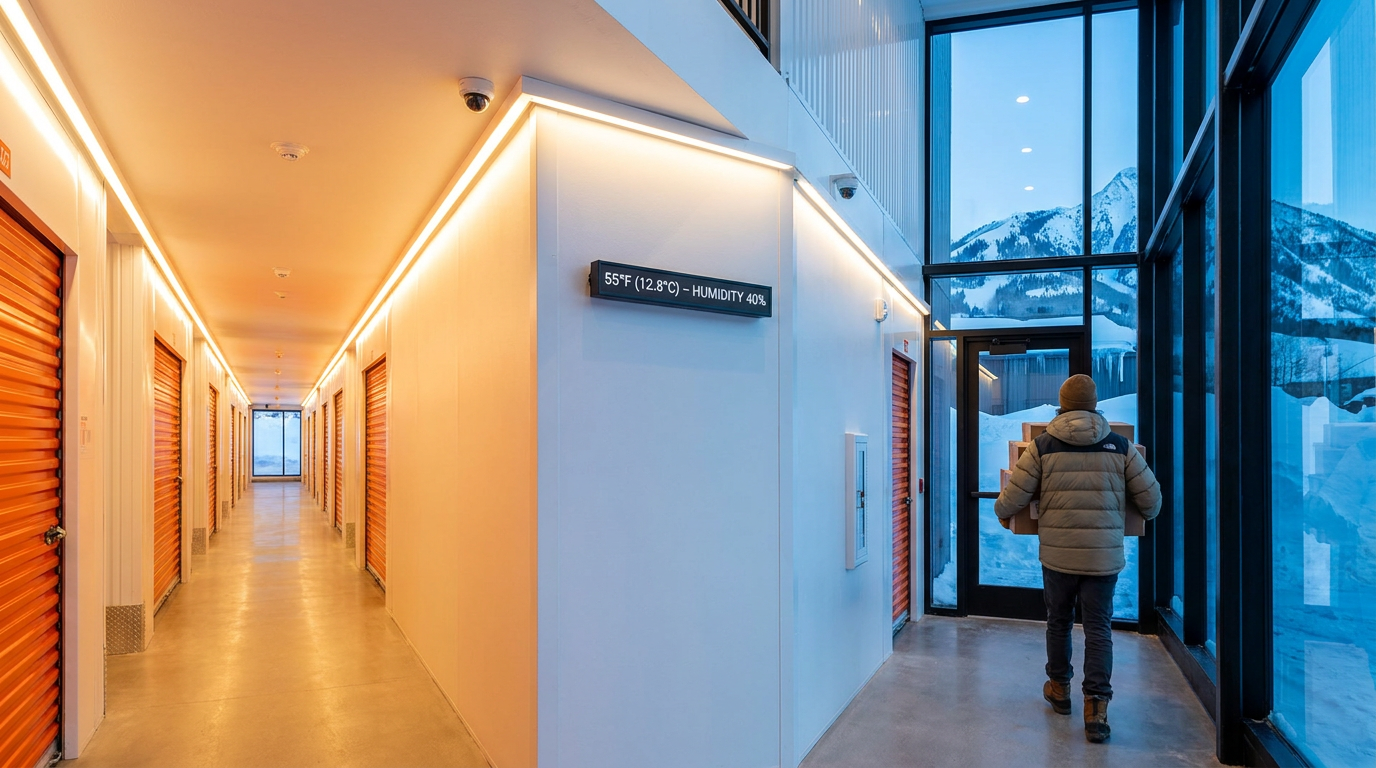
In mountain climates like Crested Butte, Colorado, where winter temperatures regularly drop to negative 20 degrees Fahrenheit, heated storage becomes essential rather than optional. Facilities in these regions run heating systems continuously from October through April to prevent freeze damage.
Climate Controlled vs. Regular Storage Units
The primary difference between climate controlled and standard storage units is temperature regulation. Standard units, often called drive-up or outdoor units, have no heating or cooling systems. Their interior temperatures mirror outdoor conditions, sometimes exceeding 100°F in summer or dropping below freezing in winter.
| Feature | Climate Controlled | Standard Storage |
|---|---|---|
| Temperature Range | 55-80°F year-round | Matches outdoor temps (0-110°F+) |
| Monthly Cost (10x10) | $150-350 | $75-200 |
| Location | Interior building, hallway access | Exterior, drive-up access |
| Humidity Control | Often included (30-50%) | None |
| Best For | Electronics, furniture, documents | Tools, outdoor equipment, vehicles |
| Dust/Pest Protection | Superior (sealed building) | Moderate |
According to Public Storage, climate controlled units also provide better air quality due to continuous circulation, which reduces dust accumulation and discourages pest activity.
What Does Climate Control Mean in a Storage Unit?
Climate control in storage refers to active temperature regulation using heating and air conditioning systems. This differs from simply being indoors or having insulation. A truly climate controlled unit maintains specific temperature parameters regardless of season.
Some facilities distinguish between "climate controlled" and "temperature controlled" storage. Temperature controlled units regulate heat and cold but may not address humidity. Full climate control includes both temperature and humidity management, which is critical for items susceptible to moisture damage like photographs, leather, and musical instruments.
The Self Storage Association reports that approximately 40% of all storage facilities in the United States now offer climate controlled options, up from just 15% in 2005. This growth reflects increasing consumer awareness about protecting valuable belongings.
Items That Require Climate Controlled Storage
Certain belongings suffer irreversible damage when exposed to temperature extremes or humidity fluctuations. The following categories benefit most from climate controlled environments.
Electronics and Appliances
Computers, televisions, stereo equipment, and kitchen appliances contain sensitive components that fail when exposed to condensation or extreme temperatures. Circuit boards corrode in humid conditions, while LCD screens can crack in freezing temperatures. Store electronics in climate control for any period exceeding 30 days.
Wood and Leather Furniture
Wood expands and contracts with temperature changes, causing warping, cracking, and joint separation. Leather dries out and cracks in low humidity, while high humidity promotes mold growth. Antique furniture, in particular, requires stable conditions between 65-75°F with 40-50% relative humidity.
Documents, Photos, and Artwork
Paper products yellow, become brittle, and develop mold in uncontrolled environments. The Library of Congress recommends storing important documents at temperatures below 75°F with relative humidity between 30-40%. Photographs, especially older prints, are particularly vulnerable to humidity damage.
Musical Instruments
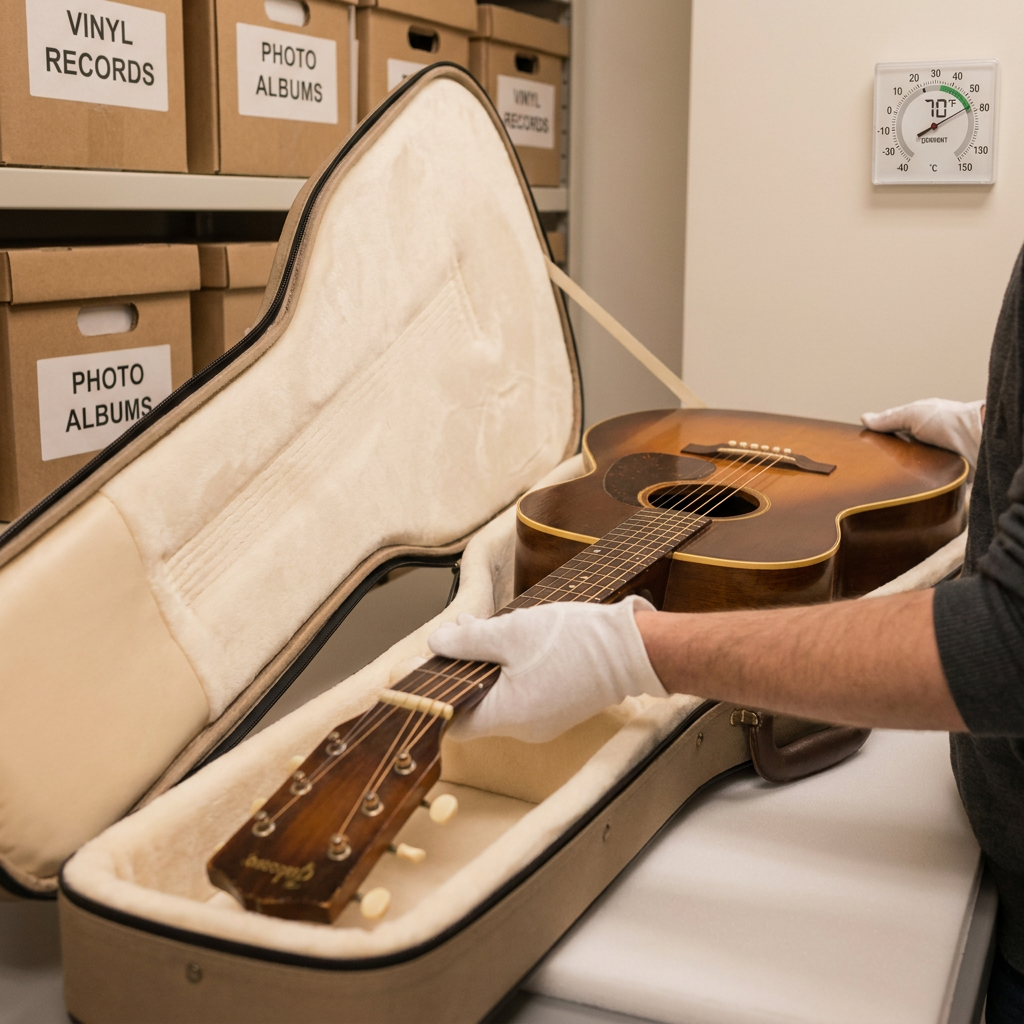
Guitars, pianos, violins, and other wooden instruments require stable humidity levels between 40-60%. Yamaha and other major manufacturers recommend climate controlled storage for any instrument valued over $500 or stored longer than two weeks.
Wine Collections
Wine requires consistent temperatures between 55-58°F for proper aging. Temperature fluctuations cause corks to expand and contract, allowing air into bottles and spoiling the wine. A single day at 90°F can permanently damage an entire collection.
Seasonal Clothing and Textiles
Wool, silk, and other natural fibers attract moths and mildew in humid conditions. Wedding dresses, fur coats, and vintage clothing require climate control to prevent yellowing, fabric deterioration, and pest damage.
Is Climate Controlled Storage Worth the Cost?
Climate controlled storage costs 20-50% more than standard units, translating to an additional $30-100 per month for most sizes. Whether this premium is worthwhile depends on three factors: what you are storing, how long you are storing it, and your local climate conditions.
According to U-Haul, climate control becomes essential when storing items worth more than $1,000 or when storage duration exceeds six months. The cost of replacing damaged furniture, electronics, or collectibles typically far exceeds the premium for climate control.
When Climate Control Is Worth It
- Storing items valued at $1,000 or more
- Storage duration exceeding 3-6 months
- Local temperatures regularly exceed 90°F or drop below 32°F
- Storing electronics, wood furniture, or documents
- Items have sentimental value that cannot be replaced
When Standard Storage Works Fine
- Storing metal tools, lawn equipment, or outdoor furniture
- Short-term storage under 30 days
- Items already designed for outdoor use
- Moderate climate with temperatures between 40-85°F year-round
Climate Controlled Storage Costs by Unit Size
Pricing varies significantly by location, with urban areas and regions with extreme climates commanding higher rates. The following table shows typical monthly costs across the United States based on 2026 market data.
| Unit Size | Climate Controlled | Standard | Best For |
|---|---|---|---|
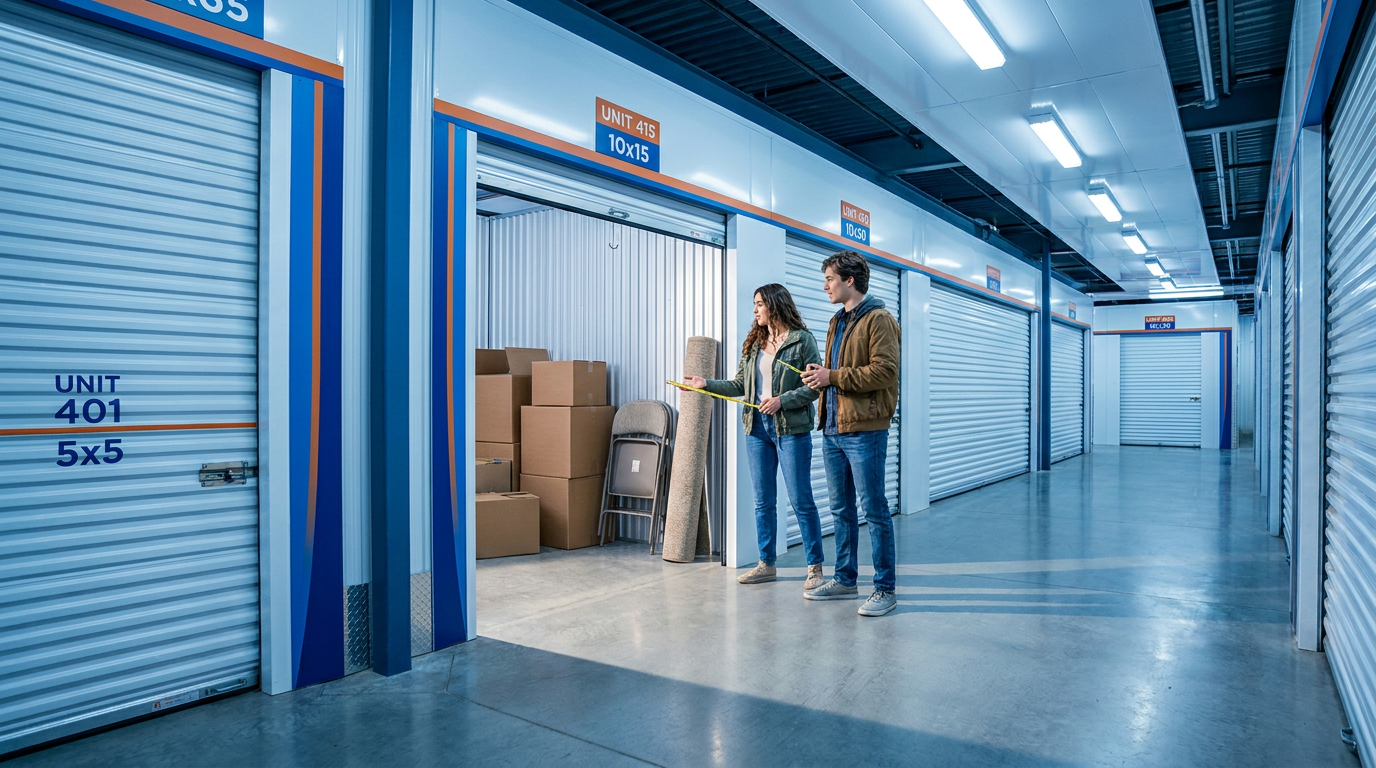
| 5x5 (25 sq ft) | $75-150/mo | $40-80/mo | Boxes, small items |
| 5x10 (50 sq ft) | $100-200/mo | $60-120/mo | Studio apartment |
| 10x10 (100 sq ft) | $150-350/mo | $90-200/mo | 1-bedroom home |
| 10x20 (200 sq ft) | $250-500/mo | $150-300/mo | 2-3 bedroom home |
| 10x30 (300 sq ft) | $350-700/mo | $200-400/mo | Large home, vehicles |
In mountain communities like Crested Butte, heated storage is standard at most facilities due to winter conditions. Slate River Storage offers climate controlled units ranging from 6x10 to 30x25, with pricing that reflects the specialized heating requirements of Colorado's high-altitude climate.
Is It Legal to Live in a Climate Controlled Storage Unit?
Living in any storage unit, including climate controlled units, is illegal throughout the United States. Storage facilities are zoned for commercial use and lack the safety features required for residential occupancy, including fire exits, smoke detectors rated for sleeping areas, and proper ventilation.
Beyond zoning violations, living in storage units poses serious health and safety risks. Most facilities prohibit overnight stays in their rental agreements, and violations result in immediate lease termination. Security cameras and access logs make unauthorized habitation easy to detect.
If you need temporary housing, contact local social services, shelters, or extended-stay hotels, which provide legal and safe accommodations.
Choosing a Climate Controlled Storage Facility
Not all climate controlled storage is equal. When evaluating facilities, verify the specific temperature range maintained and whether humidity control is included. Ask about backup power systems that keep HVAC running during outages.
Questions to Ask Before Renting
- What temperature range does the facility maintain?
- Is humidity controlled, and to what level?
- Does the facility have backup generators?
- How is temperature monitored and logged?
- What happens if the HVAC system fails?
- Is 24-hour access available?
Security features matter equally. Look for facilities with digital video surveillance, LED lighting, and controlled access systems. Many modern facilities offer online rental, bill pay, and account management for convenience. Review the frequently asked questions at prospective facilities to understand their policies before signing a lease.
Location and Access Considerations
Climate controlled units are typically located inside multi-story buildings with hallway access rather than exterior drive-up doors. This provides better insulation but may require using elevators or carts to move items. Some facilities, like those in the Gunnison Valley, offer drive-up climate controlled units that combine temperature protection with loading convenience.
Access hours vary by facility. While many offer 24-hour access with keypad or app-based entry, some restrict overnight access. Confirm access policies match your needs, especially if you anticipate frequent visits or work irregular hours.
Climate Control in Extreme Climates: Mountain Storage Considerations
In mountain communities like Crested Butte, where temperatures swing from 85°F summer days to negative 20°F winter nights, climate control is not optional for most stored items. The 105-degree annual temperature variance exceeds what any standard storage unit can safely accommodate.
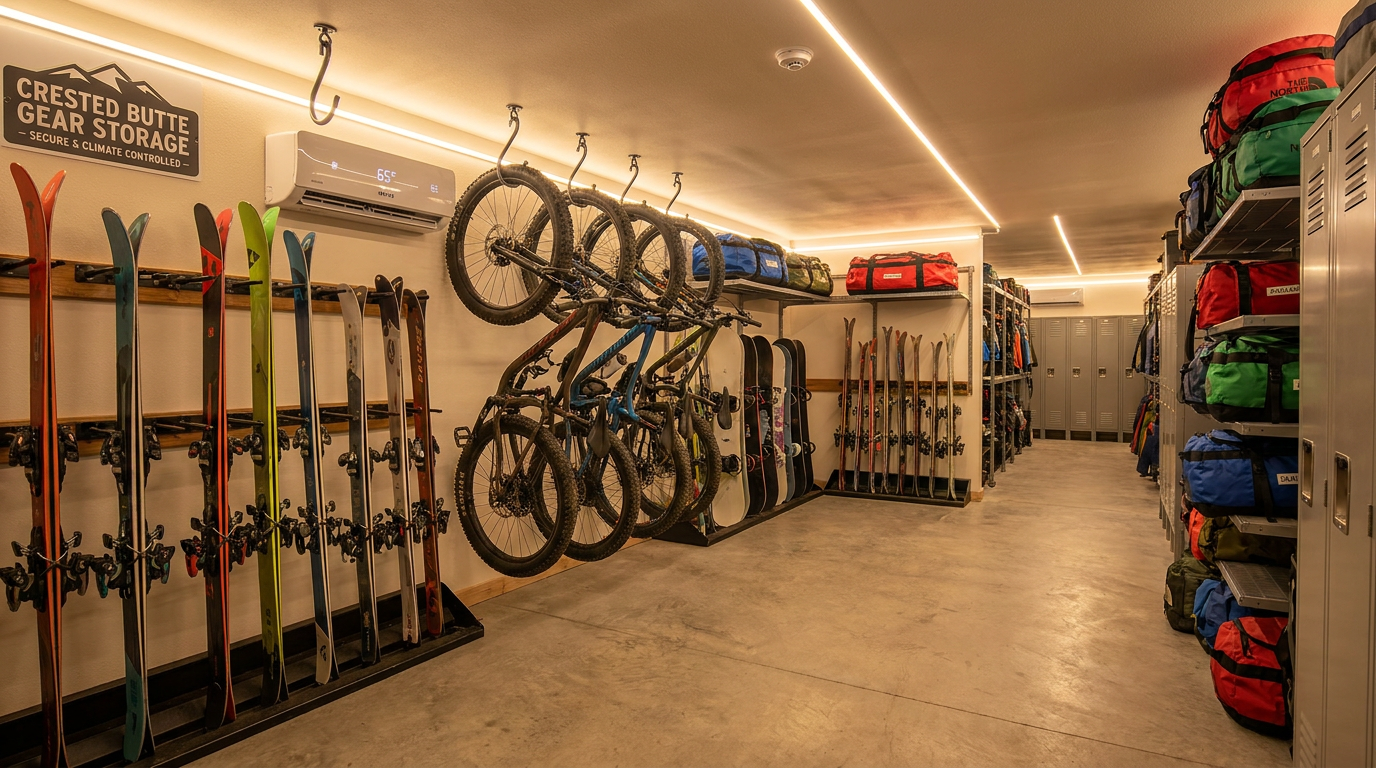
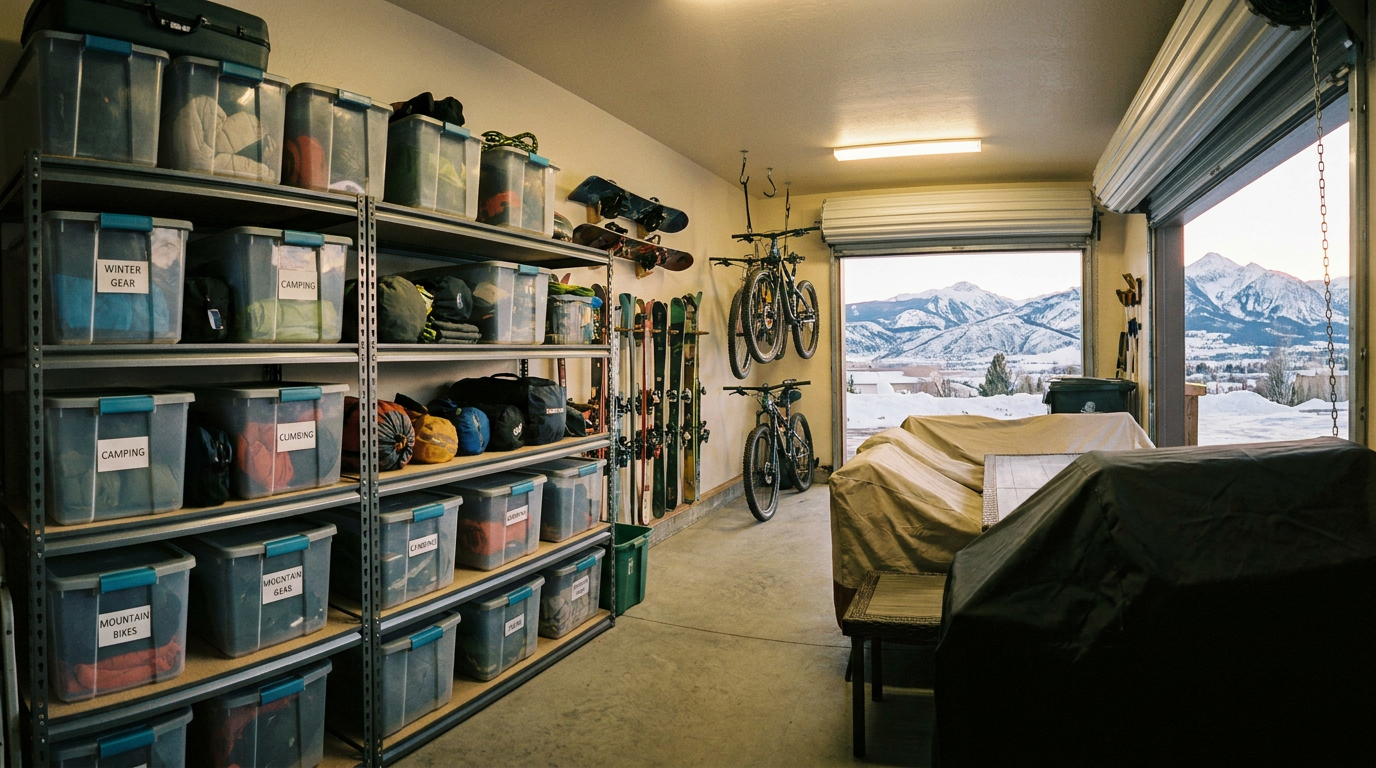
Heated storage in these regions runs continuously during winter months, maintaining interior temperatures above 50°F even during extended cold snaps. This protection is essential for anyone storing ski equipment, seasonal gear, or belongings during extended travel.
Local businesses, including ski shops, bike retailers, and vacation rental operators, rely on climate controlled storage to protect inventory worth tens of thousands of dollars. Business storage solutions in mountain towns typically include climate control as standard due to the harsh conditions.
Protecting Your Investment: Insurance and Best Practices
Climate control reduces but does not eliminate all storage risks. Supplement temperature protection with proper packing techniques and adequate insurance coverage.
Packing Tips for Climate Controlled Storage
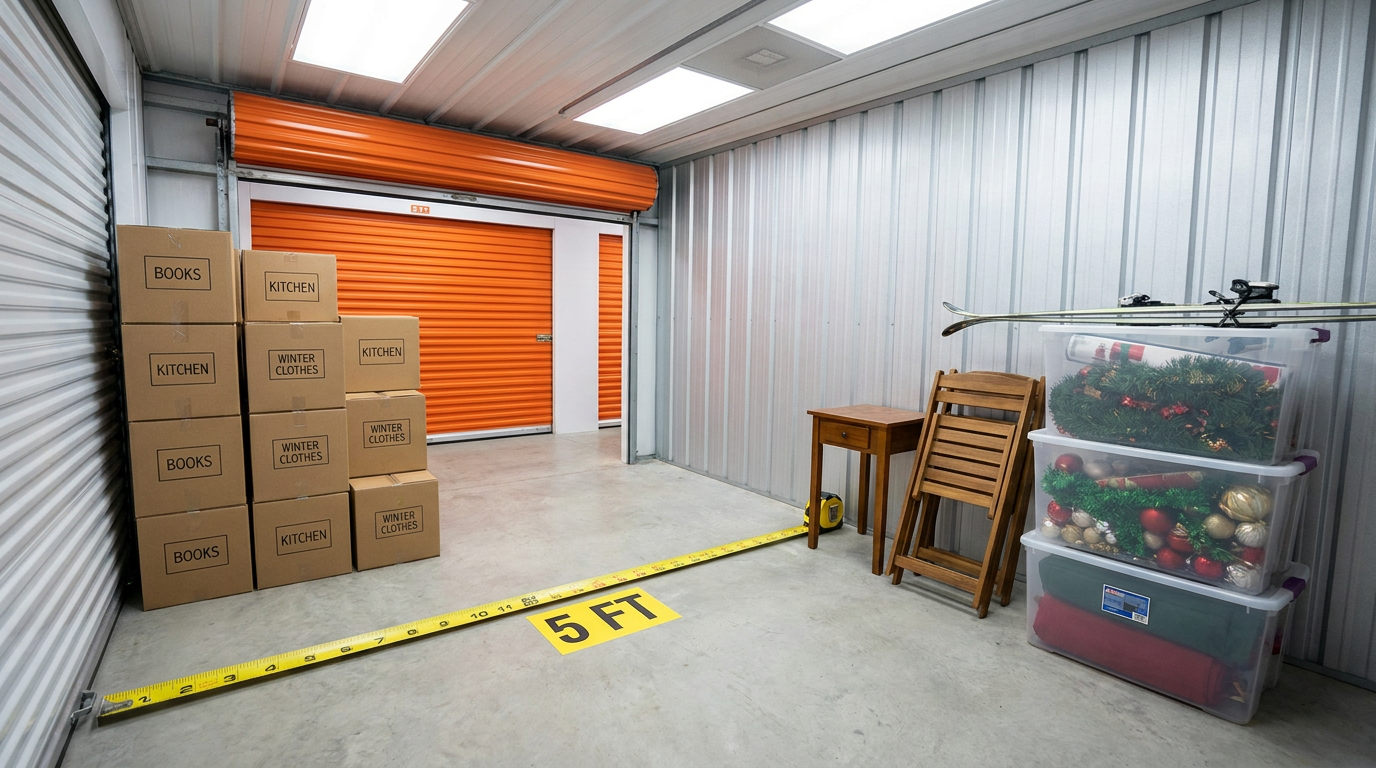
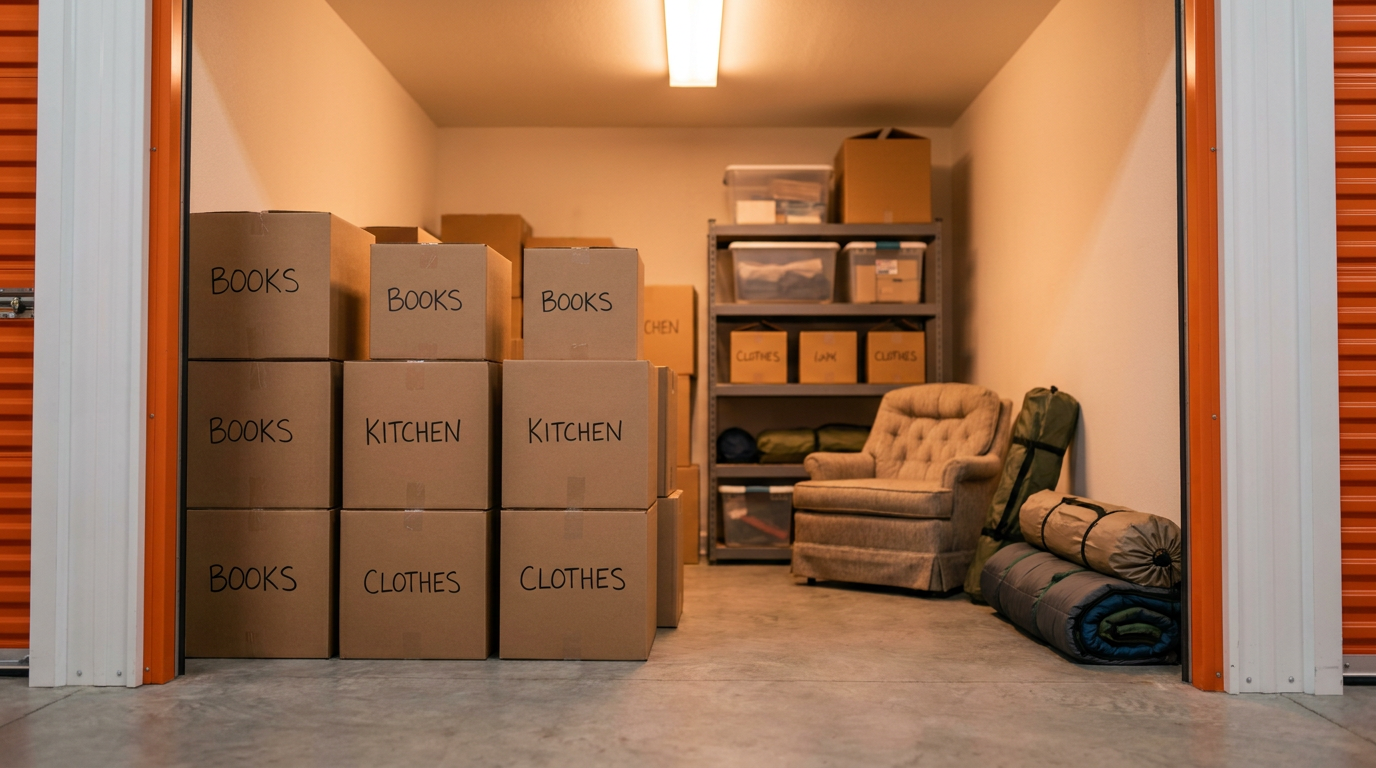
- Use plastic bins instead of cardboard for long-term storage
- Wrap furniture in breathable covers, not plastic wrap
- Store items on pallets or shelves, not directly on concrete floors
- Leave space between items and walls for air circulation
- Use silica gel packets in boxes containing electronics or documents
Standard renters or homeowners insurance often excludes items in storage. Consider a dedicated tenant protection plan that covers theft, fire, water damage, and other risks specific to stored belongings.
Frequently Asked Questions
What is the difference between climate controlled and regular storage units?
Climate controlled units use HVAC systems to maintain temperatures between 55-80°F year-round, while regular units have no temperature regulation. Climate controlled units cost 20-50% more but protect sensitive items from heat, cold, and humidity damage that causes warping, cracking, mold, and electronic failure.
How much does a 10x10 climate controlled storage unit cost per month?
A 10x10 climate controlled storage unit typically costs $150-350 per month, depending on location and amenities. Urban areas and regions with extreme climates charge higher rates. Standard 10x10 units without climate control range from $90-200 monthly.
Do I need climate controlled storage for furniture?
Wood and leather furniture benefit significantly from climate controlled storage, especially for periods exceeding three months. Temperature fluctuations cause wood to expand and contract, leading to warped surfaces, cracked finishes, and loose joints. Leather dries and cracks without humidity control.
What temperature is maintained in climate controlled storage?
Most climate controlled storage facilities maintain temperatures between 55 and 80 degrees Fahrenheit. Some facilities offer tighter ranges, such as 60-75°F, for customers storing wine or other temperature-sensitive items. Always confirm the specific range with your chosen facility.
Can I store a car in climate controlled storage?
Yes, climate controlled vehicle storage protects cars from temperature extremes that damage batteries, tires, and interior materials. This is particularly valuable for classic cars, convertibles, and vehicles stored for winter months. Expect to pay $200-500 monthly for climate controlled vehicle storage.
|